Published : 11 Oct 2026, 06:00 PM
Updated : 11 Oct 2026, 06:00 PM


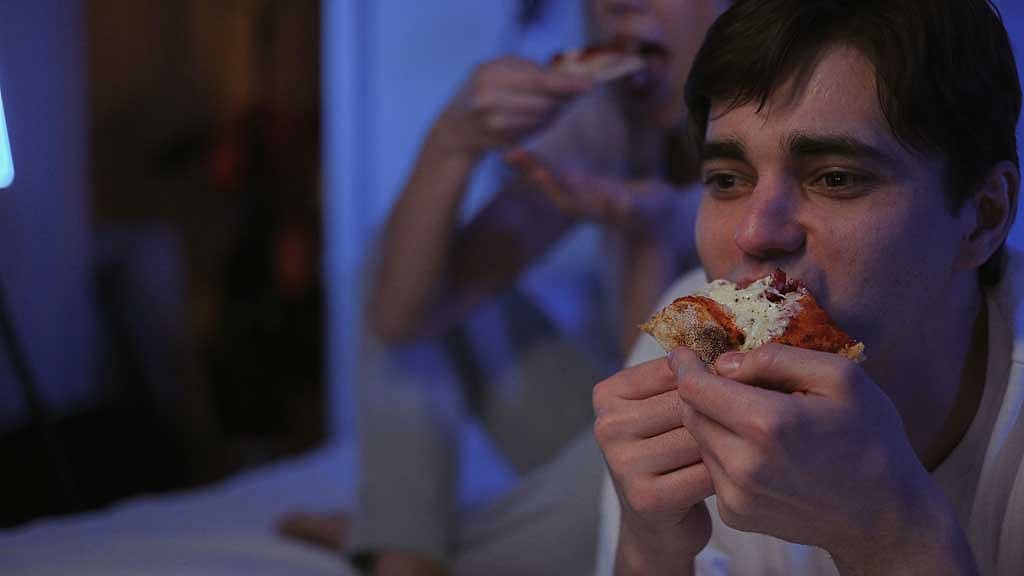
Late-night snacking may do more than disrupt sleep, with new research linking eating after dinner to a higher risk of cirrhosis and fatty liver disease, The Independent reports.
The study, published on Friday, analysed nearly 200,000 US adults and found that eating after dinner was associated with a 20 to 30 percent higher risk of cirrhosis and fatty liver disease, conditions that can sometimes lead to cancer.
The Independent reported that researchers believe the association may be linked to the body’s circadian rhythm, its internal clock that regulates sleep and other biological processes.
Andrew McHill, an associate professor and sleep and circadian physiologist at Oregon Health & Science University, said the timing of activities such as eating, sleeping and exercising could have an important bearing on health.
Eating at night may also reduce the body’s ability to process food efficiently.
The liver is closely connected to the body’s circadian rhythms, said lead author Robert Wilechansky, a hepatologist at Oregon Health & Science University, according to the publication.
Wilechansky said researchers wanted to determine whether changing meal timing could improve health without altering the types of food people eat.
The Independent noted that previous studies have also linked sugary drinks and ultra-processed snacks, including cookies and crisps, to liver disease.
Researchers are continuing to investigate whether changes in eating patterns can reduce the risk.
Federal data show that chronic liver disease causes more than 52,000 deaths in the United States each year.
Symptoms of cirrhosis can include fatigue, loss of appetite, reduced sex drive, jaundice, itchy skin, nausea and vomiting. However, some forms of liver disease may not cause noticeable symptoms.