


Published : 22 Mar 2016, 02:29 PM
Updated : 11 Apr 2022, 09:45 PM


State Minister for Health Zahid Maleque told journalists on Tuesday that they found the presence of the virus in an old blood sample in Chittagong.
“He is 67-year-old. He is doing fine,” he said at the secretariat after a meeting on preparations to fight dengue.
On Mar 15, bdnews24.com, citing a government source, reported existence of Zika virus.
The mosquito-borne virus has caused global concern for its link with microcephaly in which a baby is born with a small head and underdeveloped brain.
The government in February, after the WHO’s emergency call on Zika virus, decided to test old blood samples stored at the IEDCR again to exclude the presence of the virus in Bangladesh.
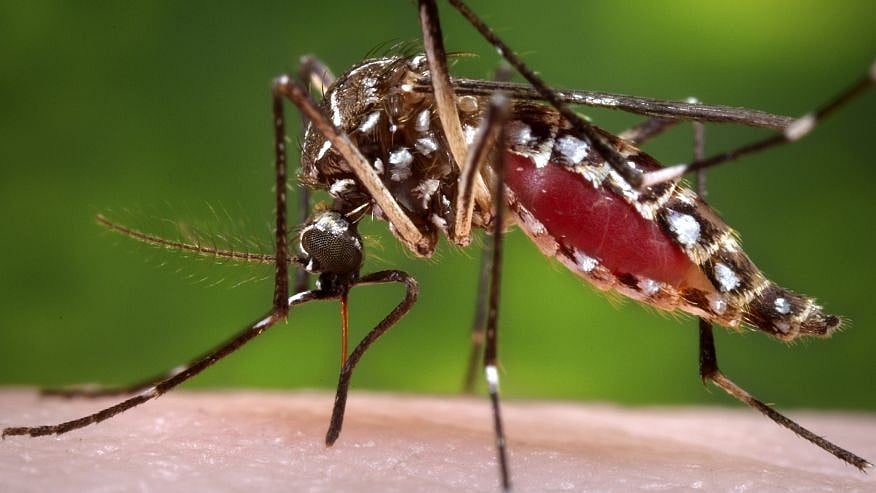
Those samples had earlier tested negative for dengue and chikungunya, the two prevalent diseases in Bangladesh, caused by the Aedes Aegypti mosquito.
As this same mosquito was causing Zika virus infection and the WHO had declared it an international public health emergency, the government took the decision to test those negative samples again for Zika virus.
IEDCR Director Prof Mahmudur Rahman told bdnews24.com that they had tested 101 samples randomly selected from the 1070 samples they had earlier collected from their four surveillance sites – two in Dhaka, one in Khulna and the other in Chittagong.
The IEDCR team later traced the contacts of the person detected positive in Chittagong.
“We did not find any other cases,” Prof Rahman said. “We even did not find any unusual births while tracing this ”.
He said there was nothing to panic at this moment, but he stressed on mosquito control which is the only tool to prevent and fight off Zika.
He, however, could not say how the virus came to Bangladesh. “May be somebody brought it while travelling. But it is not possible now to investigate how it came”.
“We should focus on mosquito-control,” he said. “This is the key”.
This vector control would mostly depend on the individual houses, as the Aedes mosquito breeds in fresh water inside the houses and adjacent areas.
The WHO has urged countries to “strengthen surveillance and take preventive measures” against the disease which is linked to thousands of suspected cases of birth defects, microcephaly, in Brazil.
Brazil, which is grappling to contain the spread of the virus , has even passed a law allowing the mosquito control authorities to enter the private houses and spray insecticides, if needed.
The Zika virus was first discovered in Uganda in 1947. The most common symptoms are fever, rash, joint pain, and conjunctivitis.
The illness is usually mild with the symptoms lasting a week. In 80 percent of the cases, symptoms do not appear. There is no vaccine for the disease.
The disease also does not spread person to person through respiratory droplets.
Also Read:
Zika: A cause of concern for Bangladesh?












