Published : 26 Oct 2026, 01:14 AM
Updated : 26 Oct 2026, 01:14 AM


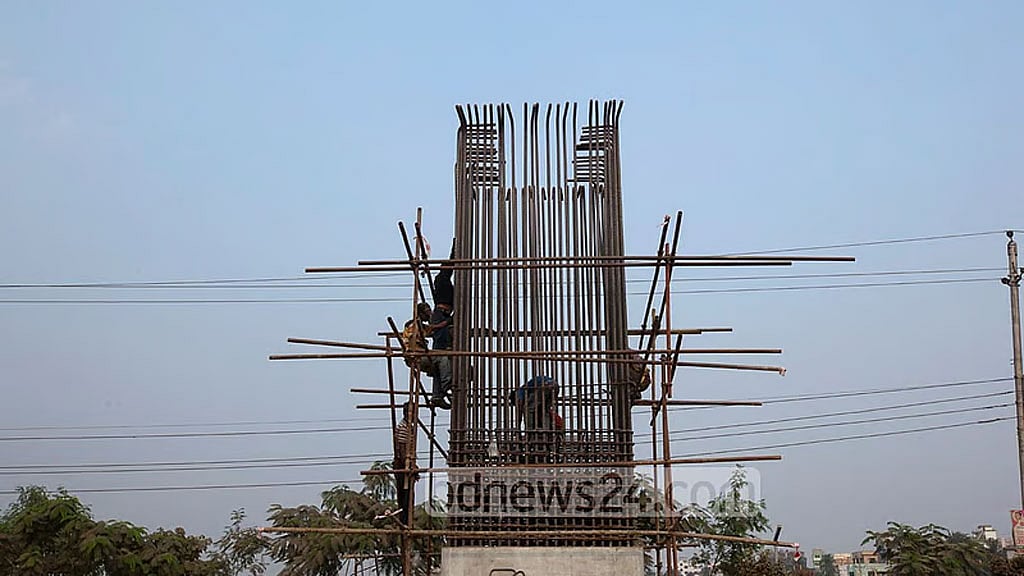
The government has implemented just 3.89 percent of its Annual Development Programme (ADP) in the first three months of the 2026-27 fiscal year, marking the lowest rate recorded in Bangladesh's history for a three-month period.
Government ministries and departments spent Tk 120.18 billion during July-September, according to an updated report published on Sunday by the Implementation Monitoring and Evaluation Division (IMED) of the Ministry of Planning.
The implementation rate was 5.09 percent in the same period of the previous fiscal year, when spending totalled Tk 121.58 billion.
The slowdown in development activities that followed the mass uprising in July 2024 has continued amid political changes, deteriorating law and order situation, and administrative reshuffles.
Unlike previous election cycles, when development activities often accelerated before polls, no such significant momentum was seen before the elections under the interim government.
Eight months after the BNP-led government headed by Chairman Tarique Rahman assumed office, development spending remains sluggish.
In September, the third month of the current fiscal year, ministries and agencies spent Tk 63.08 billion, equivalent to 2.04 percent of the ADP allocation.
Spending stood at nearly Tk 36 billion, or 1.16 percent, in August and Tk 21 billion, or 0.69 percent, in July.
The government allocated Tk 3,089 billion for 1,172 development projects in the 2026-27 fiscal year.
These include 986 investment projects, 23 feasibility studies, 109 technical assistance projects, nine lump-sum development assistance allocations, and 45 projects funded through internal resources.
During July-September of the 2024-25 fiscal year, spending reached Tk 132 billion, or 4.75 percent of the programme.
In the same period of 2023-24, expenditure stood at Tk 206 billion, or 7.5 percent, while spending in July-September of 2022-23 reached around Tk 219 billion, equivalent to 8.55 percent.
ADP spending is generally lower at the beginning of a fiscal year as ministries and divisions undertake preparatory work and draw up action plans. Expenditure usually increases in subsequent months.
However, the IMED report shows that both the implementation rate and spending during the first quarter of the current fiscal year were the lowest on record.
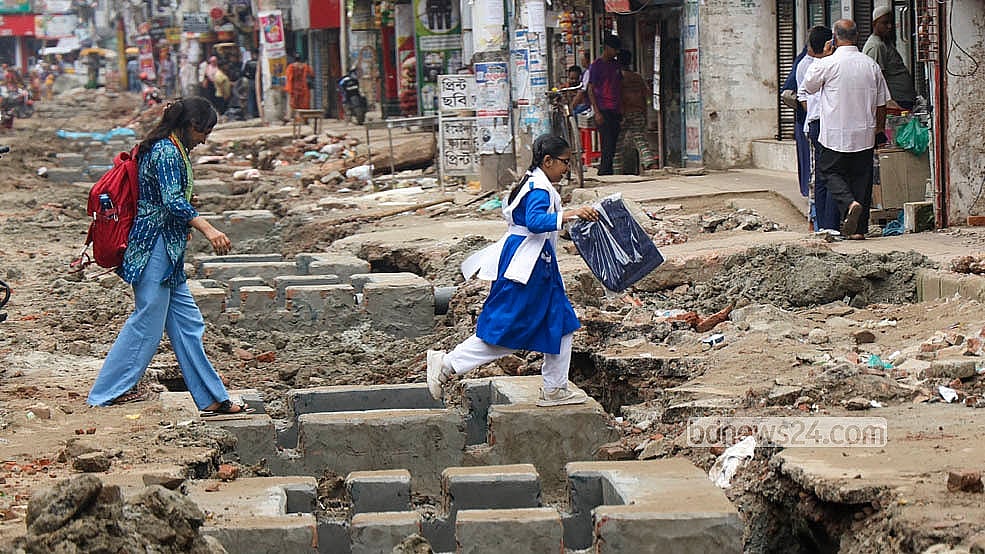
Health Services Division Spends Least
The 15 ministries and divisions receiving the highest ADP allocations recorded an average implementation rate of 6.62 percent during July-September, the IMED report said.
Together, they account for 52.90 percent of the total ADP allocation of Tk 3,089.25 billion.
The Ministry of Primary and Mass Education recorded the highest implementation rate among them, spending 17.38 percent of its allocation. The Secondary and Higher Education Division followed at 13.07 percent, while the Local Government Division spent 12.42 percent.
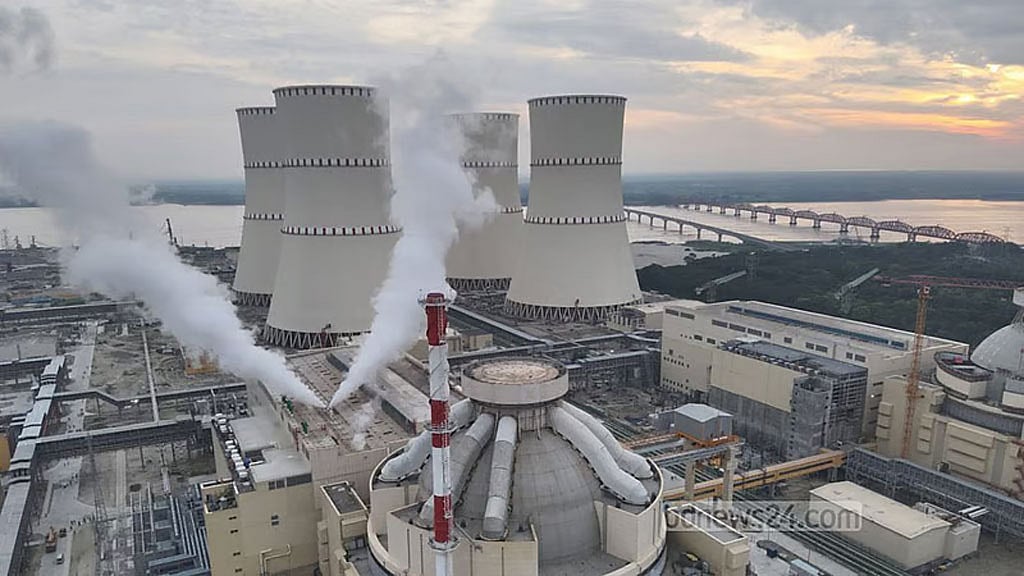
The Power Division spent 6.96 percent of its allocation, followed by the Ministry of Housing and Public Works at 6.12 percent and the Ministry of Water Resources at 6.04 percent.
The Energy and Mineral Resources Division spent 5.46 percent, the Ministry of Agriculture 4.66 percent, the Road Transport and Highways Division 4.09 percent and the Technical and Madrasah Education Division 4.03 percent.
The Ministry of Science and Technology spent 2.27 percent of its allocation, while the Railways Division spent 2.06 percent and the Ministry of Shipping 2.05 percent.
The Health Services Division recorded the lowest implementation rate at 1.78 percent.
In the 2025-26 fiscal year, which ended on Jun 30, the government spent Tk 1,410.71 billion against an ADP allocation of Tk 2,386.96 billion for 1,198 development projects.
The implementation rate was 67.52 percent, the lowest recorded to date.