


Published : 16 Dec 2015, 12:17 AM
Updated : 19 Oct 2022, 07:06 PM


The global lender had withdrawn from the project alleging corruption.
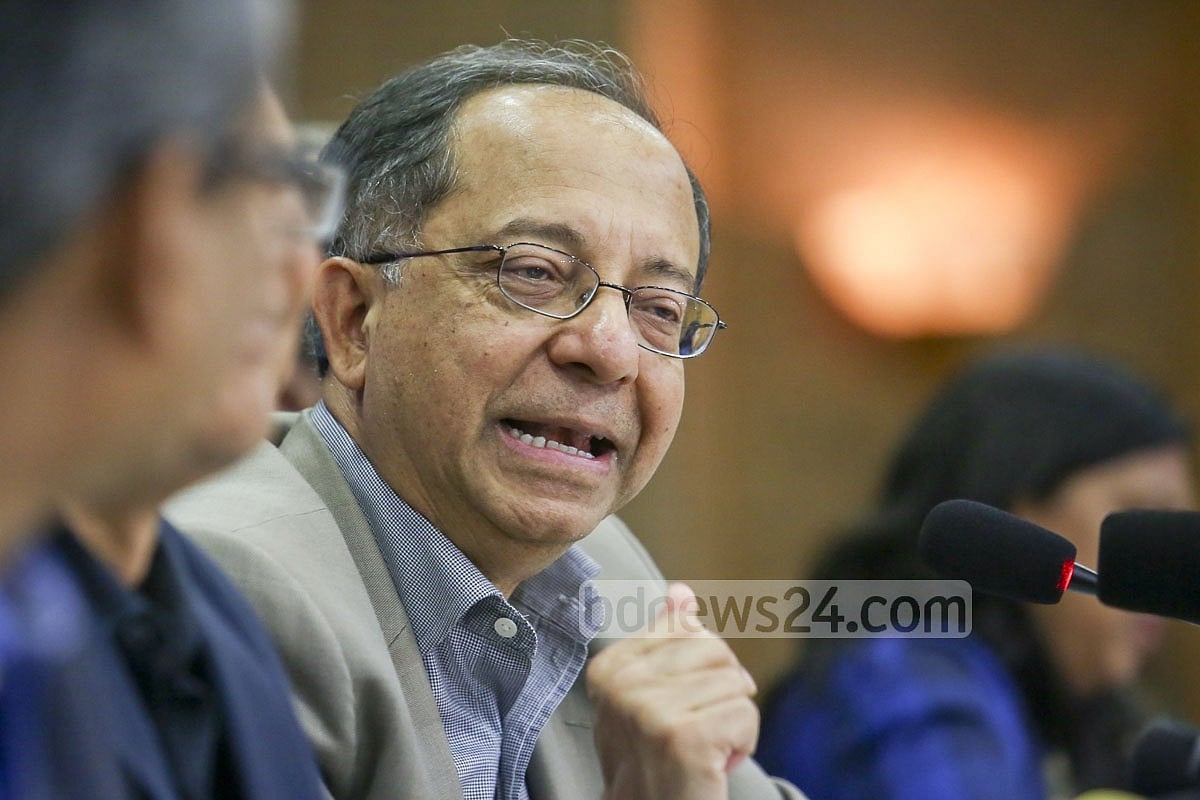
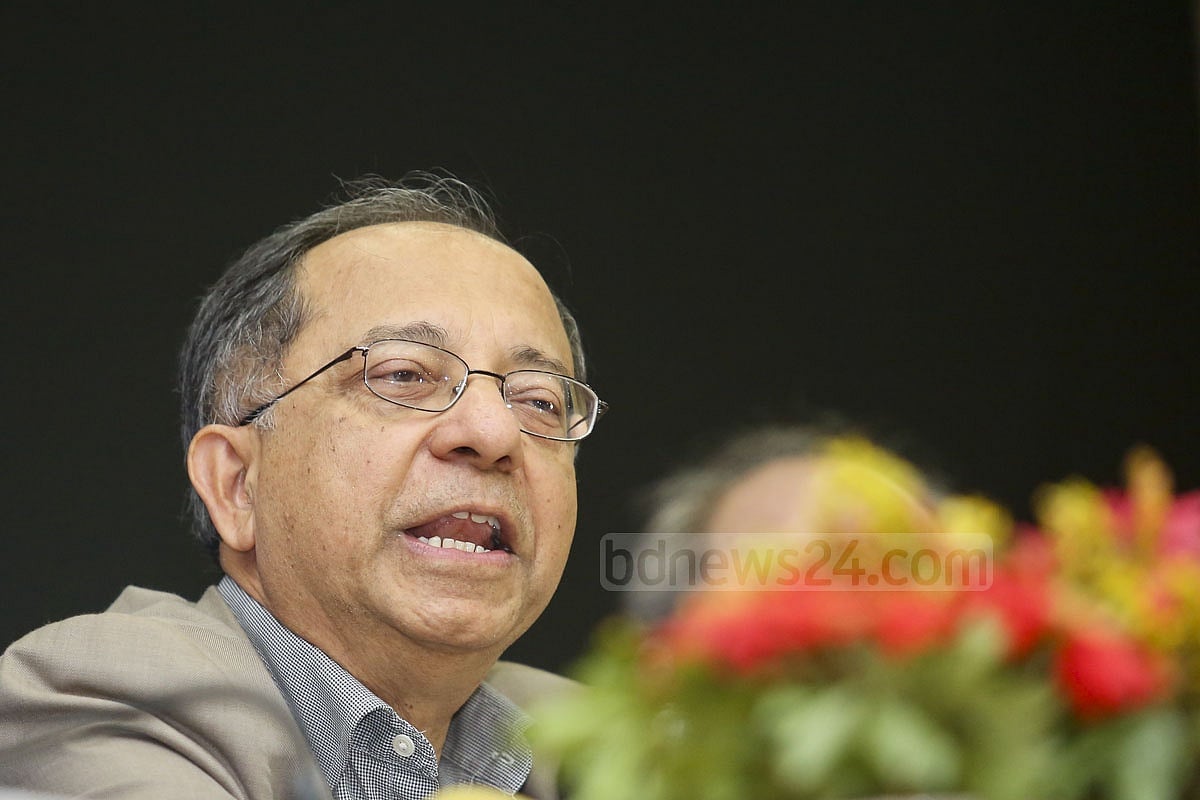
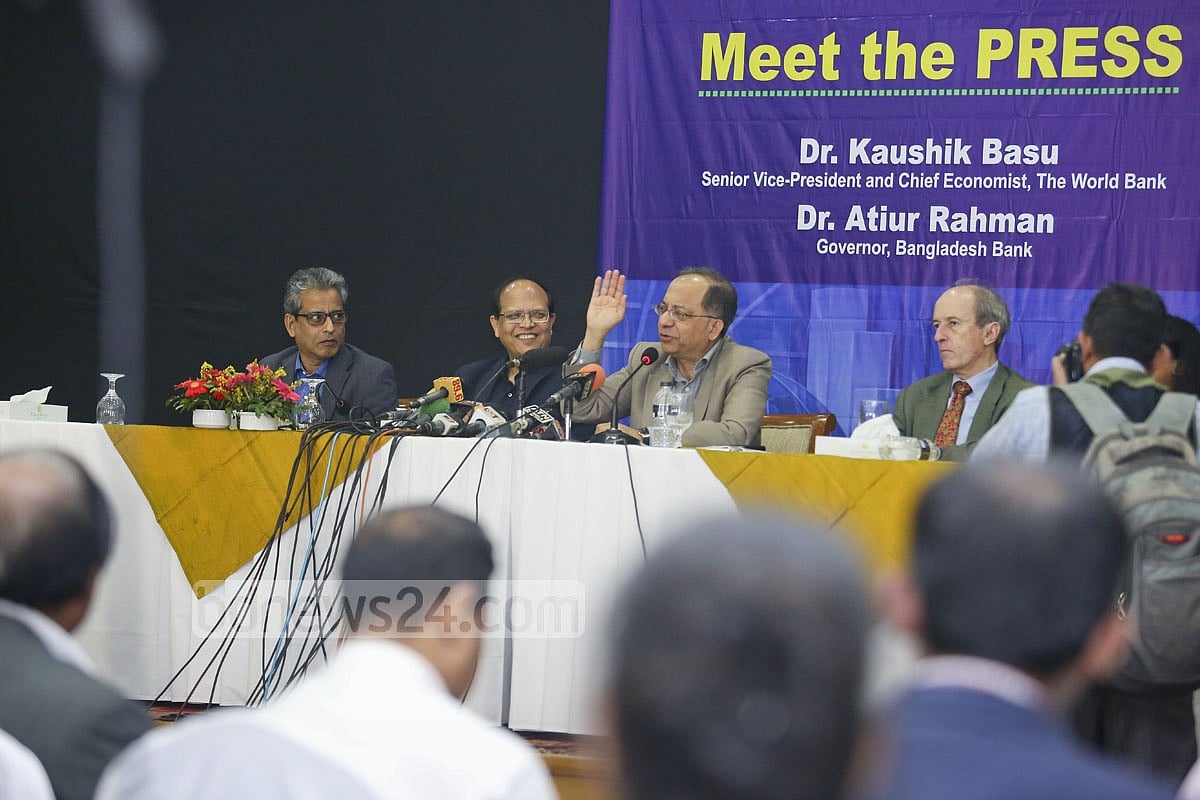
He said at a press conference in Dhaka on Tuesday, “We all know it’s not good history. Now we hail whatever is happening. One thing that should be kept in mind is that good news sometimes emerges from bad history.”
Basu addressed the press meet at the Bangabandhu International Conference Centre, wrapping up his four-day Bangladesh visit.
The World Bank had entered into an agreement with the Bangladesh government to provide $1.2 billion of the estimated $2.91 billion cost of the 6-kilometre bridge but it pulled out of the project alleging ‘conspiracy for corruption’.
The dispute with the World Bank prompted the government to take initiatives to implement the country’s biggest-ever infrastructure project with its own financing.
Referring to his visits to several places and conversations with many people, he said, “Bangladesh has actually advanced more than is shown statistically.”
Talking about his visit to a readymade garment factory outside Dhaka, the World Bank official said the working environment there was same as in factories in many developed countries.
To a question, he said the global lender would work with Bangladesh for the development of different sectors including infrastructure.
“I’m not always an optimistic man. I know that many economists and analysts of Bangladesh make negative comments on its economy. That’s good. But everyone must trust (in the economy) considering how far it has gone.”













