


Published : 07 Aug 2022, 11:42 PM
Updated : 07 Aug 2022, 11:42 PM


Compared to many developed countries, Bangladesh performed much better in macroeconomic policy response during the COVID-19 pandemic, but many of the problems caused by the crisis are still there, according to a study.
Iyanatul (Yan) Islam, adjunct professor at Griffith Asia Institute, Australia, published the findings in a lecture titled "Macro-policy Responses to COVID-19 in Emerging Economies: Recent Outcomes and Evolving Challenges".
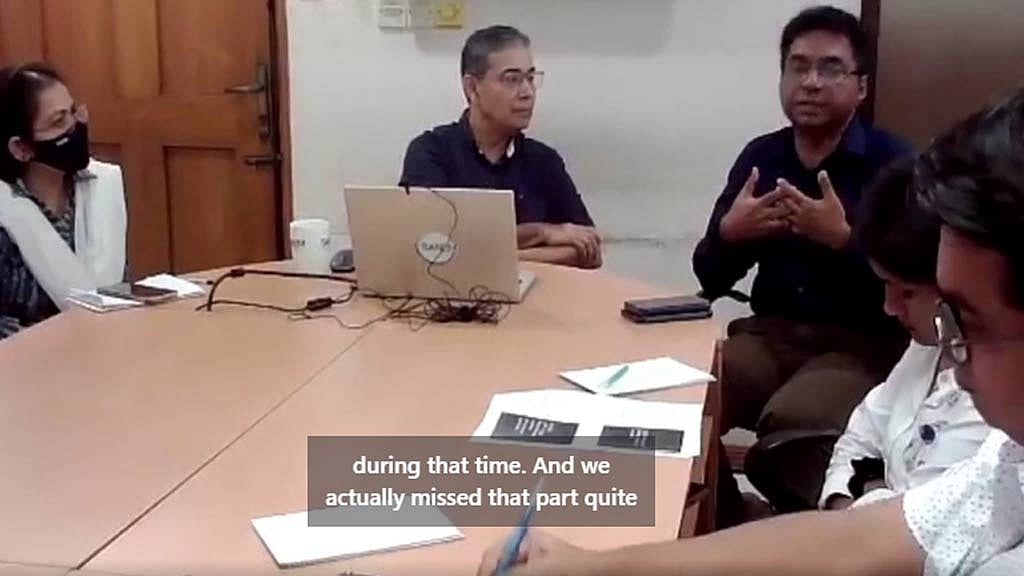
The South Asian Network on Economic Modeling, or SANEM, co-hosted the lecture session at its headquarters in Dhaka on Sunday.
In his presentation, Prof Yan stated that COVID-19 was among the 10 worst pandemics in human history dating back to 165 AD.
Besides claiming more than 6.4 million lives globally, COVID-19 caused a “short – but sharp – recession in 2020 which was the worst since 1980”, he said.
“The data shows that Bangladesh has done better than many developed countries in terms of macro-policy response during the COVID period. Unprecedented utilisation of core macro-policy instruments to respond to the COVID-19 recession,” he said, adding that the vaccination programme was better in Bangladesh even than that in the US.
He also said that Bangladesh is still in a better position economically than its neighbouring countries, especially, in comparison to Pakistan and Sri Lanka.
“Bangladesh has a lot to learn from Sri Lanka. Avoiding nepotism, especially in the governance of the country. Because there were more than 40 members of the same family in the Sri Lankan government. As a result, when they have done corruption, various bodies of the government have to close their eyes and remain helpless,” he said.
SANEM Executive Director Professor Dr Selim Raihan said many of the challenges created by COVID-19 still exist around the world. “Yan has beautifully highlighted these challenges in the global and Bangladeshi contexts. I find his statements and findings on emerging and developing countries very clear and to the point.”
Dhaka University Professor Dr Sayema Haque Bidisha moderated the lecture session. “We've undergone significant transformation in the past two years as a result of COVID. The actual income and purchasing power have now been so severely impacted by COVID-19 that people are seriously worried about inflation.”
Participants from Bangladesh, Nepal, Bhutan, India and Sri Lanka attended the event.











