


Published : 08 Jun 2022, 03:16 AM
Updated : 25 Oct 2022, 09:54 AM


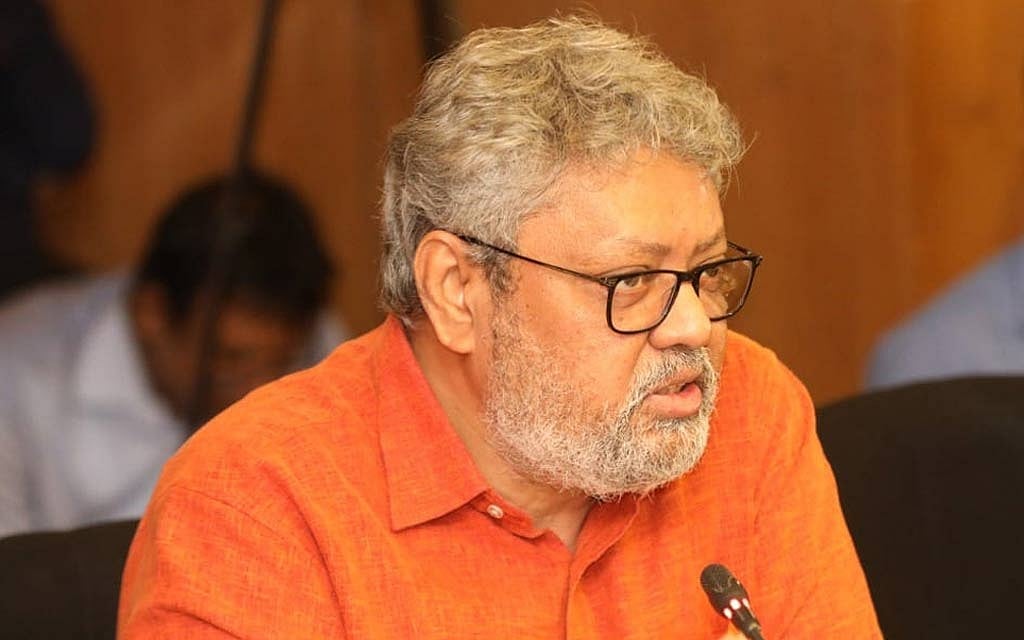
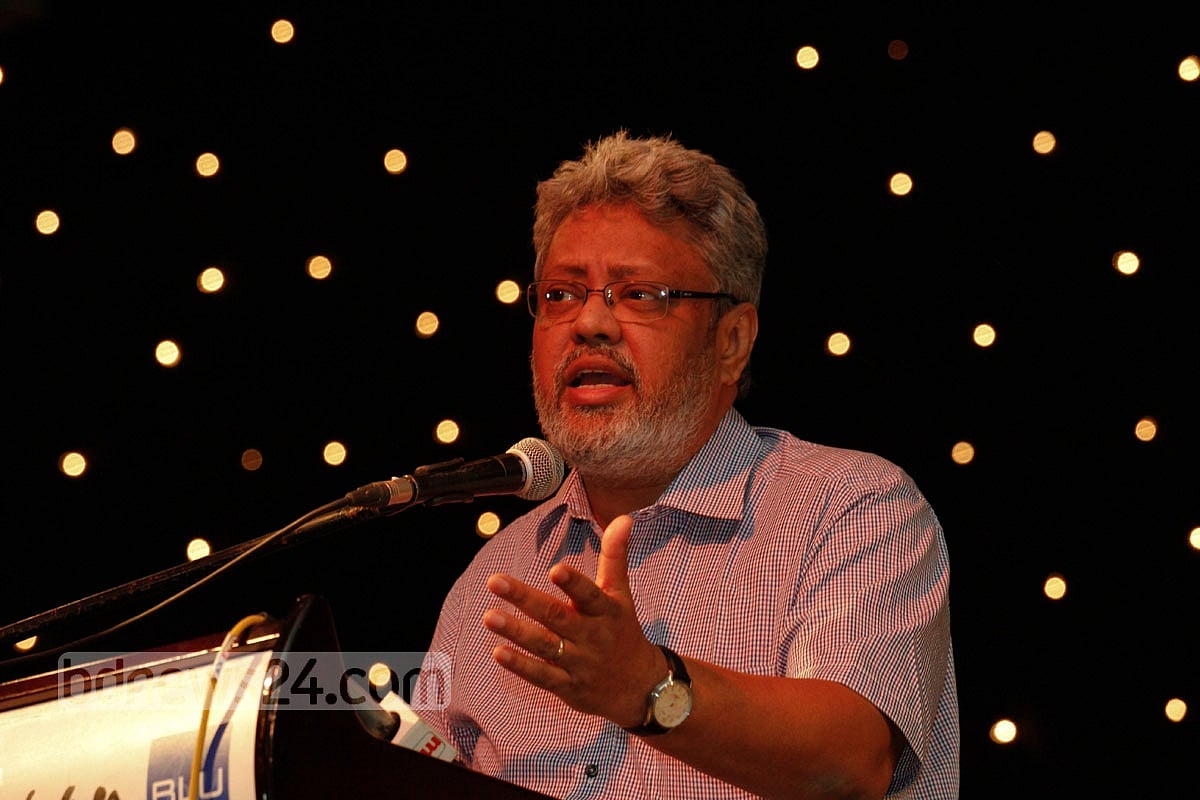
In an interview with bdnews24.com ahead of the national budget for fiscal year 2022-23, the researcher said the government should think about how to help both the poor and the rich.
“The government should set priority on who to help and how with limited resources. Some need food while some need policy support,” the head of the government think tank said.
He proposed raising allowances across the board in the budget. “The Tk 500 we had earlier is not Tk 500 anymore,” he said, pointing to the rising prices of daily necessities.
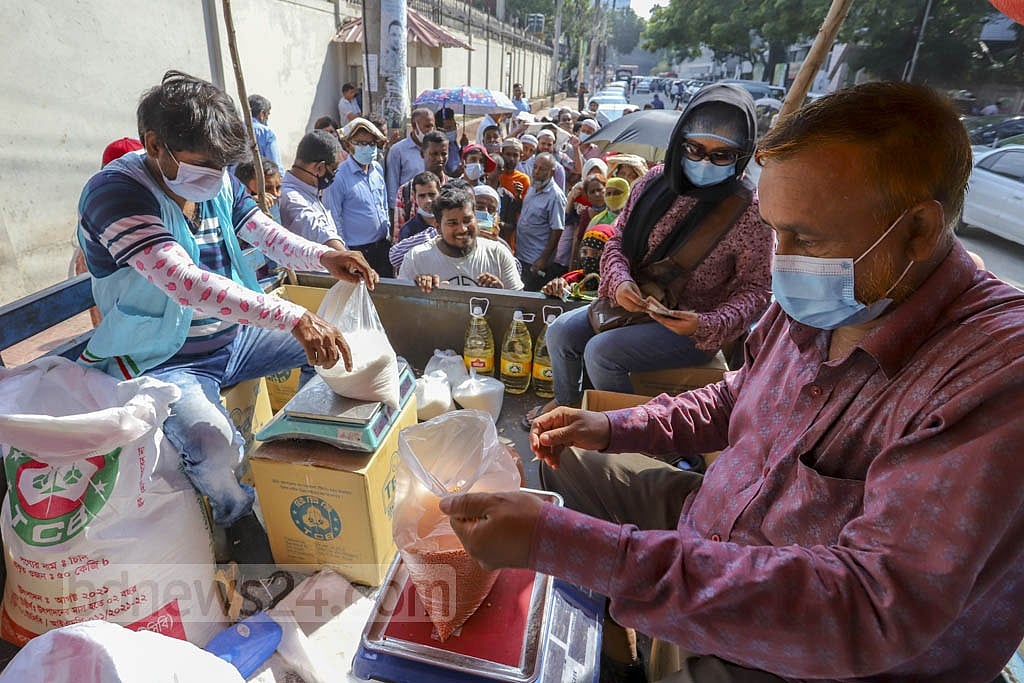
“Rice is 50 percent of the food marginal and middle-income groups eat. A big portion of their income goes to food. When inflation happens, they cut down on food. They will eat less. So, they must be bought under the social safety net.”
File Photo
High import costs, rise in prices of commodities and the dollar crisis have put pressure on Bangladesh’s macroeconomics while the flow of credit to the private sector grew by 12.5 percent and the growth will be 6 to 7 percent in the next fiscal year, said Binayak.
‘LET THE EXCHANGE RATE FLOAT’
He backed the Bangladesh Bank move to devalue the taka against the dollar, saying it will encourage expatriate Bangladeshis to send remittances through legal channels.
Binayak, however, thinks the Bangladesh Bank was right to reintroduce the floating taka-dollar exchange rate based on demand and supply.
“If you try to control the rate, Hundi [illegal remittance channel] will increase. Although foreign currencies will keep coming through Hundi and contribute to job creation through investment, the Bangladesh Bank won’t get the dollars. The crisis will persist and the exchange rate will keep rising. Import costs will also rise.”
He believes now the taka-dollar exchange rate will stabilise around Tk 96-98 per dollar.
‘GROWTH TO SLOW DOWN, BUT ONLY TEMPORARILY’
The ever-optimistic former senior economist of the World Bank strongly believes Bangladesh’s economy has the tenacity to bounce back from the ongoing sluggishness it is currently facing due to the war in Ukraine and soaring prices of essentials globally, if careful and strategic measures are set in place.
“I don’t think there is anything to worry about. The economic growth has slowed down a bit, and perhaps the first half of the next fiscal will remain the same. But if we're careful enough, the economy will be able to pick up the pace of growth in the next fiscal,” Binayak said.
File Photo
“I'm not expecting much from the upcoming fiscal year since everyone is under pressure. My GDP prediction is 6.5 percent to 7 percent, maximum. The policymakers must put mechanisms in place to increase the tax to GDP ratio as much as they can.”
The director general of the BIDS has also suggested the Bangladesh Bank come up with a “moderately progressive” monetary policy for the upcoming fiscal instead of a regressive one, which Binayak believes will support the export-import sectors, and investment and will create new jobs.
‘TIME FOR A REGION-BASED DEVELOPMENT PLAN’
Binayak Sen suggested it is high time for the policymakers to consider a region-based development plan.
He does not believe every region in Bangladesh is developed- demographically, socially, economically and educationally- equally, and he wants the policymakers to at least consider including holistic plans to change that in the next national budget.
“If we look at our divisions, there are differences in qualities of soil, agricultural growth, movement, culture, lifestyle, and demography. The identical establishment can’t be built on flat lands in central Bangladesh and the marshlands in the northeastern region.
"The number of people under the poverty line is much higher in the northern region and the coastal area compared with the figure in Sylhet and Chattogram… only local administrations, like municipalities and Union Parishads, are aware of such facts. It is high time to take in their input and make guidelines to craft region-based development plans,” he said.
‘DECENTRALISATION IS KEY'
Emphasising that fast railway service is the key to removing the load on Dhaka to some extent and disseminating the metropolis-based development trend to the countryside, Binayak Sen said the national budget should focus heavily on the development of railway services.
“A fast railway service can connect regions together. If I could travel to different cities like Narayanganj, Cumilla, Barishal and Tangail within an hour, why would I choose to live in Dhaka, tell me?”













