Published : 07 Oct 2025, 06:33 PM
Updated : 21 Aug 2026, 02:33 PM


The World Bank has lifted its growth outlook for the region encompassing the Middle East, North Africa, Afghanistan and Pakistan for 2025, though trimmed its forecast for next year, citing conflict and lower oil production in Iran and Libya.
The Washington-based lender said it now expected regional GDP growth across MENAAP economies to average 2.8% this year, up from 2.6% forecast in its April growth outlook. This was driven by Gulf states seeing a boost in economic activity following a faster than anticipated phasing out of oil productions cuts and growth from the non-oil sector.
"The outlook has also improved in oil importing countries, driven by private consumption and investment, and a rebound in agriculture and tourism," the World Bank wrote in its report released on Tuesday.
However, developing oil exporters are expected to suffer a significant slowdown in the wake of conflict disruptions and downward adjustments in oil production, the lender said.
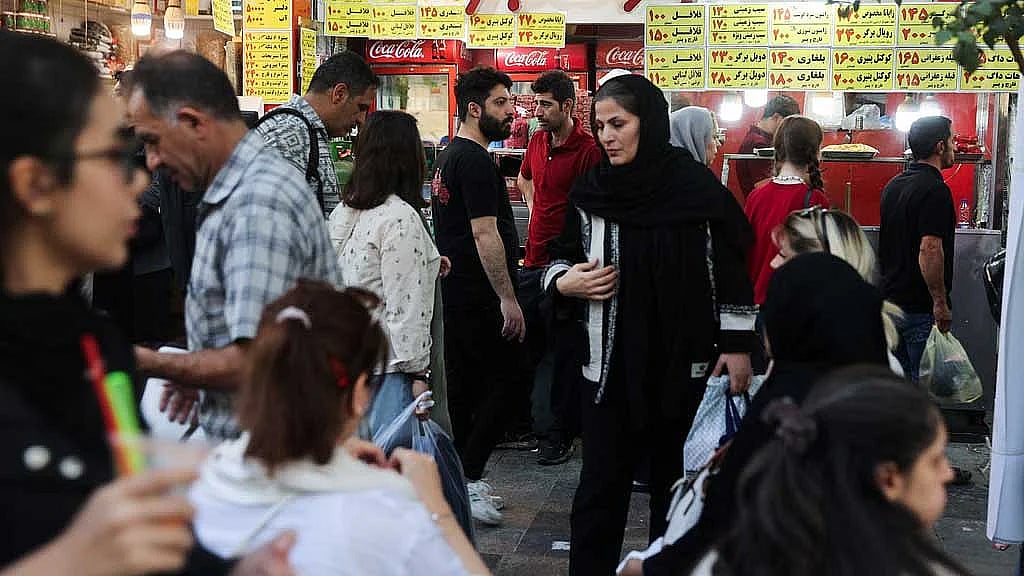
Iran's economy was expected to contract 1.7% this year and shrink 2.8% next year, a sharp reversal from the 0.7% expansion the bank had predicted for 2026 in April.
This was "reflecting a contraction in both oil exports and non-oil activity amid tighter sanctions, including the reimposition of UN sanctions, and disruption following the conflict in June," the bank said.
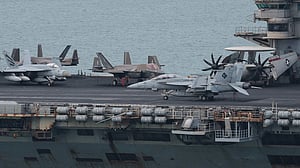
In September, the United Nations reinstated an arms embargo and other sanctions on Iran over its nuclear programme following a process triggered by European powers that Tehran has warned will be met with a harsh response. The latest curbs came just months after Israel and the US bombed Iranian nuclear sites.
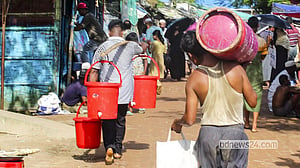
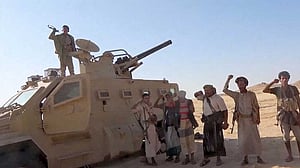
But the region as a whole was scarred by the fallout of conflicts in Syria, Yemen, Lebanon, the West Bank and Gaza as well as Afghanistan, which have driven humanitarian crises, mass displacement, and sharp economic contractions.
"Neighbouring countries also suffer negative spillover effects from conflict, including economic disruptions, refugee flows, and heightened insecurity," the report said.