Published : 09 Nov 2022, 03:45 PM
Updated : 09 Nov 2022, 08:47 PM


Bangladesh has reached a staff-level agreement with the International Monetary Fund for $4.5 billion in loans that officials expect will help the country stabilise its economy and prevent a crisis.
The 42-month arrangement includes $3.2 billion under the extended credit facility and $1.3 billion under the Resilience and Sustainability Facility (RSF).
The agreement is subject to IMF management approval and the executive board’s endorsement, which is expected in the coming weeks, according to the multilateral lending agency.
Some of the key elements of this plan are creating additional fiscal space, containing inflation and modernising the monetary policy framework, strengthening the financial sector, boosting growth potential, and building climate resilience.
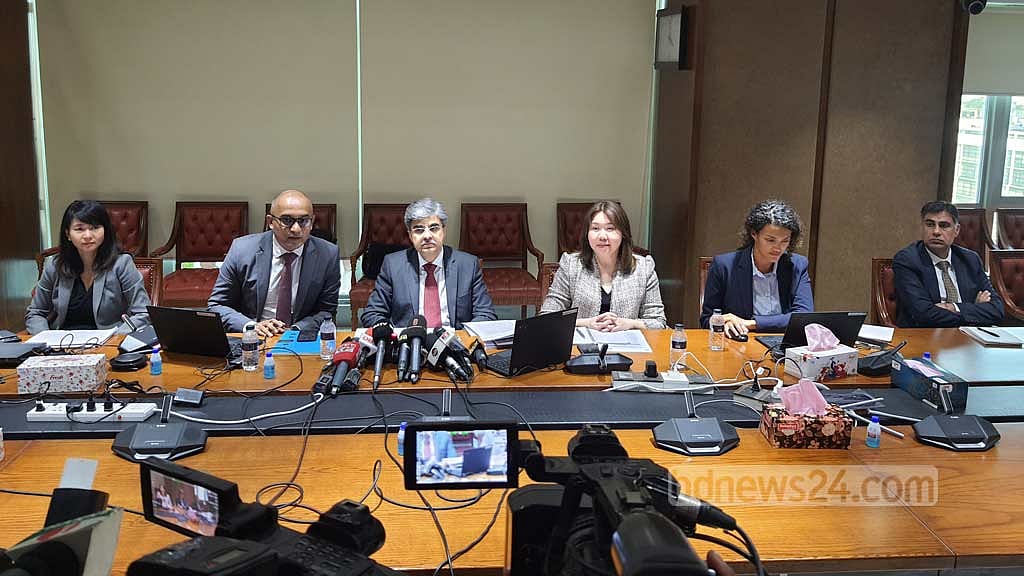
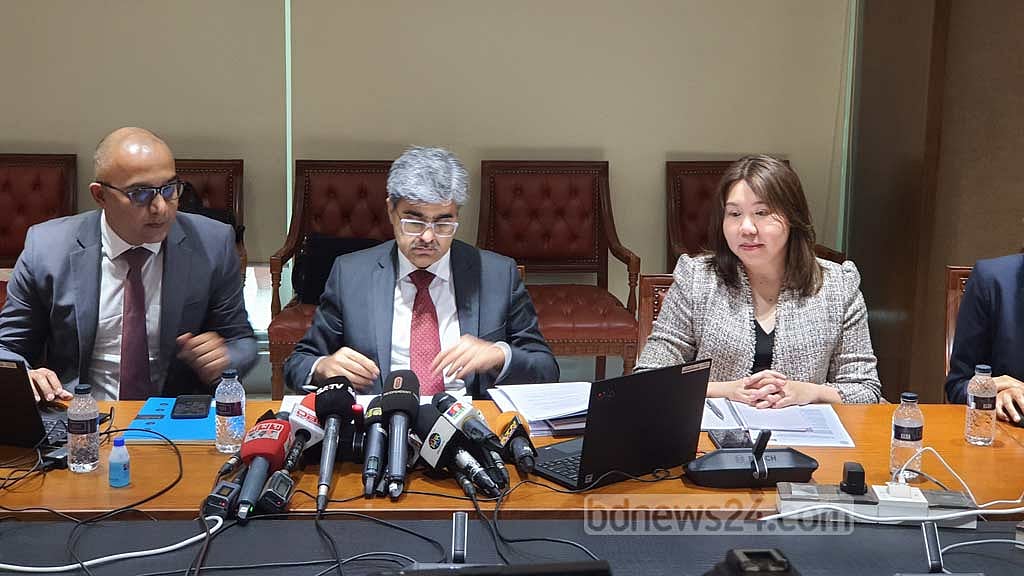
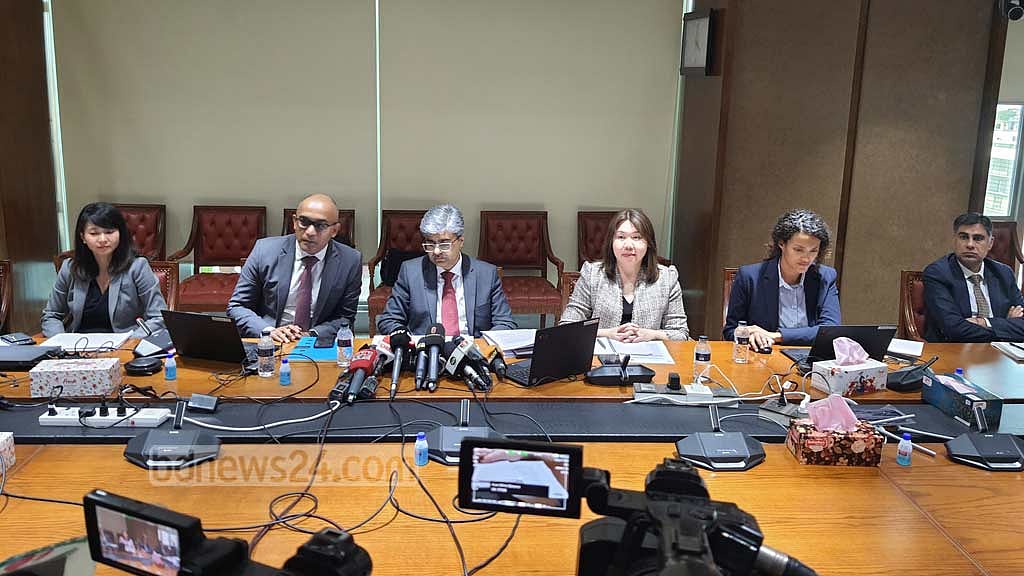
Bangladesh’s ‘robust’ economic recovery from the pandemic has been interrupted by Russia’s war in Ukraine, leading to a sharp widening of the current account deficit, a rapid decline in foreign exchange reserves, rising inflation and slowing growth, said Rahul Anand, who led an IMF mission to Dhaka from Oct 26 to Nov 9.
“Even as Bangladesh tackles these immediate challenges, addressing long-standing structural issues remains critical, including threats to macroeconomic stability from climate change,” he said after a meeting with Finance Minister AHM Mustafa Kamal on Wednesday.
“To successfully graduate from least developed country status and achieve middle-income status by 2031, it is important to build on past successes and address structural issues to accelerate growth, attract private investment, enhance productivity, and build climate resilience,” he said.
“Against this backdrop, and following initial measures to maintain macroeconomic stability, the authorities have put together a program—supported by the IMF—that is expected to bolster its external position, reduce vulnerabilities, and prepare the ground for a robust and inclusive growth pick-up by scaling up much-needed social, development and climate spending.”
The new extended credit arrangement is aimed at restoring macroeconomic stability and preventing disruptive adjustments to protect the vulnerable while promoting structural change to support strong inclusive and green growth.
As Bangladesh needs large climate financing needs, the concurrent RSF will expand the fiscal space to finance climate priorities identified in the authorities’ plans, including by catalysing other financing and reducing external pressures from import-intensive climate investment.
During the trip, the Bangladesh authorities and the IMF discussed the government’s comprehensive economic reform agenda.
Bangladesh Bank officials said the IMF sought details of measures to bring reforms to the banking sector, and control defaults, especially in the state-owned banks and exchange rates.
GETTING WHAT WE ASKED FOR: KAMAL
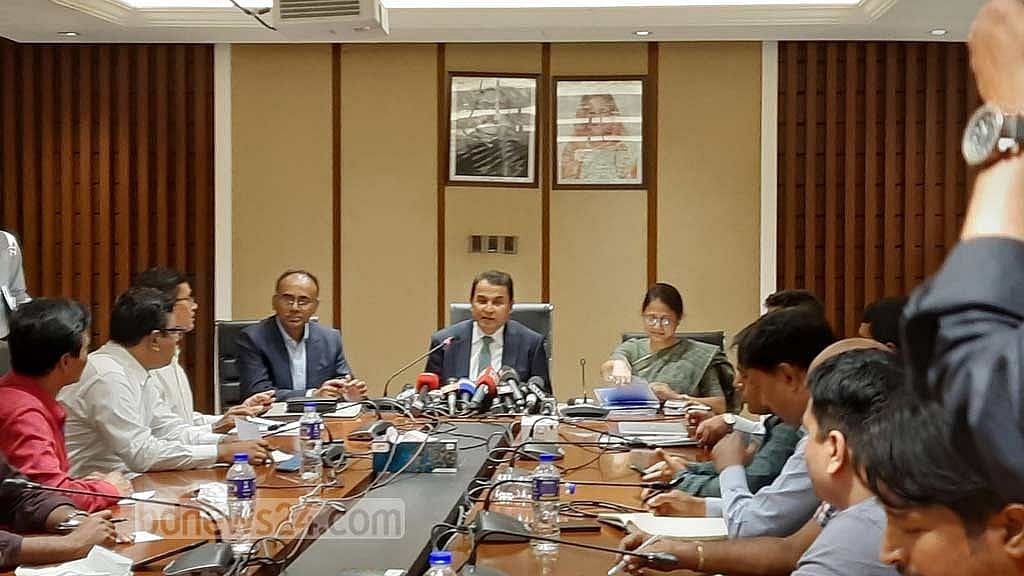
The IMF will disburse funds under the programme in seven tranches until 2026, according to Finance Minister Mustafa Kamal. The first instalment will be available in February 2023, he said at a media briefing.
"We are going to get the IMF loans as requested. They [the IMF] attached the necessary conditions which we ourselves initiated," he said.
The funds will come at an interest of 2.2 percent, the minister added.
The finance minister also said the country had sought the IMF loan to ensure economic instability does not escalate into a crisis, Reuters reports.
RESERVE BUFFER
The IMF loans are expected to create a reserve buffer for Bangladesh with no sign of the global economy improving anytime soon amid the Russia-Ukraine war.
Despite bolstered efforts to boost exports and inward remittances, and to cut expenses, high import costs amid the global economic crisis put pressure on Bangladesh’s foreign currency reserves, which have fallen to $34.47 billion as of Nov 7, a level not seen in two and a half years.
Bangladesh’s trade deficit hit over $7.54 billion in the July-September period, posting an 11.41 percent rise year on year.
The current account deficit grew by 41.85 percent to $3.61 billion in the first quarter of the 2022-23 fiscal year.
The shrinking reserves also triggered fears that an ongoing energy crisis would worsen, which affected daily life and factory production with a gas supply crunch and rolling power outages.
Now the government hopes the effects of the measures it has taken will be visible in January 2023.
Overall inflation hit a 10-year high of 9.52 percent in August before slipping to 9.1 percent in September and to 8.91 percent in October, according to government data.
The wage growth rate rose to 6.91 percent in October from 6.86 percent in September, triggering hopes that lower-income people will get some relief.