Published : 30 Oct 2022, 02:31 AM
Updated : 30 Oct 2022, 08:41 AM


With the global economy predicted to shrink further through 2023 as it reels from the COVID-19 pandemic and Russia’s invasion of Ukraine, Sheikh Hasina has alerted Bangladesh to the effects of the global economic crisis, including a food crisis.
The repeated warnings by the prime minister have prompted some of her cabinet colleagues to reassure citizens of keeping food supply somewhat stable.
But many are anxious about whether Bangladesh is prepared to handle such a crisis if it arises since the rising inflation has already forced low-income families to cut down on their budget for nutritious food.
Government figures do not show clear signs of an imminent food crisis just yet, but the country has seen its inflation climb past 9 percent after many years in light of the global economic crisis.
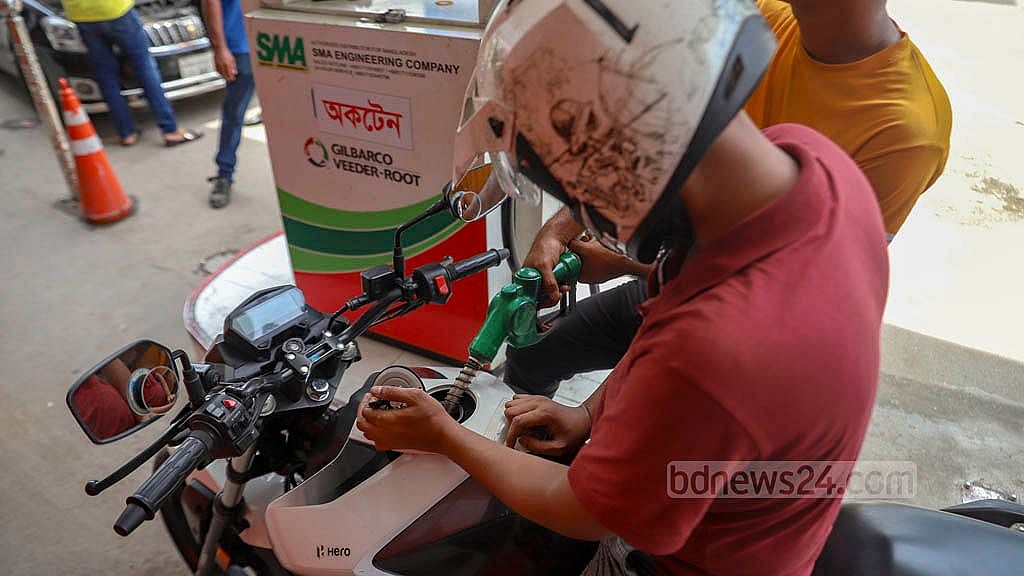
The global economic downturn has many facets and Bangladesh has already experienced several of these issues. Foreign exchange reserves, which were steadily rising over the past several years, are on the decline. The volatility in the world energy markets has brought back widespread power cuts and a shortage of fuel, affecting daily life and agricultural and industrial production.
IMPORTS
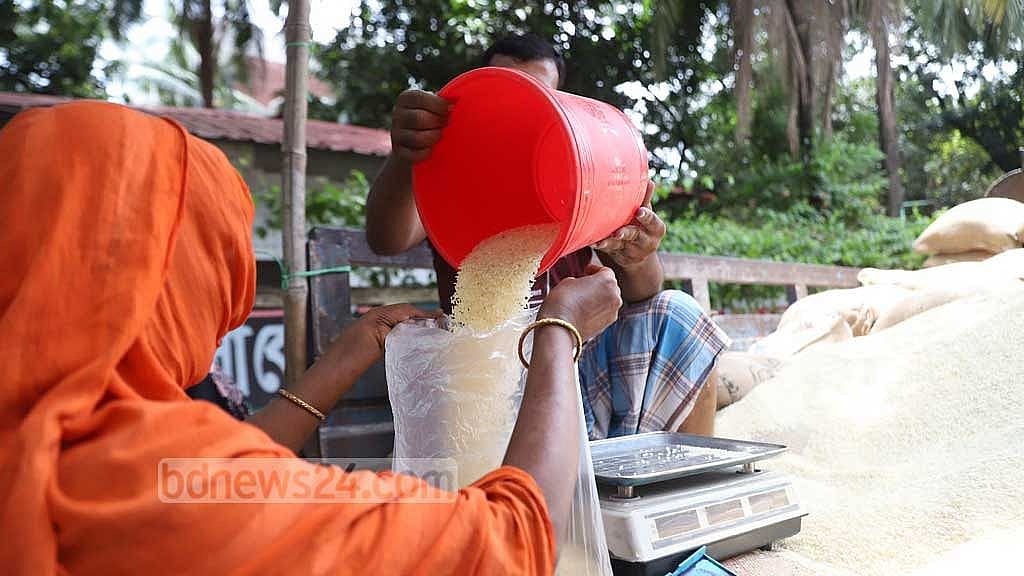
An abnormal rise in prices of commodities such as pulses, cooking oil and sugar has put high pressure on consumers in Bangladesh. As lower and middle-income families are struggling to cope, the September issue of the Crop Prospects and Food Situation report of the UN’s Food and Agriculture Orgnazination put Bangladesh on a list of 45 countries that will need additional food imports in 2023.
In Bangladesh, the production of paddy this year may fall to 56.4 million tonnes from 56.8 million tonnes last year, according to the FAO. It predicted domestic wheat production may increase by 100,000 tonnes to 1.2 million tonnes.
According to the government, Bangladesh’s annual demand for rice is roughly 35 million tonnes and the demand for flour from wheat is 5-6 million tonnes.
Almost all the rice and 10 percent of the wheat are derived from domestic supply. If rice production is disrupted due to natural calamities or other reasons, the rest of the rice is imported.
In the fiscal year 2017-18, the government and the private sector imported 3.6 million tonnes of rice, according to the food ministry. This number fell to 1.4 million tonnes in the next fiscal year due to flooding and dropped further to only 4,000 tonnes in the fiscal year 2019-20. It rose again to 1.3 million tonnes in the fiscal year 2020-21 and fell to 900,000 tonnes in FY22.
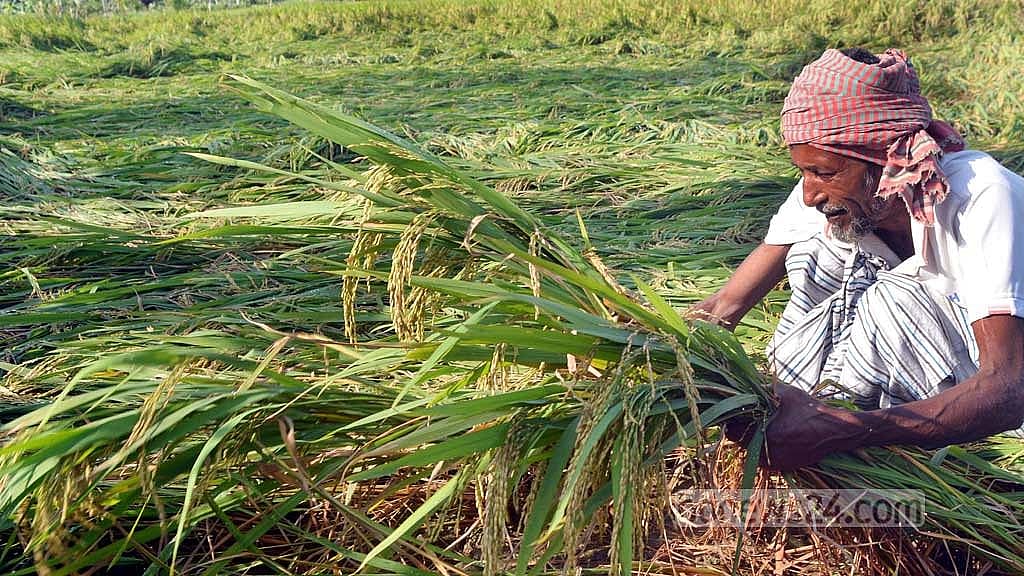
Bangladesh’s rice imports jump when the country is trying to mitigate the impact of widespread floods, cyclones or other natural disasters. The high volume of imports in FY2018 was the result of flooding in the haor areas that damaged a significant portion of the Boro crop.
In the past five years, Bangladesh has imported between 300,000 to 500,000 tonnes of wheat annually for social safety net programmes and rationing. In addition, another 5-6 million tonnes of wheat are imported privately for sale on the open market.
Bangladesh also produces an average of 1 million tonnes of wheat and 3 million tonnes of corn each year.
In the fiscal year 2021-22, Bangladesh imported 4 million tonnes of wheat through public and private means.
The government silos have about 1.6 million tonnes of grains in stock now. Rice makes up 1.4 million tonnes of the stock, wheat 180,000 tonnes, and paddy 20,000 tonnes.
The Department of Agricultural Extension says 15.7 million tonnes of Aman rice were harvested in 2021. This year, Aman was planted on 5.62 million hectares of land and produced 15.9 million tonnes of rice. Bangladesh also has rice from Boro and Aush seasons.
The three seasons combined produced 33.8 million tonnes of rice, according to 2017 data.
ENERGY AND DOLLAR CRISIS
The recent Cyclone Sitrang has caused some damage to crops after heavy flooding in the northeast in mid-2022.
If another natural disaster occurs or if there is an issue with seeds, irrigation or fertilisers, food production will suffer and food imports will need to be increased.
The government has already taken some preparations to import rice if necessary. But imports will mean spending dollars from the depleting reserves.
Bangladesh Bank data says foreign exchange reserves stood at $35.85 billion on Oct 26, compared to $46.49 billion on the same day a year earlier. Earlier in June 2020, the reserves stood at $36 billion.
According to international standards, a country must have enough foreign reserves to meet its import costs for at least three months. Currently, Bangladesh’s reserves could pay for four months of imports.
The war in Ukraine drove up fuel prices on the international market. The government raised fuel prices in Bangladesh as well. It also cut down power production from July to save on fuel. This has led to widespread power cuts and difficulties in the industrial sector, including fertiliser plants.
As the energy crisis put pressure on irrigation, the war has also made it difficult for the developing countries like Bangladesh to get fertiliser from the international market. Import cost of wheat has also increased as both Russia and Ukraine, at war now, are major suppliers of the grain.
WHAT ECONOMISTS SAY
As Bangladesh is largely self-sufficient in the production of its main staple - rice, some economists like Ahsan H Mansur and Binayak Sen are not worried much.
“The international rice market is stable. We don’t have to import too much rice. Bangladesh is no longer in that situation. The country is not in the same position it was in 1974, or 2007-2008,” said Binayak, director general of the Bangladesh Institute of Development Studies or BIDS.
“I see little chance of food shortages, famine or widespread poverty. We do not import rice from Ukraine or Russia. The wheat we buy comes from India. We should have no problems buying wheat from India.”
Referring to the domestic rice production, Mansur said Bangladesh has made great progress in agriculture over the last decade. "Even if food shortages occur in many parts of the world during the post-pandemic crisis and war, Bangladesh will not be greatly affected.”
"In that case, the government should start planning now so that the production during the Boro season, the biggest rice harvesting season, is not interrupted in any way."
Mansur also said that the reserves cannot be allowed to fall further in the current global situation, as Bangladesh depends mostly on imports for energy which is necessary for irrigation and the production of fertiliser and many other food products. He suggested using solar power instead of diesel or electricity from the national grid to run the irrigation pumps.
“The present condition of the reserves is definitely uncomfortable. But strict vigilance is required so that it does not go down further. If the reserves are alright, we can import some rice and wheat in the future, if required.”

Binayak said middle-income and lower-middle-income families have had to spend “a little more” as inflation has shot up. But it is nothing unusual given the circumstances, the economist said.
“The price has gone up a bit, but there is no shortage of greens and vegetables on the market,” he said.
He instead urged that more attention should be paid to gas and power issues in industrial areas.
“We should reduce the gas and power supply to residential areas and increase the supply to agricultural and industrial areas as employment is tied to industry,” he said, suggesting that the government keeps the economy running so that people’s purchasing power is not affected.
The researcher warned that immoral traders could take advantage of all this talk of a food crisis.
“The media has to cover the issue responsibly and with awareness of the situation as food traders may attempt to take advantage of it. If we can secure the supply of diesel and fertiliser for irrigation in the coming season, there should be no other major concerns.”
The price of rice and flour has been rising for the past three months. The government has called the degree to which these prices have risen “unjustified”. The Bangladesh Competition Commission has recently brought several businesses involved in the grain business to the dock.