



Published : 08 Oct 2022, 02:25 AM
Updated : 08 Oct 2022, 03:02 AM


Bangladesh Bank has raised its key policy rate three times in four months in desperation to rein in inflation by putting pressure on the cash flow. Instead, private sector borrowing has increased as the cap on the interest rate has remained in place.
Now economists are questioning the rate hike while keeping the cap, as inflation continues to skyrocket.
Economist Ahsan Mansur thinks the central bank’s rate hike will not affect the flow of cash into the market as long as the cap of 9 percent interest rate stays.
“Repo rate has been raised, but not the interest rate. Then how will this effort be effective?” asked Zahid Hussain, former lead economist at the World Bank’s Dhaka office.
Central banks can control the money supply of a country. If the money supply of a country is high, it can spur inflation. In such cases, banks can use a number of tools to reduce inflationary pressure and bring it under control.
One such method is to raise the key interest rate, also known as the repurchase agreement or overnight repo rate, to rein in the money supply. The repo rate is the rate at which the central bank lends money to commercial banks when there is any shortfall of funds. Raising the repo rate makes it more costly for commercial banks to borrow, making loans more expensive, and restricting the money supply.
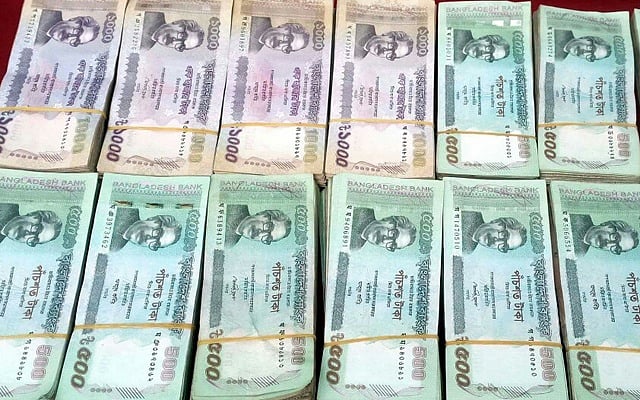
The world saw an economic resurgence as it emerged from the shadow of the COVID-19 pandemic, but Russia’s invasion of Ukraine in February has reopened the wound before it had time to properly heal.
The war caused the price of fuel to spike, which led to rising freight costs and inflationary pressure worldwide.
To ease the pressure of inflation, Bangladesh Bank, like the central banks of other countries, raised the repo rate on Sept 29, by 25 basis points to 5.75 percent, at which commercial banks can borrow from the central bank, for a period of one to 28 days.
An increase in the repo rate means banks have to pay more to borrow from the central bank, making the rate an instrument that allows the central bank to monitor and control the liquidity and investment in the market.
Before that, on Jun 30, Bangladesh Bank had hiked the repo rate by 50 basis points to 5.50 percent.
In July, the month immediately following the repo rate hike, credit growth in the private sector was 13.95 percent, the highest in the last 45 months, or nearly four years.
At the end of August, it increased even further to 14.07 percent.
A similar trend had followed the central bank’s decision to raise the repo rate from 4.75 percent to 5 percent on May 29. June saw credit growth in the private sector at 13.95 percent, up from 12.94 percent in May.
As such, it is clear that, despite the changes to the repo rate, the money supply in the market could not be controlled.
At the end of June, Bangladesh Bank released its monetary policy plan for the current fiscal year. In that report, the target for private sector credit growth was 14.10 percent.
Consumer prices fell to 7.48 percent in July this year from a nine-year peak of 7.56 percent in the previous month as credit continued to grow.
The government set an average inflation target of 5.6 percent for this fiscal year.
But consumer prices in Bangladesh increased at the fastest rate in a decade with inflation surging to 9.5 percent in August. In September, it fell slightly to 9.1 percent.
WHY CREDIT IS GROWING
Economist Zahid Hussain says any central bank has another instrument to control inflation - the interest rate at which businesses borrow funds from the commercial banks.
"Bangladesh Bank has not changed the 9 percent cap on loan interest rate. If it is raised a bit, to a maximum of 12 or 15 percent, the cost of borrowing for businesses will increase. They will then attempt to reduce costs and this would have controlled inflation,” Zahid explained.
Instead, Bangladesh Bank’s policies are giving money to businesses at a low cost, he said. If the loan interest rate does not increase alongside the repo rate, it will not be effective at controlling credit or inflation.
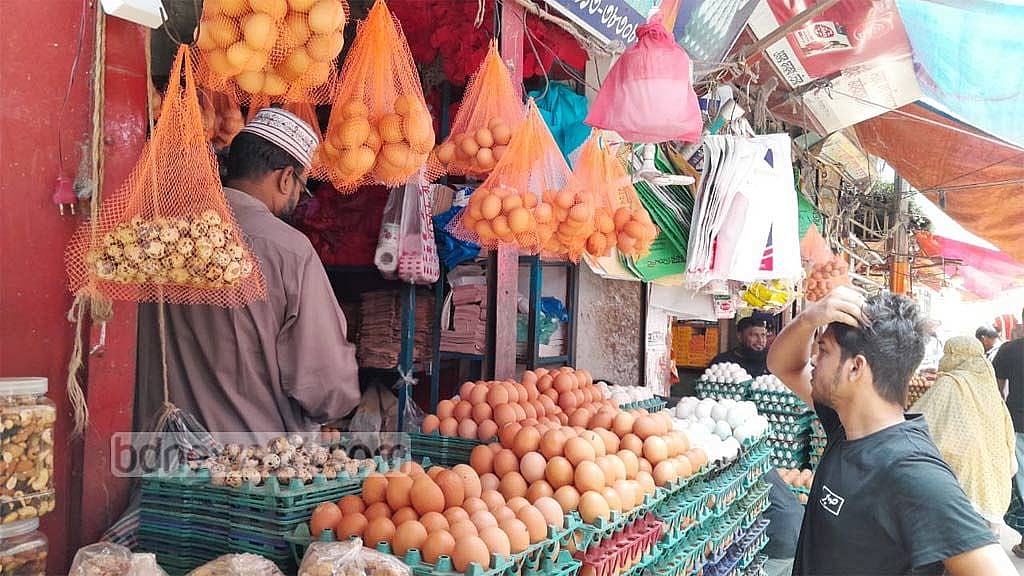
Zahid said that the central bank could also step in to reduce the money supply directly in an effort to control inflation. If Bangladesh Bank sold treasury bills and bonds on the market, it could remove money from the market and cut down the total supply.
OTHER MEASURES TO CONTROL CASH FLOW, INFLATION
For the past 15 months, Bangladesh Bank has controlled the money supply by selling dollars on the market to regulate inflation, Zahid said. In the past fiscal year, it removed nearly Tk 8 billion from the market in this way.
This is why the money supply in the market has fluctuated, he said.
Zahid Hussain said the government’s initiative in the current budget to adjust demand and supply to maintain a steady supply of products to the market and reduce costs was a logical one, but the effectiveness of its implementation was not yet clear.
The government has also taken several steps to try and limit rising costs.
Austerity initiatives were notable in this year’s national budget.
It suspended work or delayed the release of funds on projects that weren’t essential to public welfare.
Public offices were opened at 8am – two hours early – to make use of sunlight and cut down on electricity.
It also halted purchases of cars and ordered 20 percent of fuel to be reserved. The government also cut customs duties for cooking oil and rice.
But, like the increase of the repo rate, none of these measures have managed to calm inflationary pressure. And families are struggling.

WHAT OTHERS DOING
In the US, San Francisco Federal Reserve President Mary Daly on Wednesday underscored the commitment of the central bank of the country to curbing inflation with more interest rate hikes, even as she said the Fed will not simply barrel ahead if the economy starts to crack.
"We definitely don't raise rates until something breaks; we actually are forward-looking," Daly told Bloomberg TV in an interview, adding that policymakers don't rely only on models but gather information from business and community leaders to shape their policies.
Reuters has reported the Fed is expected to deliver a fourth straight 75-basis-point rate hike when it meets early next month, as it tightens monetary policy more aggressively than it has done since the 1980s to ease price pressures that have stayed higher for longer than policymakers had expected.
Global stock markets have gyrated as investors try to calibrate when the Fed's rate hikes could end. Policymakers like Daly have stuck firmly to their message that the tightening will end only when inflation comes down.
In Europe, the Bank of England raised its key interest rate to 2.25 percent from 1.75 percent last month and said it would continue to "respond forcefully, as necessary" to inflation, despite the economy entering recession.

The Reserve Bank of India's benchmark repo rate was raised by 50 basis points to 5.90 percent by the end of September, the fourth straight increase in the current cycle, as policymakers extended their battle to tame sustained above-target retail inflation rate.
India's annual retail inflation rate accelerated to 7 percent in August, driven by a surge in food prices, and has stayed above the RBI's mandated 2-6 percent target band for eight consecutive months.
‘SHOULD’VE WAITED MORE’
Former governor Salehuddin Ahmed believes the central bank should have waited some more time before raising the repo rate.
He said allowing the credit flow to grow in the production sector is a good thing for Bangladesh’s economy because it will create more jobs and help families cope up with rising inflation.
But if the conglomerates borrow most of the funds, it will take time to get an outcome. “It would rather increase inflation. Bangladesh Bank should’ve moved if it had seen any such sign [money flowing to big firms only].”







