Published : 03 Jan 2025, 01:51 AM
Updated : 21 Aug 2026, 12:26 PM


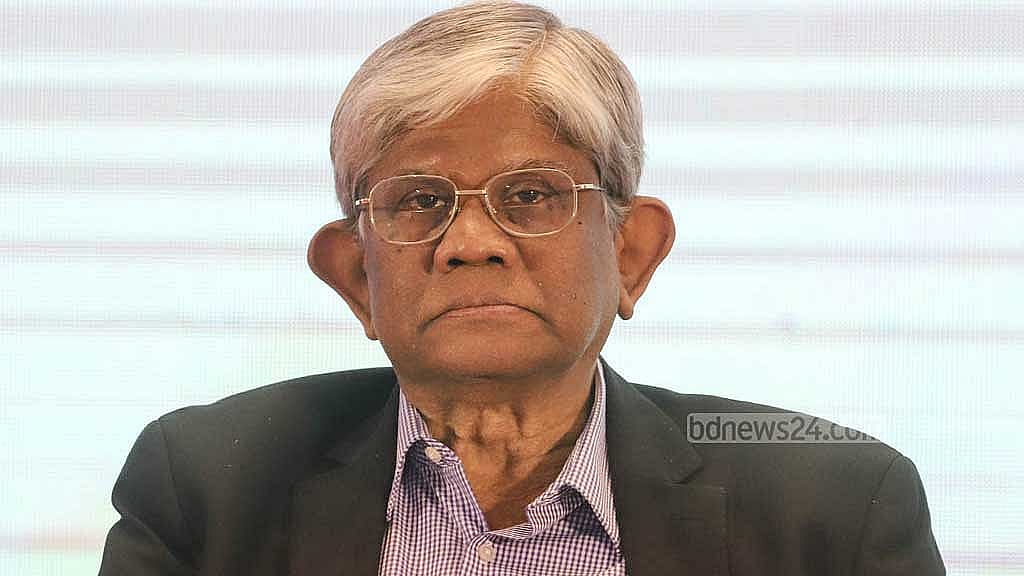
The government’s recent decision to raise value-added tax, or VAT, on 43 types of goods and services will not significantly impact everyday essentials or cause hardship, Finance Advisor Salehuddin Ahmed has claimed.
“The VAT hikes are on non-essential goods, which are not a major part of people’s daily expenses. At the same time, VAT on essential items has been exempted,” he told journalists after a meeting of the advisory committees on economic and public procurement matters at the Secretariat on Thursday.
“The main indicators of inflation are staples such as rice and lentils. The goods we have subjected to VAT hikes are insignificant in our daily lives,” Salehuddin added.
The National Board of Revenue, or NBR, made this move mid-fiscal year following the recommendation of International Monetary Fund, or IMF, to collect an additional Tk 120 billion in revenue as part of a $4.7 billion loan agreement.
An NBR media statement said VAT rates on 43 types of goods and services would be raised to 15 percent, up from the existing 5 percent to 7.5 percent.
The proposal was tabled and received policy approval during Wednesday’s advisory council meeting.
The list includes items such as medicines, powdered milk, biscuits, juices, fruits, soap, sweets, mobile calls, internet usage, dining in restaurants, airline tickets, cigarettes, and tobacco products.
Addressing concerns, Salehuddin said: “We have increased VAT for restaurants rated three stars and above. An additional cost of Tk 10 in such places should not cause distress. Lower-end eateries are not included in this change. Only businesses with a turnover above Tk 5 million fall under this scope.”
Regarding airline tickets, he said: “The current VAT on airfares has been raised by Tk 200, from Tk 500 to Tk 700. This is still one of the lowest tax rates globally. Meanwhile, essential goods have been left almost VAT-free.”
The advisor stressed that the government has provided significant exemptions.
“If you calculate, the tax exemptions amount to several billion takas. However, the revenue gap remains substantial, and we cannot proceed with a deficit budget. Priority sectors like education, healthcare, and IT will not see budget cuts, so we must generate revenue from other areas.”
On the question of resource gaps, the finance advisor clarified that the VAT hike is not solely due to IMF conditions.
“After evaluating the resource gap, we realised the necessity of this measure. Raising income tax or corporate tax suddenly is not feasible, as these are already at their peak. Import revenues are also declining.”
Commenting on the interim government’s efforts, he said: “The previously unstable economy is gradually stabilising. While not all sectors are fully steady, there has been significant improvement in the banking sector. Bangladesh Bank has provided Tk 22 billion to support depositors of weak banks, ensuring stability.”