Published : 07 Sep 2022, 12:48 AM
Updated : 07 Sep 2022, 12:48 AM


Bangladesh Foreign Exchange Dealers Association, or BAFEDA, agreed to set a uniform dollar rate for interbank exchange more than three months ago, but it is yet to fix the figure amid a lingering crisis.
Bankers think the delay in setting the rate left the interbank dollar market stagnant, while officials say it may take some more time to set a uniform rate due to the recent change in BAFEDA’s leadership.
The Bangladesh Bank in a meeting with BAFEDA decided to fix the exchange rate for international trade on May 26. The second meeting was held in mid-August.
Md Afzal Karim joined Sonali Bank as the new managing director on Aug 28 and will now lead the exchange dealers’ organisation.
“We’ve applied to the RJSC (Registrar of Joint Stock Companies And Firms) to change the name and hope to hold a meeting this week,” he said.
Bangladesh Bank spokesperson Md Serajul Islam was also positive that BAFEDA will begin “implementing the decision” next week.
The prices of the dollar began rising in mid-2021 due to a supply crunch of the currency. The crisis went deeper towards March this year, prompting the central bank to come up with several measures to curb the spiking rates.
In the meeting in May, the BAFEDA and Association of Bankers, Bangladesh or ABB, agreed to fix a “ceiling” to set a uniform interbank dollar exchange rate amid a lingering crisis over the supply of the greenback.
On Jun 30, Bangladesh Bank reintroduced the floating rate and regularly devalued the taka against the dollar while selling large amounts of the currency to meet the demands.
The banks were supposed to hold discussions to propose a dollar exchange rate under the supervision of the central bank.
However, BAFEDA did not follow up on some decisions taken after forwarding a proposal at the end of May. As the dollar crisis deepened, the banks halted dollar transactions to make an extra profit and the interbank dollar market lost activity.
The banks in crisis are buying dollars from other banks at higher prices to settle import payments, while sometimes looking to clients to come up with the currency. This is putting the customers at the receiving end of the crisis.
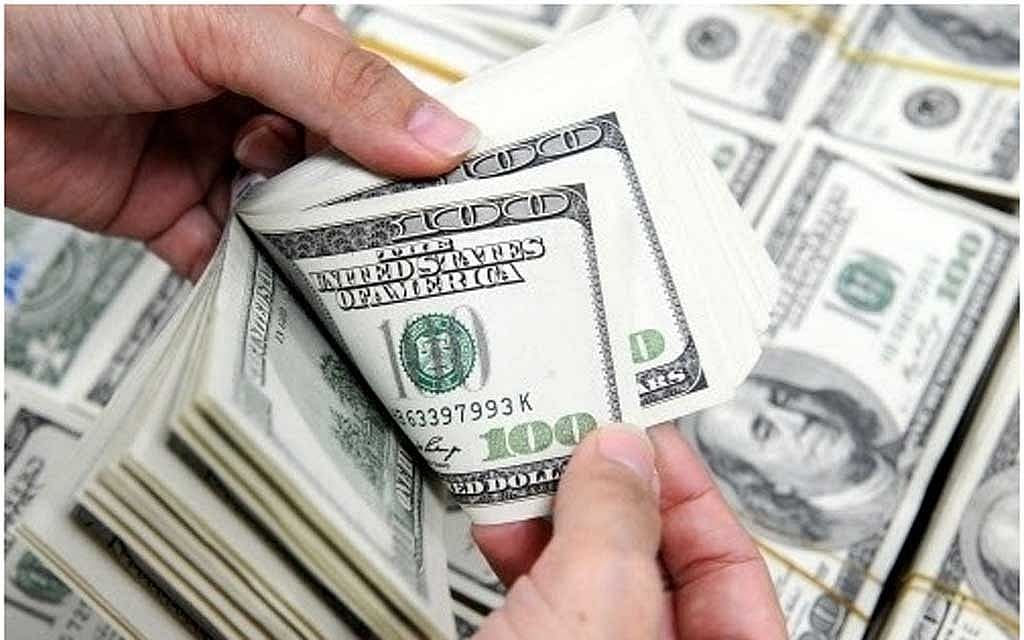
The dollar rate reached an all-time peak at Tk 121 in the open market in August and is currently being sold at Tk 110. The price of the dollar in the banks rose to Tk 107, although Bangladesh Bank is selling at Tk 95.
The central bank capped the difference between dollar buying and selling rates at Tk 1 for the banks in a meeting with the foreign exchange dealers and bankers on Aug 14. In that meeting, BAFEDA once again promised to come up with another proposal to make the interbank dollar exchange market dynamic.
The forex dealers association was formed in August 1993 with chief executives and representatives from commercial banks with an aim to develop the interbank foreign exchange market. It currently has 44 member banks.
BAFEDA needs to get approval from the RJSC to include the names of newly appointed managing directors of Agrani and Rupali banks, besides the Sonali Bank MD Afzal.
Afzal said Sonali Bank had applied for the approval and a meeting of BAFEDA was expected to be held this week.
The managing directors who represent their banks at BAFEDA said they started discussing the rate.The banks are collecting dollars from foreign sources at different rates.
Some bankers think setting a uniform rate will disrupt the process of dollar collection. Some others doubt whether the banks will follow the rate.
Ataur Rahman, who recently left Sonali Bank as MD, said the Foreign Exchange Dealers Association of India has the powers to take and implement any decision, but BAFEDA does not have any such powers.
BAFEDA discussed this issue as well and the central bank assured BAFEDA of cooperation to implement the association’s decisions, he said.
“Bangladesh Bank will be able to announce BAFEDA’s decisions through circulars.”