


Published : 22 Sep 2016, 10:28 PM
Updated : 19 Oct 2022, 05:29 PM


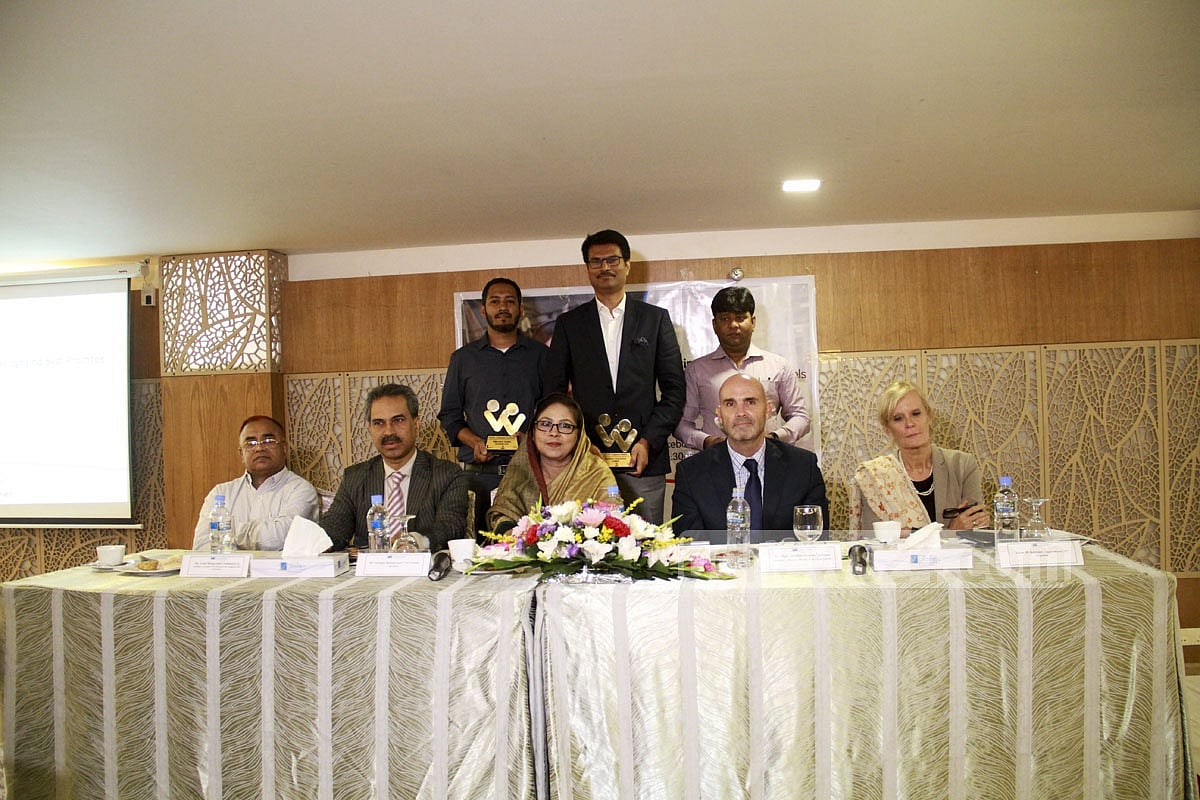
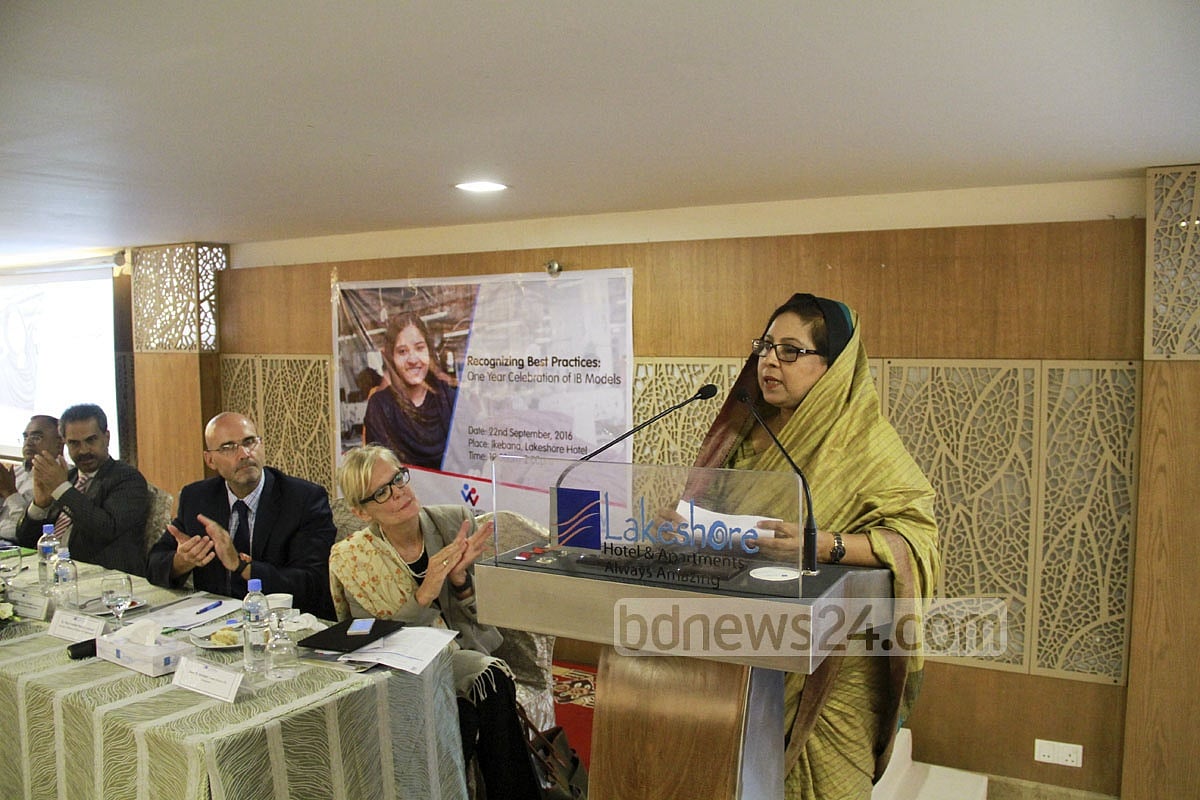
“These workers are your assets- working to their fullest capacity and potential in order to make your factory more profitable,” Leoni Margaretha Cuelenaere said on Thursday in Dhaka.
“But they are often misinformed or uninformed and it is part of your corporate responsibility, to take care of their health and beyond,” she said.
The ambassador was speaking at a function that celebrated one year of a new SNV Netherlands Development Organization’s project that created a ‘business model’ for ensuring sexual reproductive health and rights of the female garment workers.
State Minister for Women and Children’s Affairs Meher Afroze Chumki, speaking as chief guest, also urged factory owners to ensure sexual and reproductive health services to workers and to set up ‘daycare’ centres for their children.
Most of them are at the reproductive age group of 15 years to 35 years. Different assessments found low levels of understanding of some basic concepts such as menstruation, and maternal health, among them.
They also suffer from health issues such as malnutrition, communicable diseases and pregnancy complications. Services are not accessible and affordable to them.
The ambassador said in some of their recent projects they had seen that “investment in female worker health conditions has a positive impact on productivity.”
The project with SNV is intended mainly towards creating an environment where garment businesses “prosper from being responsible-businesses,” she said.
One of the key barriers to effective sexual and reproductive health and rights programming in garment factories is lack of communication and relationships between stakeholders like service providers and factories – owners and workers.
But the SNV model is a holistic approach in which all stakeholders, including owners, workers and service providers’ work together to ensure services to female workers.
Currently, the model is being implemented in 19 factories in Dhaka and its outskirts. Ten NGOs have tied up with them to provide the services close to those factories.
Thursday’s function also recognised the best practices of factories implementing the models.













