Dhaka, Dec 11 (BDNEWS) – Bangladesh being a major importer of Indian products will incur a huge amount of duty losses from SAFTA, expected to come into effect from next year.
"Therefore, SAFTA will throw a massive challenge for Bangladesh in making good for duty losses in future years," said Dr Mahbub Ullah, chairman of state-owned Sonali Bank and an economics professor in the University of Dhaka.
SAFTA, he said, will put in huge pressure on Bangladesh to institute major reforms in revenue administration and urged for strong cope-up mechanism.
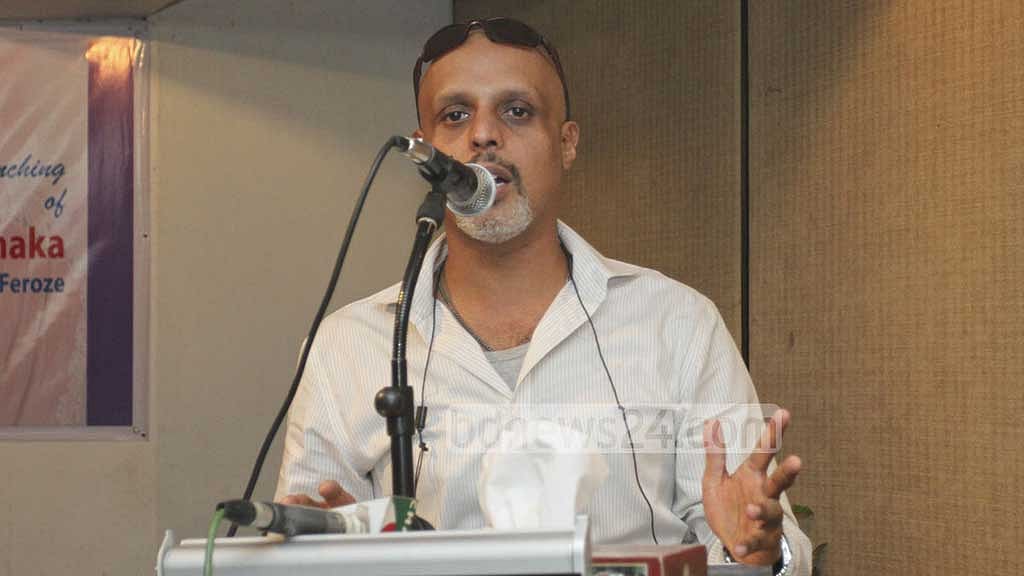
Dr Mahbub made the call while presenting a keynote paper at a seminar on "13th SAARC Summit and Future Outlook" organised by Bangladesh Institute of International and Strategic Studies (BIISS) at its auditorium in the capital Sunday.
Adviser for Foreign Affairs, Reaz Rahman presented another keynote paper on the political aspect of the Summit. Foreign Minister M Morshed Khan, BIISS chairman Ambassador Mufleh R Osmany and acting director general ZRM Ashrafuddin also spoke.
Mahbub Ullah said the SAFTA shall be deemed to be beneficial to the Bangladeshis only if Bangladesh gains a bigger access to the South Asian markets, especially to bordering Indian states.
Instead of airing high-sounding possibilities, the economist said mere removal of trade barriers through the SAFTA will not enable Bangladesh to increase its export volume in the South Asian market.
"Bangladesh has to go a long way in terms of product diversification and attaining production efficiency in order to reap the benefits of removal of trade restrictions in the South Asian region,"
The SAARC leaders from the 13th Summit announced to implement the SAFTA from January 1, 2006, which is aimed at trade facilitation and closer economic cooperation to open up windows of opportunities for South Asian economic union.
Foreign Minister M Morshed Khan said Bangladesh's chairmanship of SAARC will devote itself to fully realising a 'people's SAARC' and poverty alleviation will remain high on the national and regional agenda.
Reaz Rahman told the seminar that the Summit helped a lot in creating an enabling environment although there was doubt if bilateral irritants will be affecting regional cooperation.
Diplomats from China, Japan and India were present at the seminar.
BDNEWS/1534 hrs