


Published : 14 Sep 2015, 08:39 PM
Updated : 19 Oct 2022, 06:57 PM


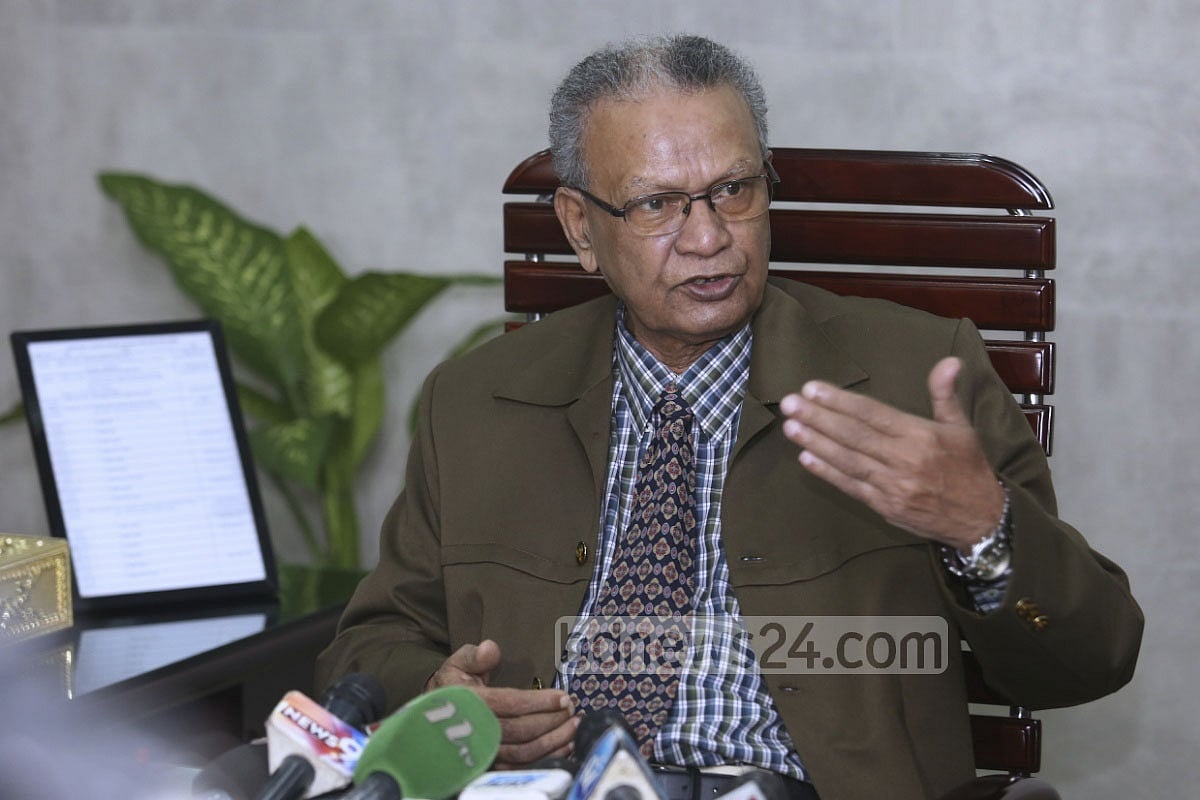
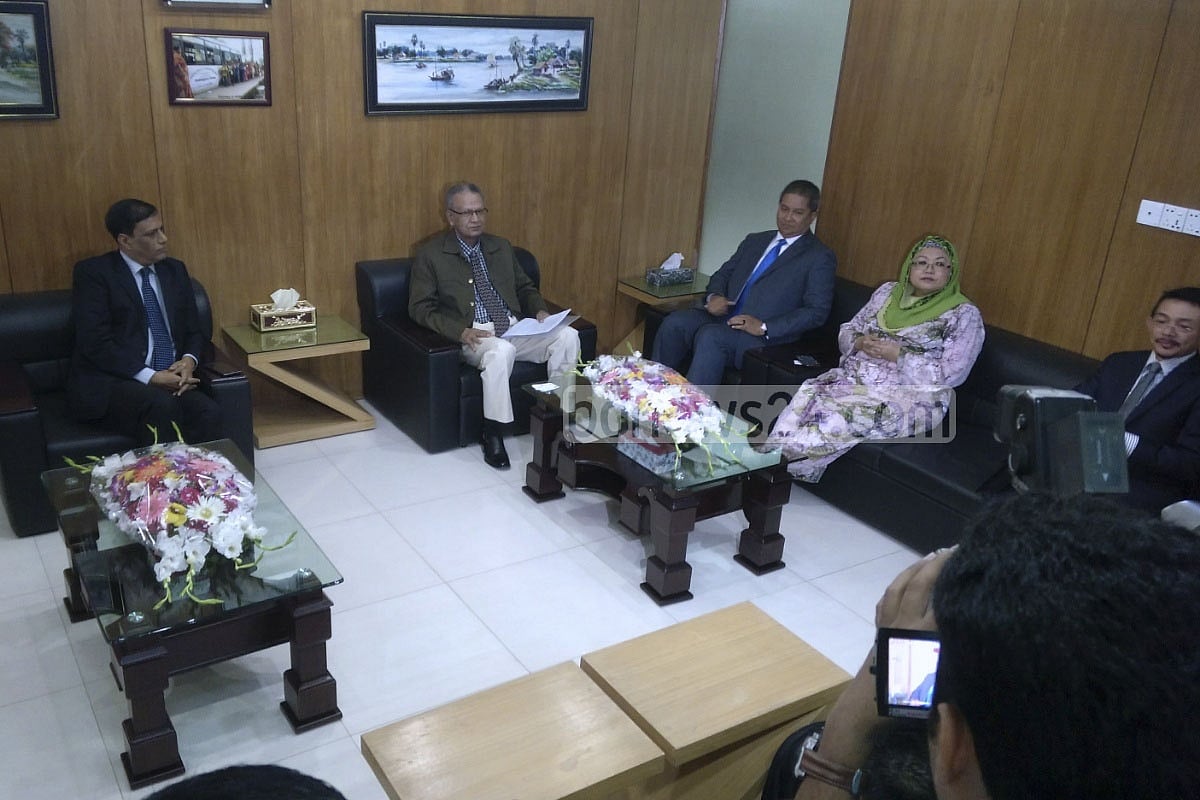
Until now, the country had restricted itself to recruiting Bangladeshi workers only for its plantation sector, Nurul Islam BSc said on Monday. “Now they will recruit for all sectors.”
He was briefing journalists on the outcome of a meeting with a visiting Malaysian team earlier in the day.
“Malaysia is interested to recruit workers in the G2G Plus method. We are mainly discussing that.
“The difference of this method from the conventional G2G (Government to Government) is that Bangladesh will be able to include BAIRA in the process,” he said.
The Bangladesh Association of International Recruiting Agencies is an organisation with 1,100 government approved manpower exporting agencies.
The minister on Monday said Malaysia would recruit Bangladeshi doctors, engineers, teachers, construction workers and workers for the other sectors.
The two countries are also supposed to sign a Memorandum of Understanding (MoU) on Tuesday in this regard.
Currently, around 600,000 workers are employed in the South Asian country, which is Bangladesh’s largest labour recruitment market.
The Malaysian government had resumed the recruitment of workers from Bangladesh for its plantation sector under the G2G agreement in 2013 after a long gap.
But Bangladeshis did not show much interest in working in plantations.
The government had set a target of sending 50,000 workers every six months at the time, but managed to send only 7,000 in past two years, according to the Bureau of Manpower, Employment and Training (BMET).
On Jun 24, Malaysian Home Minister Ahmad Zahid Hamidi at a meeting in Kuala Lumpur with Bangladesh’s former overseas employment minister Khandker Mosharraf Hossain had confirmed the recruitment of 1.5 million workers in the next three years through private agencies.
Bangladesh government then had initiated the process to include the agencies in the new business-to-business (B2B) recruitment agreement.
Regarding this, Nurul Islam BSc said, “They (Malaysia) are not interested to work with private agencies. They also have not presented any such proposal.
“We hope to begin sending workers within a month through G2G Plus system,” he said.
Asked whether the B2B agreement would be scrapped, he said, “No, it’s not going to be like that. They (Malaysian delegation) did not come with any proposal regarding B2B.”
He said the migration through state-run BMET under the new system would cost a worker Tk 36,000-37,000, while the same process through private agencies would cost a maximum of Tk 60,000.
The workers would be chosen from the database of 1.4 million created for Malaysia, the minister added.
Malaysian human resources ministry’s Secretary General Saripuddin bin Hj Kasim is leading the six-strong delegation.













