Published : 19 Jan 2014, 04:08 PM
Updated : 08 Aug 2022, 06:24 PM


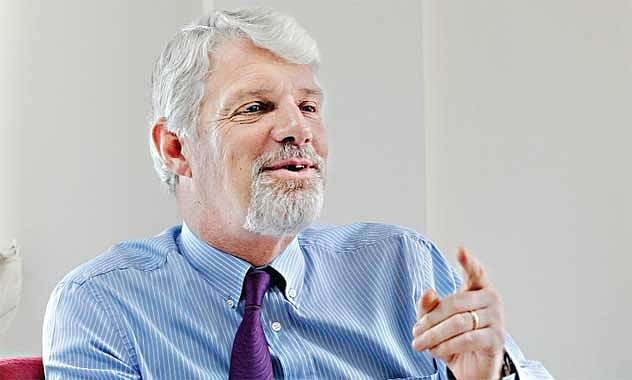
But the Head of the EU delegation in Dhaka, Ambassador William Hanna on Sunday said they would continue to call for dialogue between the major parties.
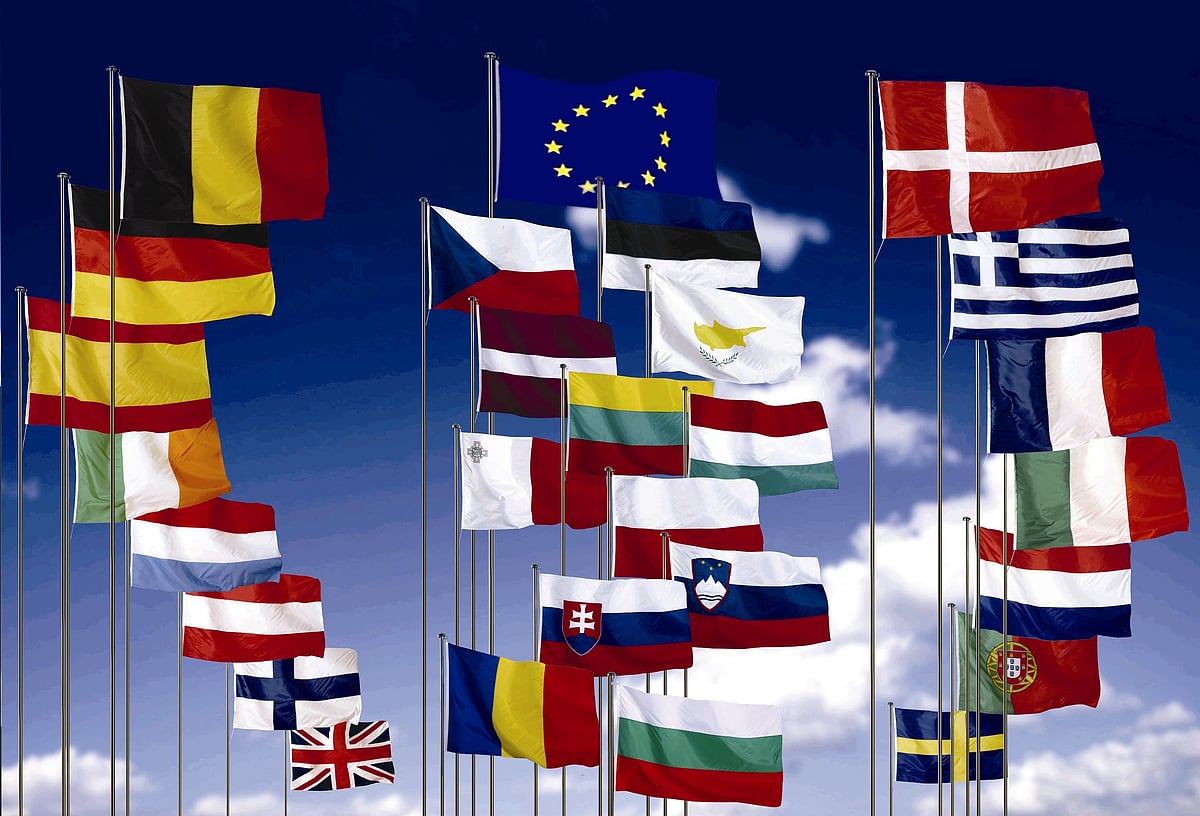
Hanna thus scuttled all speculations that the EU might revoke its duty-free facilities for Bangladesh products as it did not find the elections “transparent, inclusive and credible”.
The EU is the biggest trading partner of Bangladesh. Over 50 percent of Bangladesh's annual export of $ 27 billion last year went to the EU.
The opposition alliance led by BNP boycotted the Jan 5 polls and more than half the seats returned winners without a contest.
The EU like the US did not send poll observers.
Bangladesh also witnessed much violence before and during the elections and the Election Commission said the turnout of voters dropped to 40 percent.
That led to media speculations that the EU might revoke its GSP for Bangladeshi products.
After the elections, EU High Representative Catherine Ashton urged all parties to refrain from violence and engage in a “genuine dialogue” putting Bangladesh’s interest above everything else.
Through dialogue she urged them to agree on “a mutually acceptable way forward to strengthen democratic accountability and to hold transparent, inclusive and credible elections”.
The European Parliament also urged parties to debate on politics within Parliament, not by violence on the streets.
It also called upon the government to ban politics of parties who resort to terrorist attack and asked the BNP to give up its alliance with the Jamaat-e-Islami.
“Neither of the statements mentions the question of trade," Ambassador Hanna told a small group of journalists at his office.
“At the moment we are not considering any change”, he said.
“We always want elections that would be transparent, inclusive and credible that is our position.
“It (the statements) does not mention the question of trade and GSP, and development cooperation.
“Development cooperation will continue as before,” he said.
He said Ashton’s statement was the official position of the EU and views of EU Parliament reflects view of all different parties.
The ambassador said the EU enjoyed long relationship with Bangladesh and over the years trade has become the “key” of the relationships, "not aid".
“Our support is based on democracy and human rights and on those questions we express our concerns”.
Despite criticism particularly from the West, many countries including India, China, and Russia congratulated the new government and vowed to work together.
However, there had been no official greetings from the EU to the new government.
“I was at the swearing in ceremony. I greeted everyone there. We continue to work,” Hanna said, “Our position has been reflected in the statement”.
“We will continue to work and continue to urge all parties to implement the resolutions,” he said.
Before the elections in an interview he told bdnews24.com that after the Jan 5 elections, there would be a new situation and that they would comment after evaluating that.
Hanna said, “We are in a new situation, but we will work with it”.
“We will keep on trying to move forward. It's very much for Bangladesh to sort this out and reach an agreement. We made out positions clear”.
“We will be following events in the coming months and hope there will be some improvements , question of human rights abuses will be addressed and that there will be dialogue, it will be resumed”.
He said the EU Parliament’s resolution has no binding power.
“It’s urging,” he said and that the parliamentarians expressed their views after taking stock of the situation.
“They tend to negotiate among them and come together on a resolution,” he said and that in EU Parliament, members do not sit as countries, they sit as political families like socialists sit in a group, democrats in another group.
Hanna also urged all to stop violence in any form particularly targeting minorities as the EU felt the most vulnerable were attacked in Bangladesh.
The reviewing of GSP issue had been in the discussion last year after the Rana Plaza collapse that killed more than 1100 people, mostly garment workers.
After it, the US punished Bangladesh revoking its duty-free facility known as the GSP.
But the EU came up with a plan to compel Bangladesh new standards of factory safety and workers rights.
But later, the EU trade commission said the GSP could not be taken for granted and issues like factory safety and labour rights have to be addressed.
Ambassador Hanna said the commitment were focused on labour law and implementation of the changes in the law that include freedom of association and collective bargaining in workplace, factory safety as well as inspections and measures taken after inspections.
Bangladesh also committed to make a ‘transparent database’ providing inspection details and measures after that and corporate social responsibility of the companies.
He said they were “closely” following the situation in the ready-made garment industry of Bangladesh.
“A number of measures have been put in place. Some more need to be done,” he said pointing out that inspector recruitment was not happening "as quickly as expected”.
“The database of information for factory has not yet been set up,” he said and added that they would continue to follow those up.
In 2014, the EU would begin its next seven years' strategy for Bangladesh with focus on education and skills, food security and nutrition and on democratic governance and human rights, the ambassador said.
Also Read:
Savar crash ignites EU actions threatAlso Read:
EU threatens to withdraw GSPAlso Read:
Europe action would have big impactAlso Read:
‘EU not taking sides’Also Read:
EU for talks, halt to violence