


Published : 06 Feb 2015, 03:18 AM
Updated : 19 Oct 2022, 06:35 PM


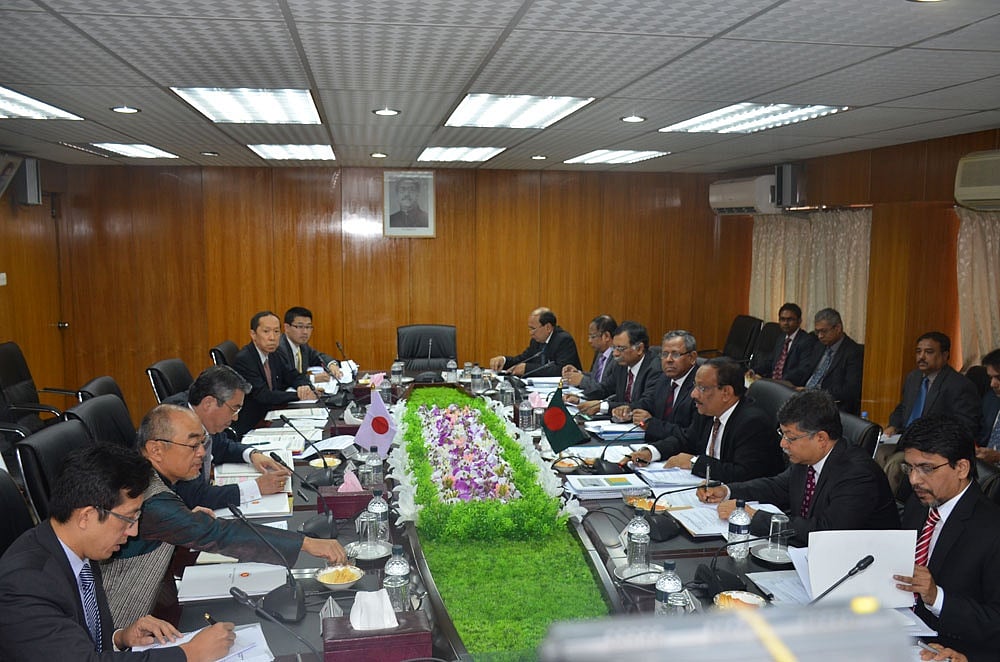
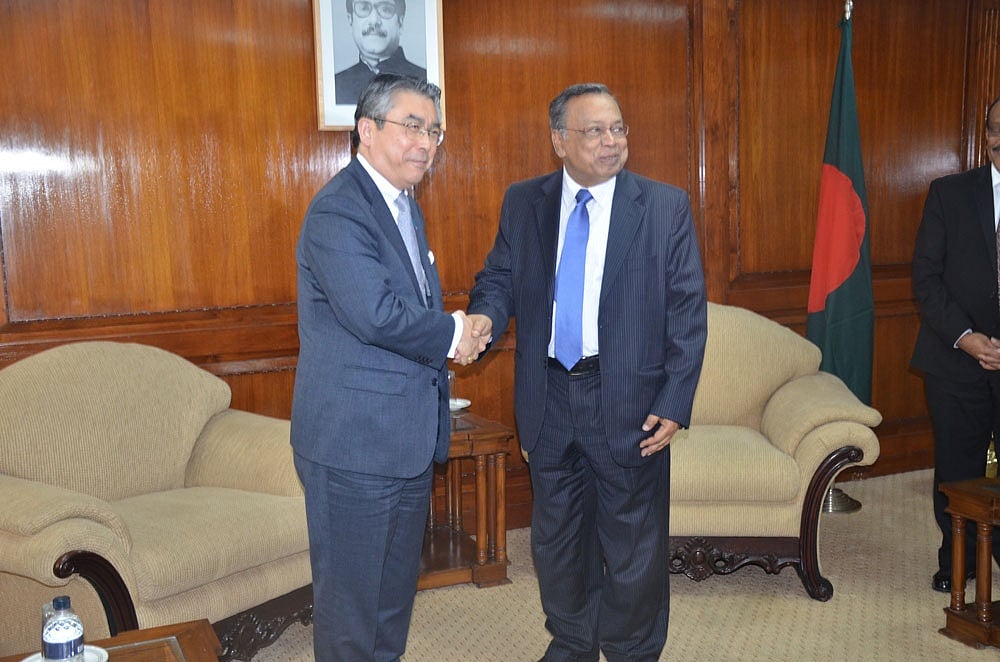
Japan's Deputy Foreign Minister Shinsuke Sugiyama conveyed this decision to Foreign Secretary Md Shahidul Haque at the first-ever foreign office consultation held in Dhaka on Thursday.
“The modalities and other formalities in this regard are being worked out,” he said at the foreign secretary-level meeting.
Japan relaxed the rules of origin of its GSP scheme for knitwear products in 2011 when it lowered the stage to two from three.
Relaxing it further means this will come to stage one.
Stage three required Bangladesh to have its own thread for making the product, which was tough for the country to comply with.
The provision was lifted when the rules of origin was relaxed to stage two level.
“Lowering the rules to stage one means even clothes knitted with imported fabrics can be exported to Japan,” former President of Bangladesh Knitwear Manufacturers & Exporters Association (BKMEA) Fazlul Hoque told bdnews24.com.
He welcomed the latest Japanese gesture and hoped that it would lead to increased export.
Bangladesh-Japan relations reached a new height last year following Prime Minister Sheikh Hasina's trip to Tokyo and her counterpart Shinzo Abe's return visit to Dhaka.
The visiting deputy foreign minister reaffirmed Tokyo’s commitment to further strengthen its relations with Dhaka “based on the comprehensive partnership”, which both leaders agreed upon last year.
The foreign ministry said bilateral, regional, and international issues featured during the three-hour long discussion.
Both sides took stock of the existing areas of cooperation and identified new ones.
Foreign Secretary Haque at the beginning strongly condemned the “heinous” killings of two Japanese hostages by the ISIS and reiterated Bangladesh’s strong position against all acts of terrorism.
Sources privy to the meeting told bdnews24.com that the foreign secretary decided to observe a minute's silence as a mark of respect to the slain duo.
According to the sources, they stood in silence following which Deputy Foreign Minister Sugiyama said, “We are honoured.”
Japan is the largest development partner of Bangladesh.
Bangladesh withdrew its candidature for the non-permanent seat at the UN Security Council in favour of its Japan.
Japan also promised to help Bangladesh in implementing mega infrastructure projects.
Concerning five such projects, the Japanese delegates at the meeting said they had already made preliminary decision to provide official development assistance for building a dedicated rail bridge over Jamuna parallel to Bangabandhu Bridge.
On other four projects – Ganges Barrage, multimodal tunnel under Jamuna, Dhaka Eastern Bypass, and ecological restoration of four rivers around Dhaka – both sides are working out the modalities.
Bangladesh appreciated Japan’s multi-year ODA commitment of $6 billion in the next four to five years under the “Bay of Bengal Industrial Growth Belt (BIG B)”.
Dhaka appreciated Tokyo’s decision of increasing the number of JDS scholarships for Bangladeshi students to 25 from 15.
Bangladesh asked for Japanese assistance in the maritime cooperation including in developing the blue economy, which drew assurance of ‘positive’ consideration by the Japanese officials.
Dhaka proposed that a ‘Joint Working Group’ may be formed to further enhance agricultural cooperation.













