Home
+
Published : 10 Jun 2026, 01:59 AM
Fiscal Faultlines: Economy Health Check
Inherited “deficits”: The new government faces an immediate, severe fiscal gap due to deep-seated structural issues from the interim era
Remittance lifeline: Record remittance inflows, exceeding $32bn, provide vital economic relief and keep foreign reserves stable
Faltering exports: Hit by global shocks and tariff threats, export earnings fell by 2.58 percent amid a downturn in the garment sector
Stubborn inflation: Driven by rising fuel and power tariffs, headline inflation climbed to 9.42 percent in May, straining households
Banking fragility: Bad loans have soared to 32.26 percent, leaving the banking sector severely weakened by mismanagement and low credit
As Bangladesh approaches the end of another turbulent fiscal year, the optimism that accompanied the return of the elected government has yet to translate into a broader economic recovery.
The political uncertainty that marked the interim administration has eased following parliamentary elections. Yet inflation remains stubbornly high, investment is weak, exports are faltering, banks remain fragile and government revenues are falling short.
Added to those domestic pressures is the shock from the West Asia conflict, which has pushed up energy costs and introduced fresh uncertainty into an already vulnerable economy.
The result is a sobering reality: an economy burdened by what many economists describe as the “large deficits and structural weaknesses” left behind during the interim government's tenure.
Finance Minister Amir Khosru Mahmud Chowdhury has already signalled that recovery will take time.
"We will have to endure hardship for two years," he said recently.
As these pressures converge, attention is turning to the government's first budget of the new fiscal year and whether it can restore confidence while navigating an increasingly difficult global environment.
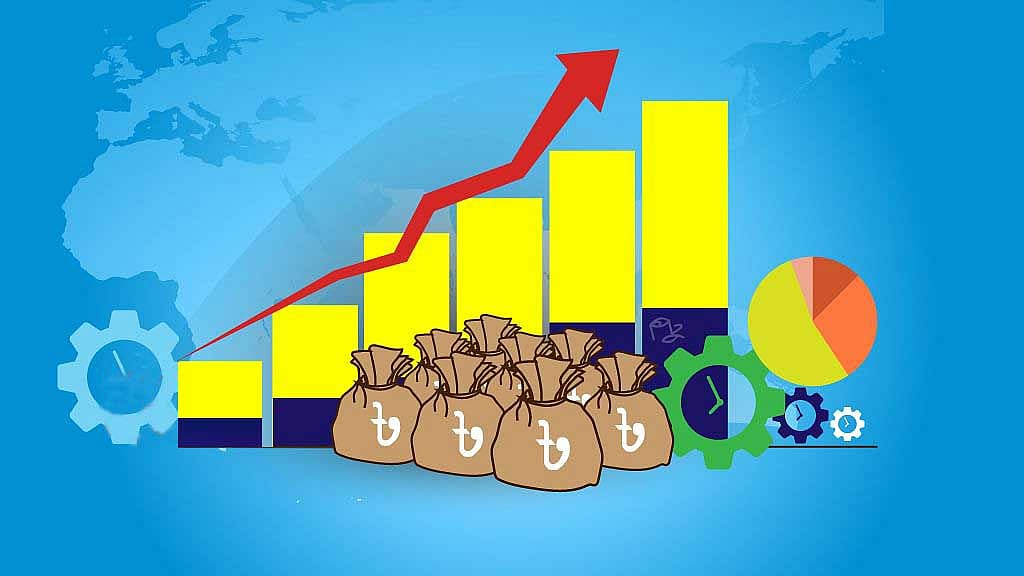
Economists argue that reviving investment, stimulating business activity and strengthening revenue collection will be critical if Bangladesh is to regain momentum.
Former Bangladesh Bank chief economist and former BIDS director general Mustafa K Mujeri believes the economy has been trapped in a prolonged slowdown that worsened during the interim period.
"The economy has been in recessionary conditions for a long time. Revenue collection has suffered as a result. During the interim government's tenure, the slowdown deepened," he told bdnews24.com.
"Efforts to reform the revenue board created additional instability. Revenue declined while government expenditure increased. The imbalance between income and expenditure widened."
The widening gap has increasingly pushed the government towards bank borrowing.
"The interim government left behind a large fiscal deficit. The new government came to power facing a major shortfall from day one," Mujeri said.
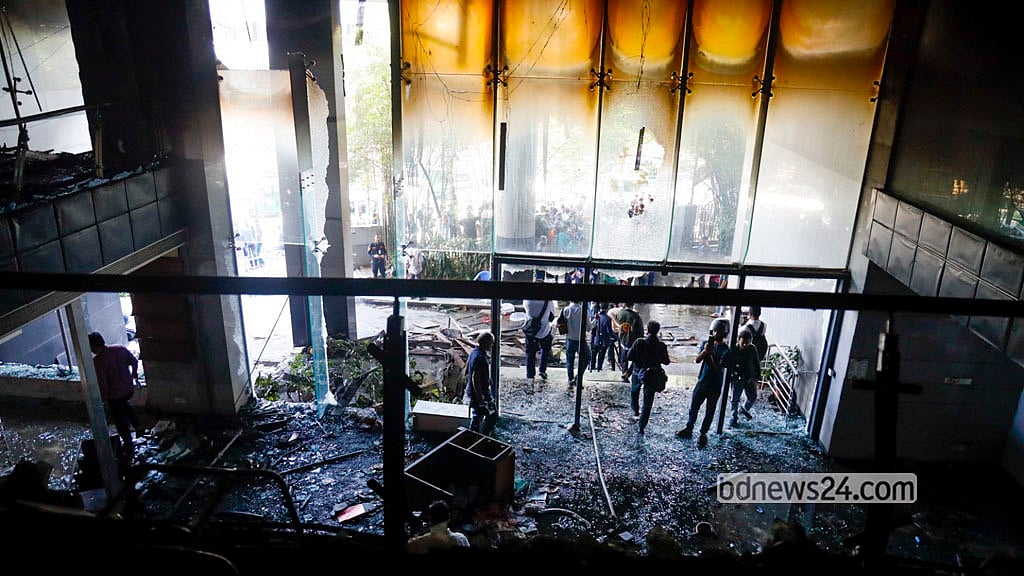
He warned that a political government naturally faces greater spending demands.
"Revenue is down while expenditure is up. To finance the deficit, the government must borrow from banks. But the banking sector itself has been weakened by looting and mismanagement.
“If banks provide large amounts of financing to the government, credit to the private sector will suffer. The government is now facing a dilemma on both fronts."
His prescription is straightforward: restore political stability quickly and rebuild investor confidence.
"Entrepreneurs must feel confident enough to invest. At the same time, efforts should focus on increasing foreign investment and remittance inflows. A more vibrant economy will eventually generate higher revenue."

Remittances Provide a Lifeline
If one economic indicator has consistently offered encouragement, it is remittances.
Even amid the Iran conflict and wider uncertainty in West Asia, overseas Bangladeshis continue to send money home at record levels.
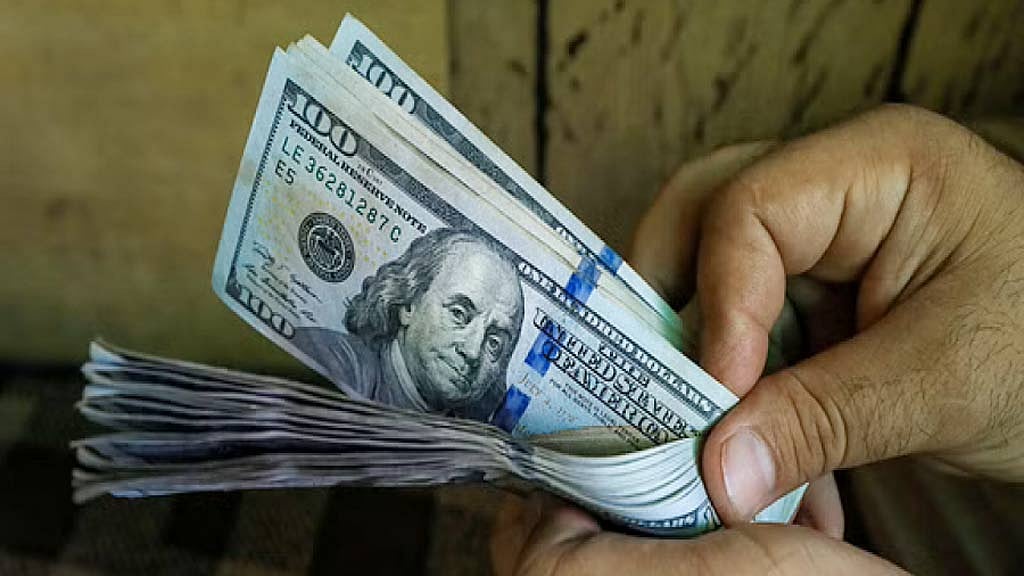
Remittances reached nearly $3.5 billion in May, the second-highest monthly figure on record. Only March, when expatriates sent $3.75 billion, exceeded it.
Bangladesh has now received more than $3 billion in remittances for six consecutive months.
During the first 11 months of fiscal year 2025-26, remittance inflows totalled $32.75 billion, already exceeding the entire previous fiscal year's total by 8 percent.
Bangladesh Bank Executive Director and spokesperson Arief Hossain Khan believes total remittances could approach $36 billion if current trends continue through June.
"There were concerns that the war would reduce remittance inflows. So far, that has not happened," he said.
Reserves Holding Firm, but Questions Remain
Strong remittance inflows have helped keep foreign exchange reserves at relatively comfortable levels.
As of Thursday, reserves stood at $30.16 billion under the BPM6 calculation method and $34.82 billion on a gross basis.
Bangladesh Bank has also boosted reserves by purchasing $6.42 billion from commercial banks during the fiscal year.
At current levels, reserves could finance more than five months of imports, comfortably above the international benchmark of three months.
Yet economists caution against complacency.
Mustafizur Rahman, distinguished fellow at CPD, notes that investment recovery would inevitably increase imports and place fresh pressure on reserves.
"Investment is currently weak. If investment accelerates, imports will rise and reserves will decline. We cannot rely on remittances alone. Export earnings must increase as well," he said.
Export Recovery Falters
So far, however, the export sector has offered little support.
After a brief recovery in April, exports fell again in May.
Bangladesh earned $4.40 billion from merchandise exports during the month, down 7.07 percent from a year earlier.
For the first 11 months of the fiscal year, export earnings declined 2.58 percent to $43.8 billion.
The downturn has been driven largely by weaker performance in the garment sector, Bangladesh's largest export industry.
Former BGMEA president and current Bangladesh Chamber president Anwar-Ul-Alam Chowdhury Parvez described the cumulative impact of multiple global shocks.
"Since the COVID pandemic in 2020, we have been hit by one shock after another," he said.
"After COVID came [Russia’s military campaign in Ukraine], domestic political instability and changes in government. Now we have the Iran war. In between came the Trump tariffs. Altogether, we are uncertain about where things are heading."
Fresh concerns emerged after Washington proposed additional tariffs on countries, including Bangladesh, that have failed to meet forced-labour reduction targets.

Inflation Refuses to Retreat
While exports struggle, inflation remains one of the biggest burdens on households.
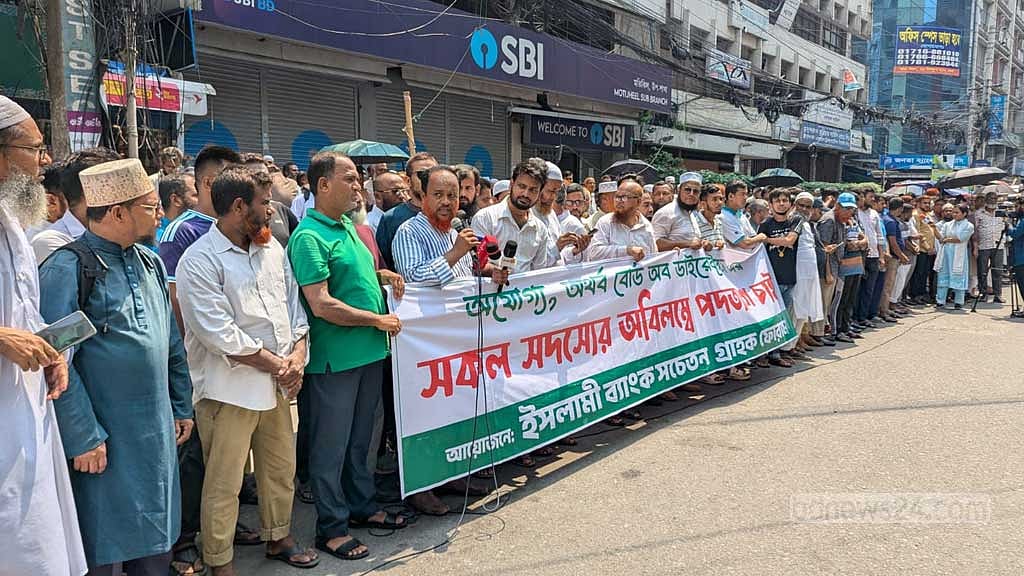
According to the Bangladesh Bureau of Statistics, point-to-point inflation rose to 9.42 percent in May, up from 9.04 percent in April.
The increase marked the second consecutive month of acceleration after inflation had briefly eased in March.
Successive governments have repeatedly failed to meet inflation targets. The interim administration aimed to bring inflation down to 6.5 percent, but average inflation remained 8.59 percent through April.
Officials now hope to reduce average inflation to 7.5 percent in the coming fiscal year.
Yet higher fuel prices, rising electricity tariffs and a new public-sector pay scale scheduled to take effect from Jul 1 could add further pressure.
Revenue Shortfall Deepens
Few indicators illustrate the government's difficulties more clearly than tax collection.
The National Board of Revenue (NBR) has missed targets by more than Tk 1 trillion during the first 10 months of the fiscal year.
Against a target of Tk 5.03 trillion, the NBR collected only Tk 3.27 trillion between July and April.
To meet its annual goal, it would need to collect more than Tk 1.76 trillion in May and June alone -- an outcome widely regarded as impossible.
Former NBR chairman Mohammad Abdul Mazid believes structural reforms are unavoidable.
"Achieving such ambitious revenue targets under the current system will be extremely difficult," he said.
"The NBR formulates policy and collects taxes at the same time, creating accountability problems. Opportunities for arbitrary decision-making remain. Revenue reform is essential."
Banks, Investment and Growth
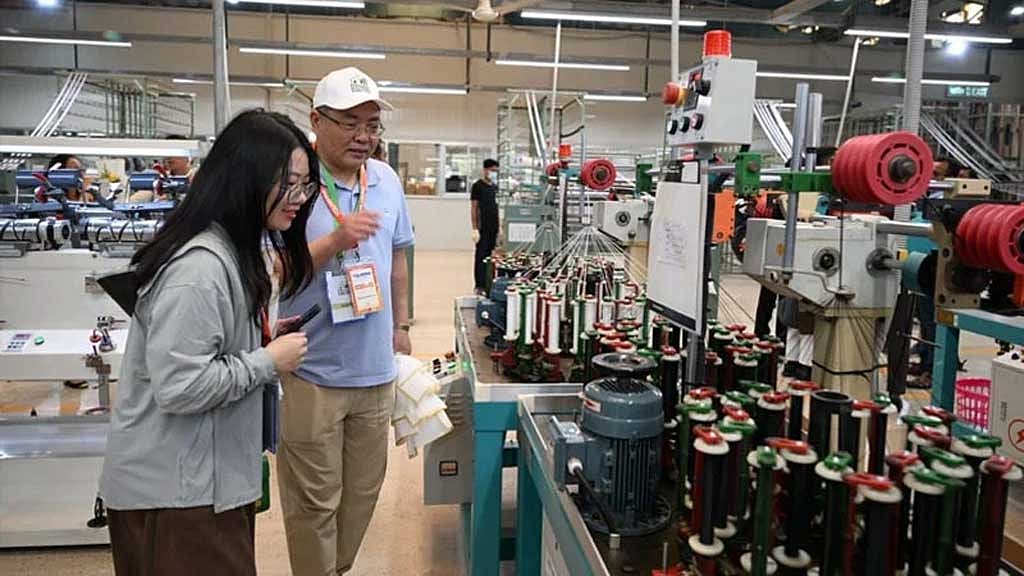
Despite reform efforts under the interim government, the banking sector remains under severe strain.
Non-performing loans climbed to Tk 5.89 trillion by March, accounting for 32.26 percent of all outstanding loans.
At the same time, investment activity remains depressed.
Private-sector credit growth fell to just 4.72 percent in March, the lowest level in Bangladesh's history.

Foreign direct investment also declined sharply, dropping 23.56 percent to just over $1 billion during the first nine months of the fiscal year.
The weak investment environment has translated into fewer jobs. BBS data show unemployment rose to around 2.7 million people in 2024.
To revive economic activity, the new central bank governor has announced a Tk 600 billion fund to help restart closed factories, offering loans at 7 percent interest.
Economists, however, urge caution.
"Only firms genuinely capable of returning to production should receive support," Mustafizur said. "Otherwise, politically motivated lending could create a new wave of bad loans."
Growth Slows as Debt Pressures Mount
Development spending has also lagged.
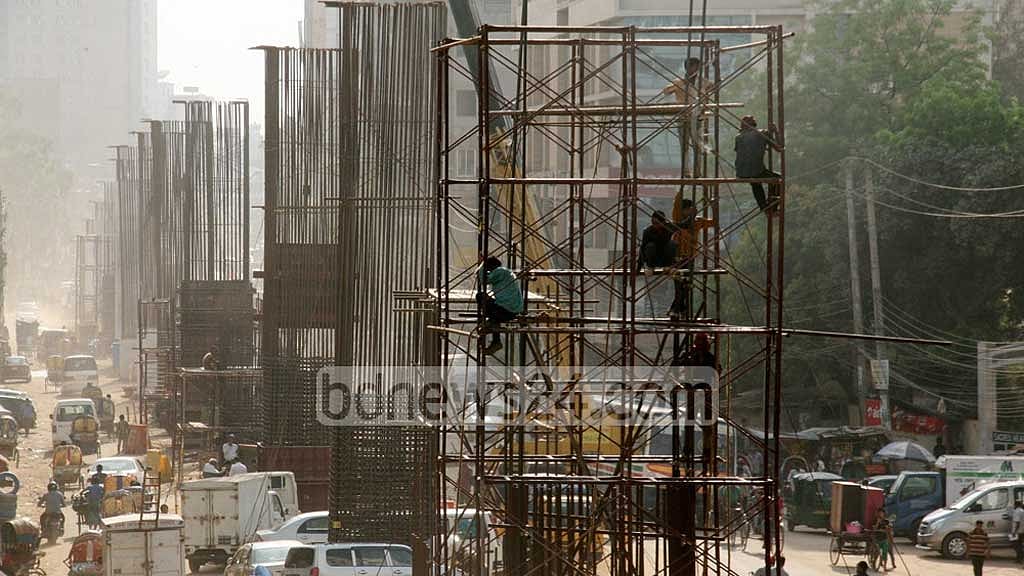
Only 41.41 percent of the Annual Development Programme had been implemented during the first 10 months of the fiscal year.
Foreign borrowing offers little relief. Bangladesh received $4.24 billion in external loans during July-April but paid back $3.80 billion in principal and interest, leaving only a modest net benefit.
SANEM Executive Director Selim Raihan warned that rising debt-servicing obligations are becoming a serious concern.
"Many large projects were financed through external borrowing without clear assurance of economic returns. If Bangladesh must borrow simply to repay previous loans, that should be a matter of concern."
The broader growth picture remains equally subdued.
GDP growth slowed to 3.03 percent in the second quarter of the fiscal year, down from 4.5 percent in the first quarter.
Fitch Ratings recently revised Bangladesh's economic outlook from "stable" to "negative" and forecasts growth of 3.7 percent this fiscal year.
For a country that once recorded growth above 8 percent, the contrast is stark.
The economy has avoided a crisis. Remittances remain strong, reserves are holding and political uncertainty has eased.
But as Bangladesh prepares for a new budget and a new fiscal year, economists say the challenge is no longer merely stabilisation. It is restoring growth, confidence and investment before temporary weaknesses harden into long-term constraints.