


Published : 01 Jan 2016, 11:59 AM
Updated : 08 Aug 2022, 03:30 PM


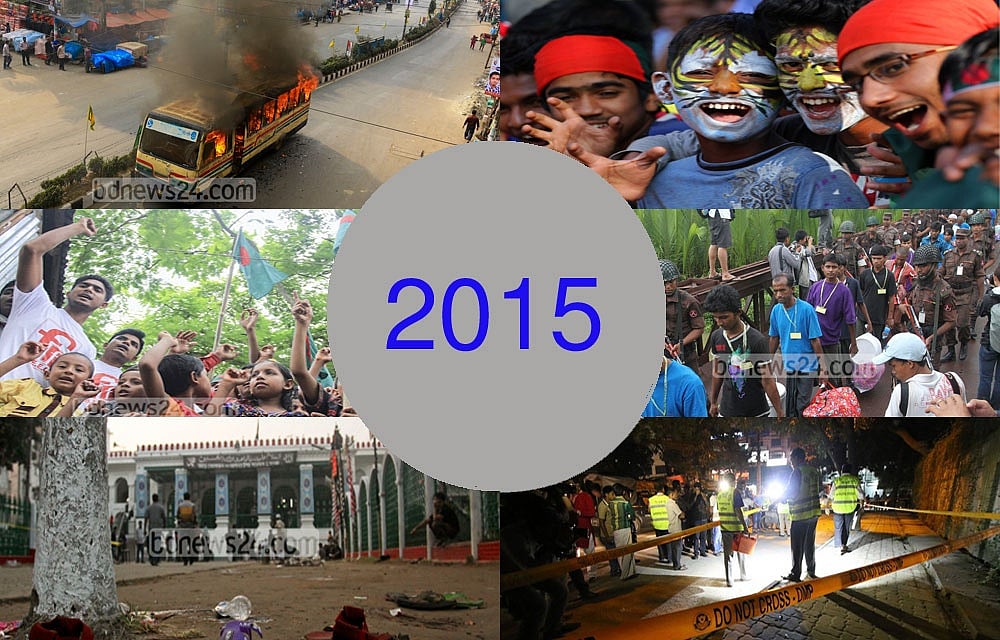
The fear faded three months later with over 100 lives lost, but there was no respite.
Panic gripped Bangladesh when bloggers came under attack, one being slain after another.
The fear reached another dimension with the killings of foreigners and attacks on minorities.
Here are the incidents that caught attention in 2015:
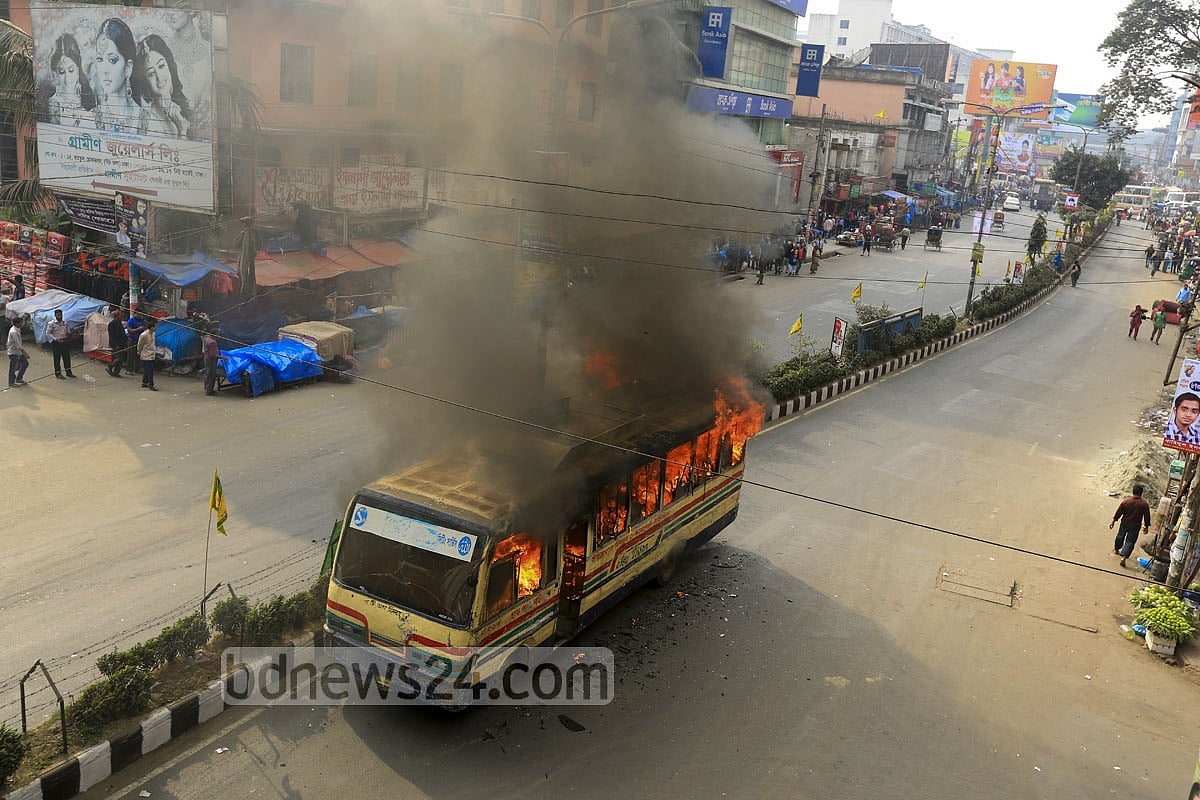
BNP Chairperson Khaleda Zia called a blockade on Jan 5, the first anniversary of the last general election boycotted by the party.
The party enforced shutdowns along with the blockade for three months.
Over 100 people died in the violence, most were burnt alive in petrol-bombing of vehicles.
Khaleda, staying in her office since two days before the announcement of the blockade, became a subject of discussion.
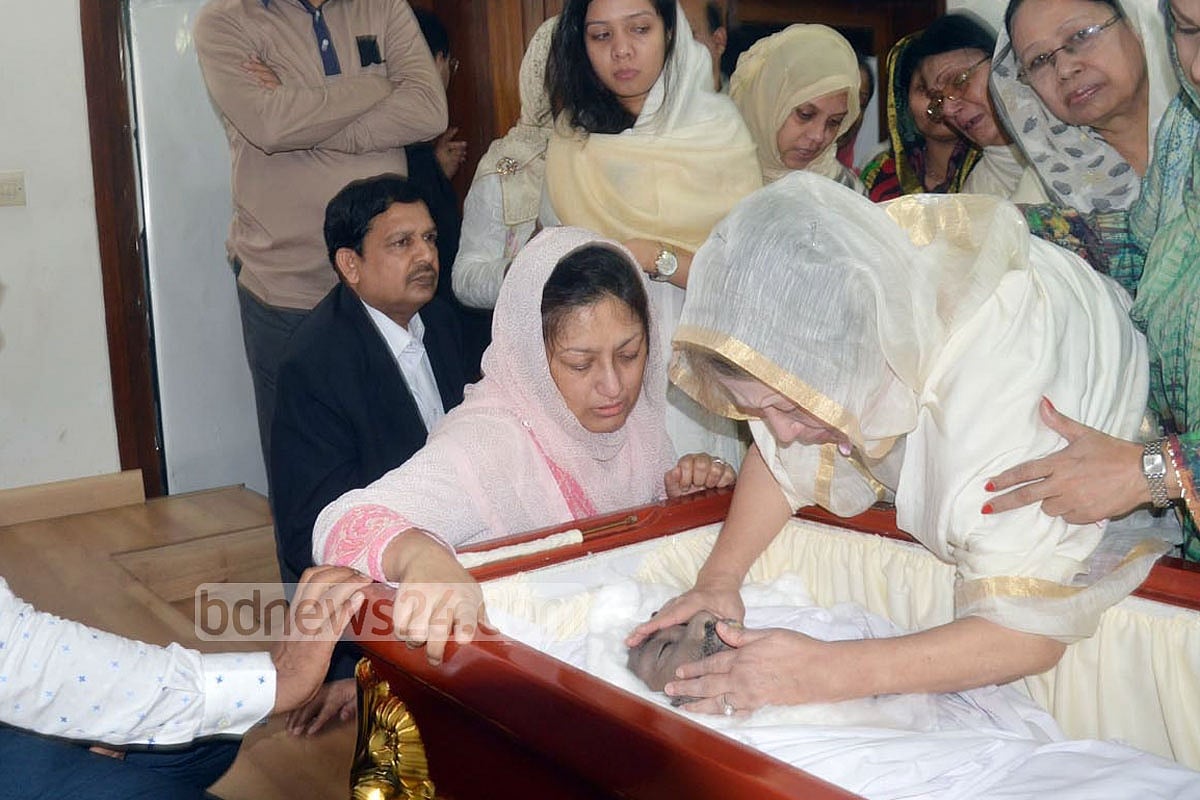
Her son Arafat Rahman Coco died in Malaysia at the end of January, but she saw his body without leaving her office.
She did not leave on Language Movement Day on Feb 21, nor on Independence Day on Mar 26.
A court issued an arrest warrant for her on Feb 25 when she skipped hearings in graft cases.
Khaleda returned home on Apr 5, ending the blockade without any 'result'. The BNP did not officially announce the end of the blockade.
In October, when the UK issued an alert for its citizens while travelling in Bangladesh, the party's spokesman Asaduzzaman Ripon said the blockade had been withdrawn.
Earlier, the party boycotted the city corporation polls on Apr 28 halfway through voting, alleging vote rigging.
Murders, attacks
Writer-blogger Abhijit Roy, a naturalised US citizen, came to Bangladesh for the Amar Ekushey Book Fair, only to be killed by fanatics.
His wife Rafida Ahmed Bonya lost a thumb in the attack near the Teacher-Student Centre on the Dhaka University campus on Feb 26.
That was only the beginning.
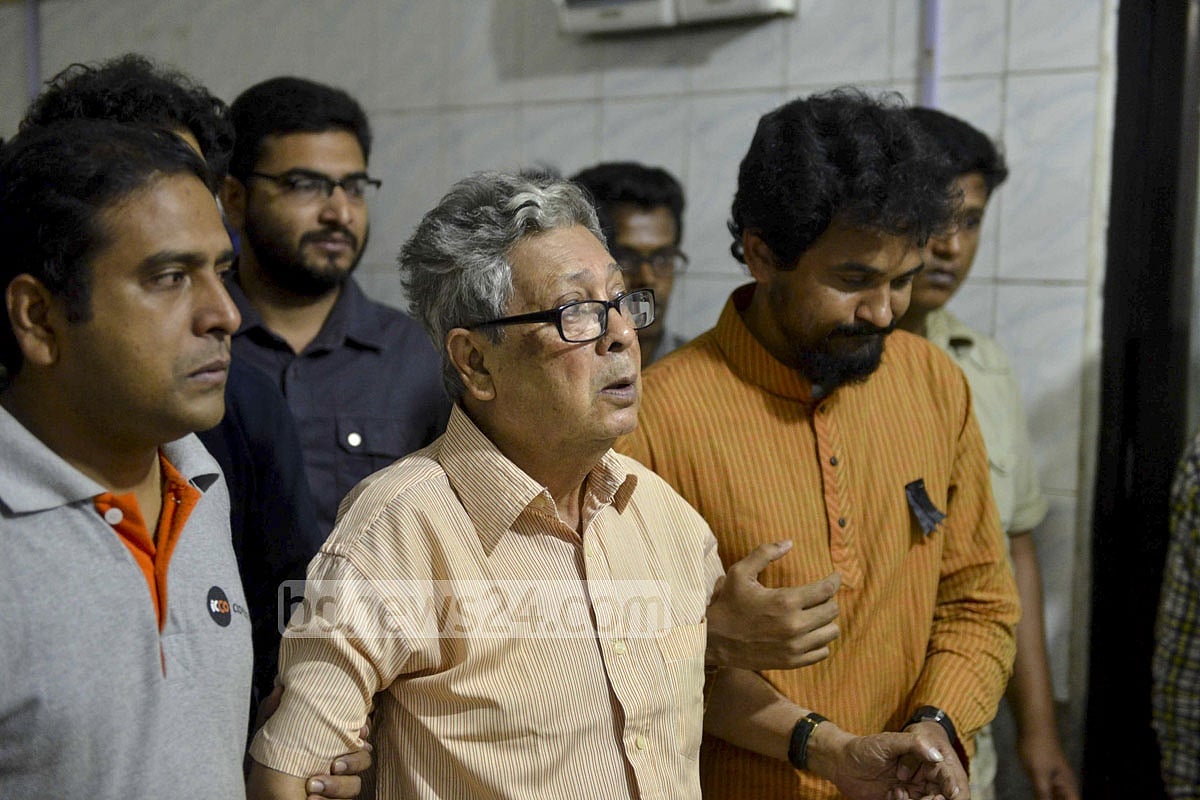
Two of Roy's publishers also came under similar attack.
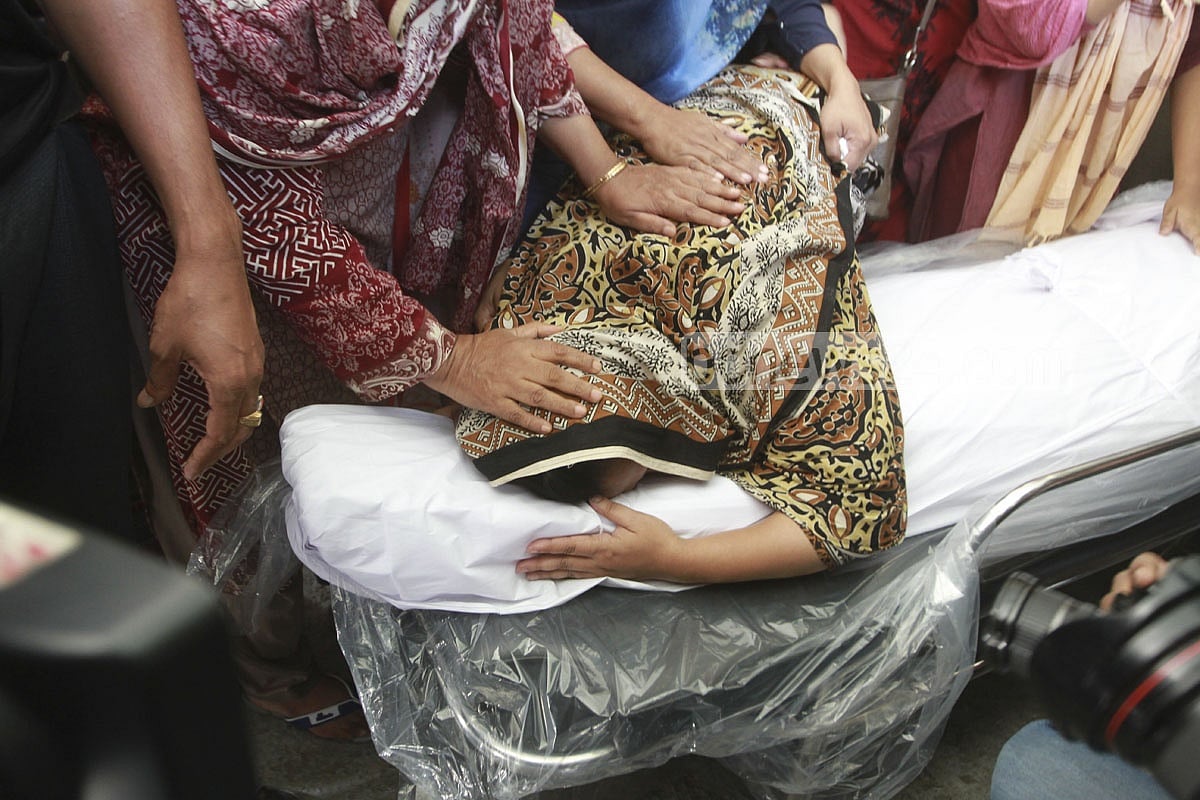
Faisal Arefin Dipan of Jagriti Prokashony died in an attack in his office in Shahbagh on Oct 31.
Another publisher, Ahmedur Rashid Tutul, and two writers and bloggers came under attack in Dhanmondi on the same day.
On Oct 28, Italian aid worker Cesare Tavella was gunned down in Dhaka's diplomatic zone Gulshan.
A week within the murder of Tavella, Japanese farmer Kunio Hoshi was killed in the same way in Rangpur.
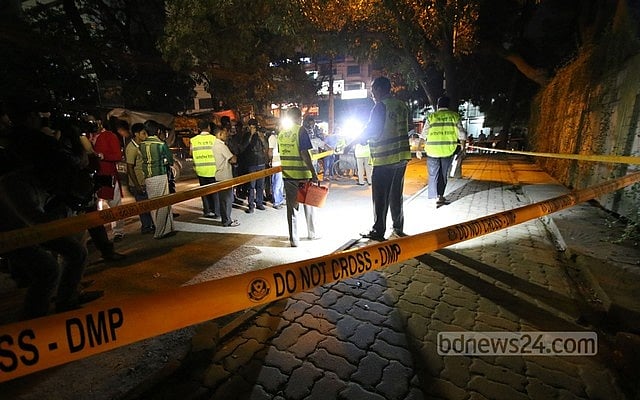
Only 13 days later, Industrial Police Constable Mukul Hossain was hacked to death in a checkpost at Ashulia in Savar. Four other policemen were also wounded.
The blasts in a Shia gathering just before the annual Tajia procession left one dead and around 100 injured on Oct 24.
Shooting in a Shia mosque in Bogra left one dead slightly over a month later.
In Dinajpur, Italian priest Piero Parolari was shot at and wounded on Nov 18.
An attack on a mosque in Chittagong's Isa Khan Naval Base left six injured on Dec 18.
On Dec 25, a suicide attack took place in an Ahmadiyya mosque. The attacker died and several were injured.
Middle-East-based radical group Islamic State purportedly claimed credit for most of the attacks.
The government and law-enforcing agencies, however, denied IS presence in Bangladesh.
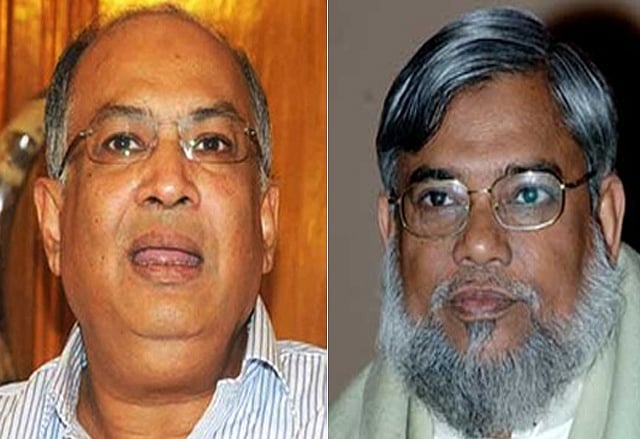
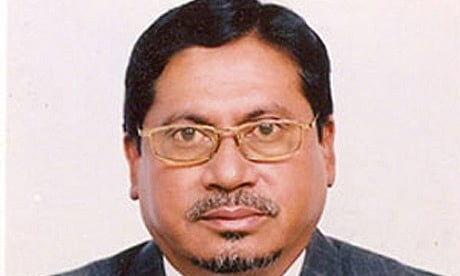
Three top war criminals were executed in the year.
On Nov 22, Al-Badr commander Jamaat-e-Islami secretary general Ali Ahsan Mohammad Mujahid and BNP Standing Committee member Salauddin Quader Chowdhury were hanged for their crimes against humanity committed during the War of Independence in 1971.
Earlier in April, Jamaat assistant secretary general Mohammad Kamaruzzaman was hanged for similar crimes.
The verdict of Jamaat chief Motiur Rahman Nizami's appeal against his death sentence will be delivered on Jan 6.
Of the 21 verdicts handed down by the International Crimes Tribunal since its constitution in 2010, six were pronounced this year.
End of enclaves
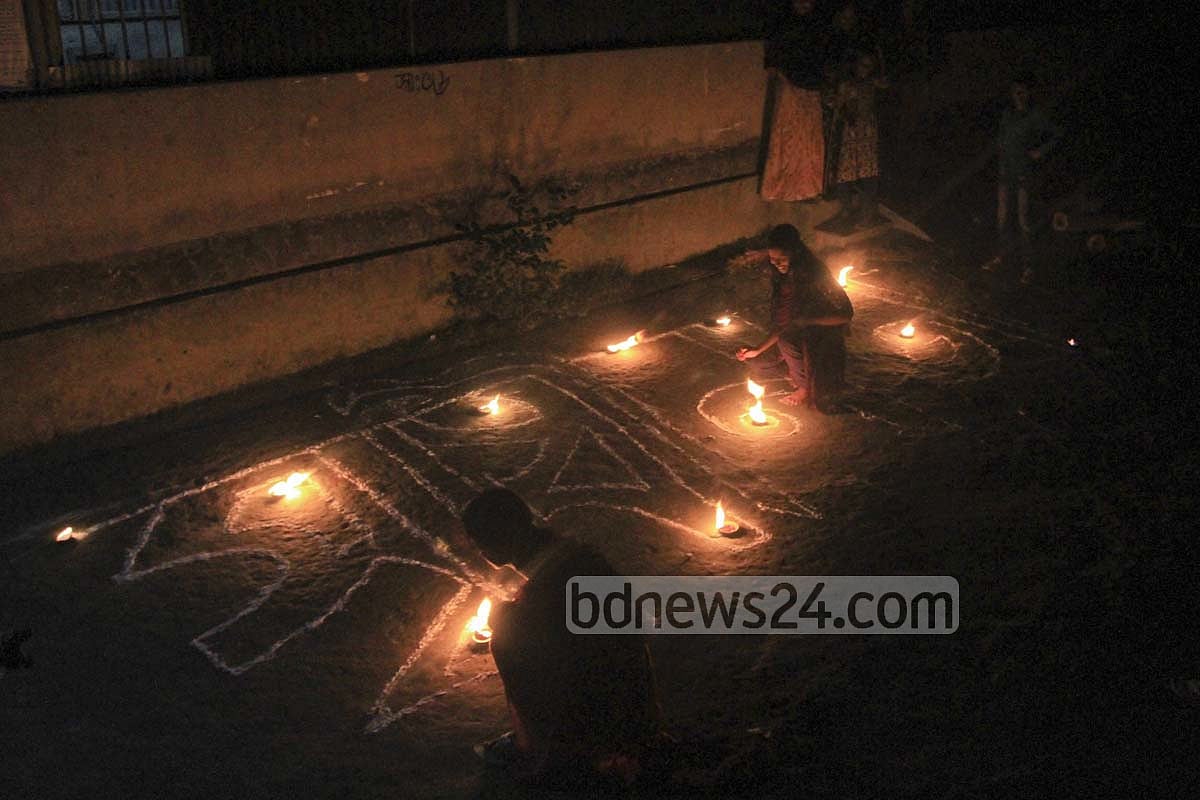
As per the Land Boundary Agreement between the two neighbours, some 17,160 acres of Indian land within Bangladesh territory became part of Bangladesh.
Similarly, 51 Bangladeshi enclaves, comprising over nearly 7,110 acres within India, became part of India.
A joint India-Bangladesh census in 2011 found that Bangladeshi enclaves had around 14,000 residents, while those of India had 37,000.
Perilous voyages
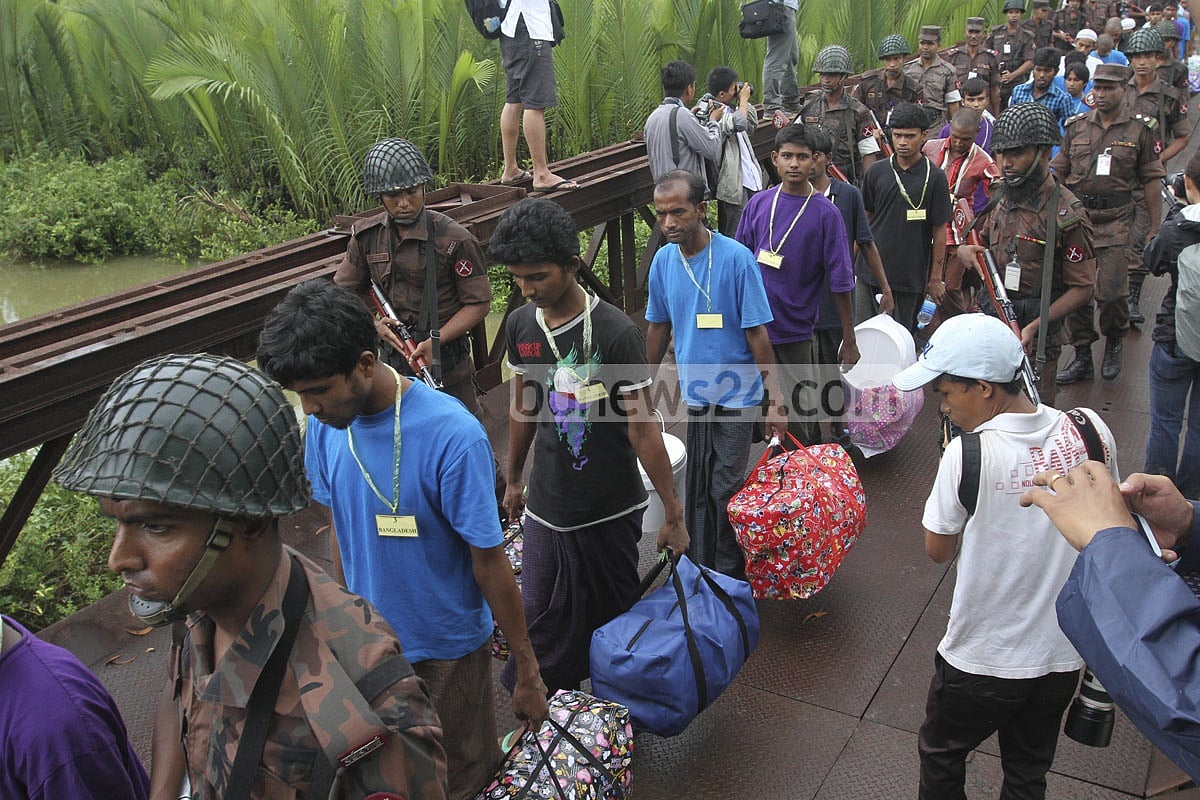
Several mass graves of such migrants were discovered in Thailand and Malaysia, prompting a crackdown on human trafficking.
According to the UN, around 25,000 Bangladeshis and Myanmar Rohingyas were trafficked in the first three months of 2015.
Bangladesh brought back several of them, picked up by the Myanmar Navy in the Bay of Bengal.
Politicians caught in controversy
Several politicians made headlines for their involvement in incidents, though not of any political nature.

He was found in India two months later.
He is being tried there on charges of trespassing.
Awami League General Secretary Syed Ashraful Islam was removed from the local government ministry in July and replaced by Khandaker Mosharraf Hossain.
Syed Ashraf was given the charge of the public administration ministry within a week.
Khandaker Mosharraf, father-in-law of Prime Minister Sheikh Hasina's daughter Saima Wazed, was in the news because of a Facebook post by journalist Probir Shikder.
The journalist alleged the minister had threatened him with death.
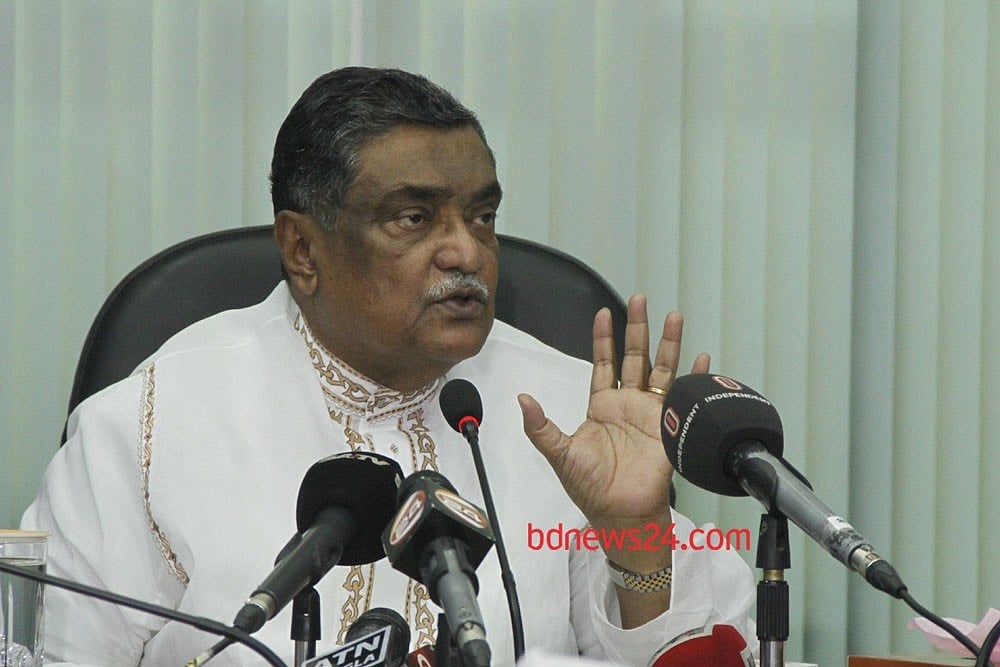
Awami League MP Pinu Khan's son Bakhtiar Alam Rony was named in the case.
Investigation revealed that an inebriated Rony, irritated by a traffic jam, had fired from his firearm, killing the two.
In Magura, Nazma Begum, in an advanced stage of pregnancy, sustained bullet injuries during a clash between two groups of pro-government activists on July 23.
The baby in the womb was also injured. Doctors conducted the delivery that very day.
Both mother and daughter survived.
A nine-year old boy, Shahadat Hossain Sourav, was shot in his legs, allegedly by Gaibandha MP Manjurul Islam Liton on Oct 2.
Liton was arrested after Sourav's father filed a case, but later walked out on bail.
Fastest trial for child murder
The murder of two children within a month and the molestation of women on the Bangla New Year’s Day caused nationwide outrage.
Six people were sentenced to death on Nov 7 for the killing of two boys—Rajan, in Sylhet, and Rakib, in Khulna.
Rakib, the Khulna boy, died when his killers pumped high pressure air into his body with the nozzle of a compressor machine inserted in his rectum.
The verdicts came exactly three and four months after the two incidents, something unheard of in Bangladesh’s judicial history.
A group of youths sexually harassed women in a crowd during the Bangla New Year celebrations on Apr 14. The incident occurred near the Suhrwardy Uddyan next to Dhaka University’s TSC.
Police chief later announced the arrest of eight of the harassers, based on information gathered from CCTV footage.
But police submitted its final report towards the end of the year, saying those involved could not be identified.
Students force VAT withdrawal
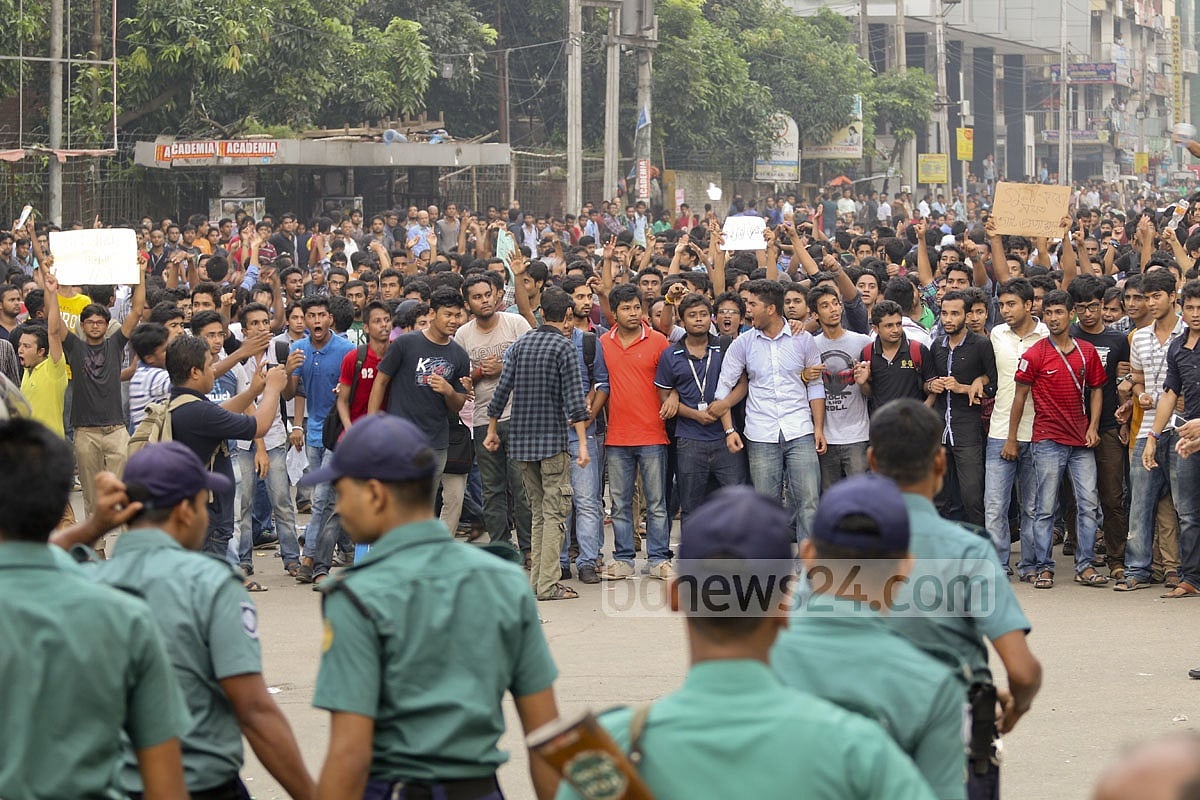
The government, in an effort to defuse tension, announced that the onus of paying VAT did not lie with the students but with their institutions.
But the assurance failed to make a difference. The agitating students virtually paralysed the capital on Sep 14, forcing the government to drop the tax.
Teachers of public universities, too, were on the march against a new pay scale announced by the government. The movement was called off following the finance minister’s assurance that their demands would be looked into.
But the teachers resumed their agitation, accusing the minister of going back on his word, once the scales were gazetted without alteration. They also threatened to shut down all universities if their demands were ignored.
Shahjalal Science and Technology University Vice Chancellor Aminul Huq’s resignation over charges of corruption, and an attack by Chhatra League activists on teachers and students protesting against the resignation, were discussed nationally.
Social networking sites blocked

The government said the move, taken after the killing of two foreign nationals and an attack on a police checkpoint, was aimed at cutting communication channels among militants and terrorists.
Facebook was restored on Dec 10 after a suspension of 22 days.
But three days later, on Dec 13, Twitter, Skype, and Imo were also jammed. However, all social networking sites were unblocked the next day.
For about an hour and a half, Bangladesh lost its link with the World Wide Web the day the social networking sites were shut down in the country.
Human chains were formed in several places, demanding the restoration of the sites. Many found their own means of using Facebook despite the official clamp on it.
The restrictions on the Internet and the networking sites adversely impacted outsourcing, online marketing, and other business activities.
Viber, Whatsapp, and several other multimedia applications had also been sealed during the shutdowns and blockades enforced by the BNP-led 20-party alliance during the early part of the year.
Bangladesh’s year in cricket
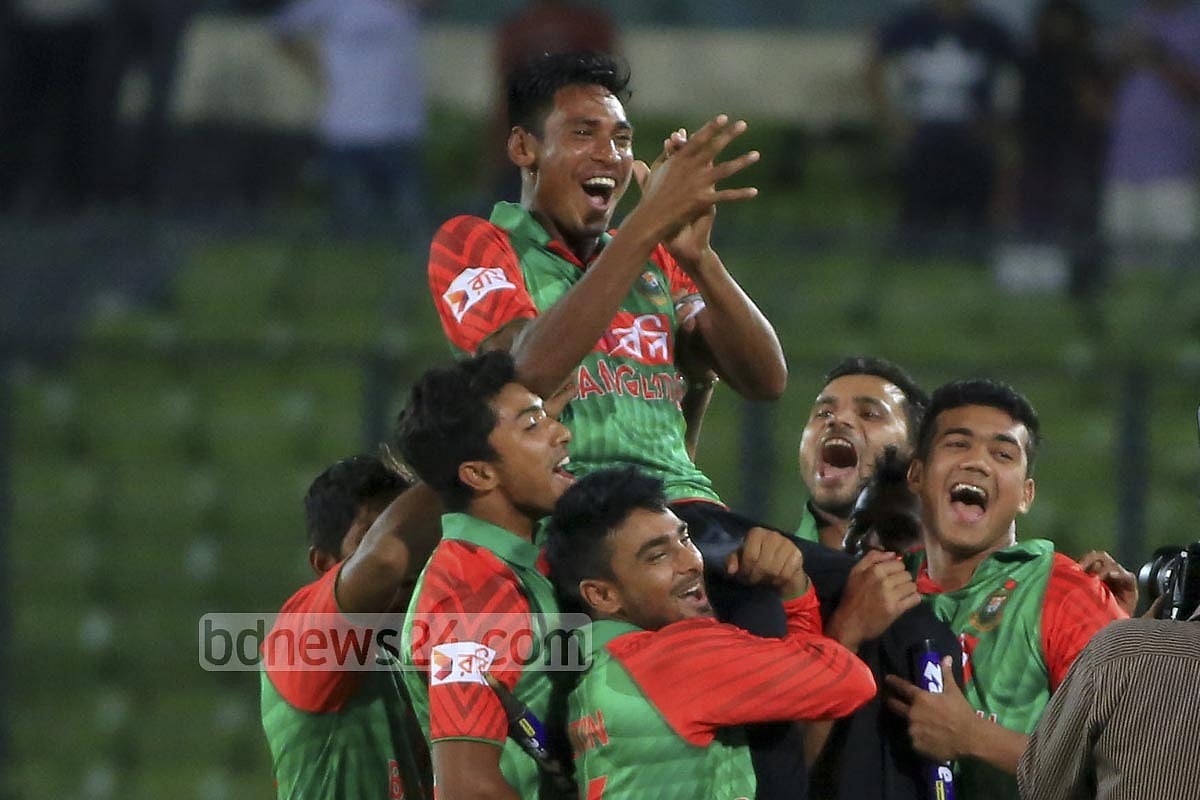
There was hope as well as apprehension. The unfavourable wickets in Australia and New Zealand, and the memory of a poor showing in 2014 had added to the worries.
But Bangladesh emerged in a new avatar in the cricket’s world fair in February-March.
After winning two matches against Afghanistan and Scotland that had played on their nerves, Bangladesh beat England in a scintillating game to reach the quarter-finals, the country’s biggest cricketing achievement so far.
But they lost on its way to the semi-final in a highly controversial match against India.
Reaching the quarter-finals was the most significant achievement for Bangladesh cricket. But the success trail lasted well beyond the World Cup.
Pakistan was Bangladesh’s first victim after the World Cup. The Tigers had waited 16 years for a win against that country. Finally, the team led by Mashrafe Bin Mortaza trounced Pakistan in a one-day series on home ground. Bangladesh also won a T20 match.
The Test in Khulna was drawn, thanks to a record partnership between Tamim Iqbal and Imrul Kayes.
With the country still savouring that taste of success came a first-ever one-day series win against India. Left-handed pacer Mustafizur Rahman created history on his debut.
After its victory against the two cricketing giants, Bangladesh also humbled South Africa, considered one the world’s most professional teams.
There was a test of nerves soon after this series hat-trick. Australia called off its tour, citing security reasons, prompting an invitation to Zimbabwe.
As was expected, Mashrafe and his boys wrapped up the year with another story of success.













