Published : 22 Oct 2026, 10:15 AM
Updated : 22 Oct 2026, 10:15 AM


Most of the footpaths around the Mirpur-10 roundabout have stayed clear of hawkers weeks after an eviction drive.
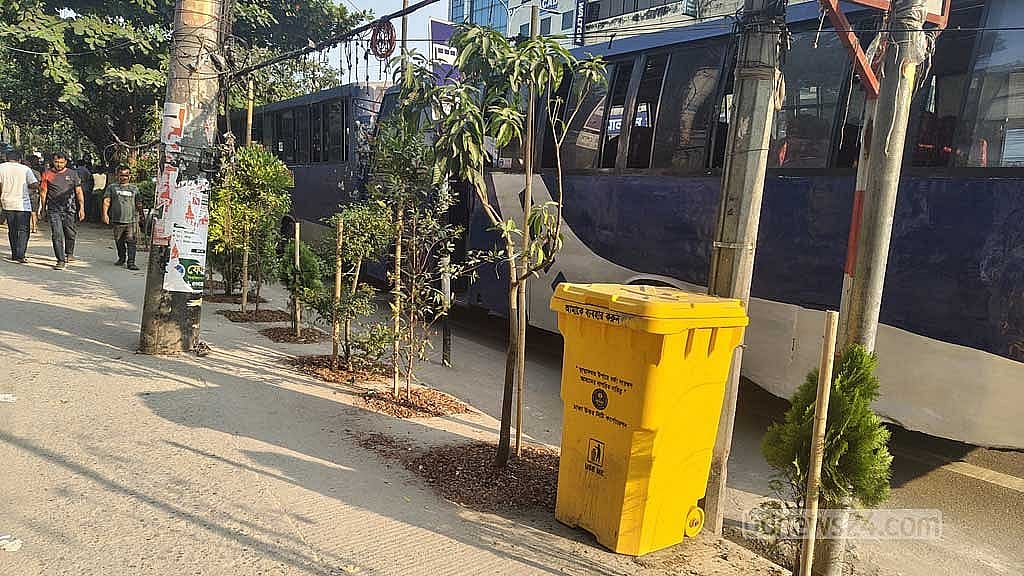
Since the drive on Sept 30, the Dhaka North City Corporation (DNCC) has planted trees in places and put up dustbins.
Pedestrians still speak of relief 20 days on. Their one worry is that a few hawkers have already started setting up again in certain spots, and they fear the numbers will grow with time.
Those hawkers say they know it is illegal, but they have no other way to earn a living.
The DNCC launched the drive against illegal footpath occupation around 9:30am on Sept 30, on the road from Mirpur-10 roundabout towards Hope Market.
An excavator snapped an electric wire while clearing shops beneath Baitul Quddus Jame Mosque Market during the drive, sparking a fire.
Hawkers then clashed with police and city corporation workers, throwing brickbats while police fired tear gas.
Three DNCC garbage trucks were set on fire in the clashes. A police vehicle, an excavator and several buses were also vandalised, and journalists were allegedly attacked.
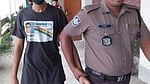
Police arrested several people in four cases over the incident.
A visit to Mirpur-10 on Sunday, Oct 18, 18 days after the drive, showed a large section of the footpath still clear, with none of the old displays. Pedestrians were able to walk without obstruction.
Hawkers would sit at different points around the roundabout, on the footpath in front of Hope Market and along nearby roads.
On Sunday, women hawkers were seen at a few spots at the entrance to the road beside the market, and a few people were hawking goods around the roundabout.
“We couldn’t find space to walk on the footpath before. We had to step onto the main road because of the shops. Now we can move about in relative comfort. But if hawkers start setting up again, the old problem will return,” said Shihab Uddin, a pedestrian.
Another pedestrian, Raima Tanzila, said: “A footpath is for people to walk on. Everyone benefits when it stays clear. Eviction alone isn’t enough, there has to be regular monitoring. I can already see many hawkers trying to set up here and there.”
Kazi Mustafizur Rahman, a pedestrian, welcomed the trees and dustbins. “It’s pleasant to walk when the footpath is clean. Trees have been planted and dustbins put in. When the trees grow, the whole environment will change.”
‘Where Will We Go, What Will We Eat?’
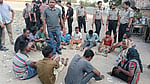
Many hawkers are unwilling to give up the footpath. Among them is Shilpi Begum, who says she has sold clothes on the Mirpur-10 footpath for 17 years.
“I’ve spent my life here. I can’t make ends meet. Where will I go? Let them beat me if they want,” she told bdnews24.com.
A woman with her said: “We don’t set up all the time. We come and sit when we get a chance. When police chase us, we leave.”
A woman identified only as Rabeya said: “I have nobody in this world. Who will feed me? If I’m not allowed to sit here, how will I eat?”
Ahmed was selling chips by the roadside. “We don’t use vehicles, but we don’t stay in one place either. I’m here now, and in 10 minutes I’ll move somewhere else.”
A man who identified himself as a trader at Fahad Market in Mirpur-10 said not all hawkers should be seen as poor.
“Look into it, none of them are poor. Most of them earn more in a month than many people who go to offices in suits and ties,” he told bdnews24.com.
Hawkers Struggle to Make Ends Meet
The DNCC had issued digital identity cards, or “Hawker Cards”, to 202 hawkers in the Mirpur area. One of them is Mizanur Rahman.
“I brought in goods worth Tk 147,000 the day before the drive. The stock is lying unsold at home. They couldn’t take mine, but they took goods worth Tk 300,000 to Tk 400,000 from many hawkers. I’m getting by on borrowed money now. I have three children. How will I keep them alive?” he told bdnews24.com.
Four cases were filed over the clashes, three at Mirpur Model Police Station and one at Kafrul Police Station.
Police are the complainants in two of the Mirpur Model cases and the DNCC in the third.
The DNCC is also the complainant in the Kafrul case, over the burning of vehicles. Between 400 and 500 people, named and unnamed, are accused in the cases.
Hawkers also fear arrest in these cases if they set up shop again.
Mizanur said, “Many try to sit here and there with a few small items. Since mine is a cloth business, I can’t even do that. And if police catch me, my name will be added to all the cases at once.”
Ayub Ali, a traffic policeman on duty at the Mirpur-10 circle, said of the footpath: “They don’t sit. Sometimes they sit here and there. We are continuing our work.”
Plans, Monitoring
Told that a few hawkers were still trying to set up in isolated spots, DNCC Chief Waste Management Officer Abdur Razzak said: “Four people have been assigned there to manage this. I’ll check once more.”
On hawker control overall, he said: “There are some more targets ahead, but we have to consider the hawkers too. If we drive them out of everywhere, how will they earn a living? We’ll decide according to the plan.”
Md Asaduzzaman, the DNCC’s chief executive officer (additional charge), told bdnews24.com: “The city corporation will continue activities that are good for city residents.”
Asked about the next step in the eviction drive, he said: “Of course we will do what is good for city residents. There is no doubt about that. The plan definitely exists. You can see it. The work will go on, In Sha Allah.”
The hawkers, however, are taking different preparations, said Abul Hashem Kabir, president of the Bangladesh Hawkers Union.
“If the hawkers at Mirpur-10 quickly meet and reach a decision, we will hold a programme there. Then we will submit a memorandum to the DNCC administrator on their behalf. After that, we will see how things stand,” he added.
Footpath Is Not a ‘Hawker Path’
Urban planner Adil Muhammed Khan considers the move to evict hawkers from the Mirpur-10 footpaths the right step.
He stressed the need for a clear plan, monitoring and involving local traders to sustain the gain.
“If the state has the political will and the desire to do something good for the public, it can do any good work, he said. “After the excesses of hawkers over the past 15 to 20 years, we have forgotten that footpaths are for walking.”
“Putting hawkers on footpaths is not the solution to Dhaka’s poverty. Dhaka’s footpaths cannot hold all of Bangladesh’s poor. It is called a footpath, not a hawker path.”
Arguing against treating all evicted hawkers alike, he said: “The DNCC should gradually make public its plan for hawkers across its whole area. What has happened so far could be encouraging for the DNCC.
“If it wants, it can hold on to this. It is not just a temporary success, holding on is possible.”
Adil urged relying not only on police monitoring but also on involving regular, legitimate shopkeepers in the area.
“If we can involve the community and the regular shopkeepers nearby, I think the effort can be made sustainable,” he said.
Calling on the authorities to make their position on keeping footpaths clear plain, he said: “There is no scope to allow any hawkers who want to come back onto the main roads where we have won the footpaths back.”
He said the government may have alternative plans for hawkers, but that should not mean letting them occupy footpaths.
“The government’s philosophy should be that a footpath is for walking, not for hawkers. Programmes like social safety nets or the Family Card could be used to help poor hawkers,” he added.