


Published : 02 Feb 2021, 02:21 AM
Updated : 03 Aug 2022, 01:43 PM


But just as the hopes of sending the refugees back to their homeland were boosted by talks mediated by China, Myanmar has now been thrown into political turmoil after its government was overthrown in a military coup.
Despite the upheaval, analysts and former diplomats do not believe the change of power in Myanmar will alter the country's position on the Rohingya issue.
The military had been calling the shots from behind the scenes even while the deposed civilian leader Aung San Suu Kyi was in power, they argued. The only difference now is that the military has come to the forefront.
However, the analysts have urged the government to gauge the international reaction to Myanmar's military-led government.
Imtiaz Ahmed, professor of international relations at Dhaka University, said: "Our agreement is not with Aung San Suu Kyi, nor with her party. We had an agreement with the state of Myanmar."
"We want the repatriation process to be carried out in accordance with the agreement."
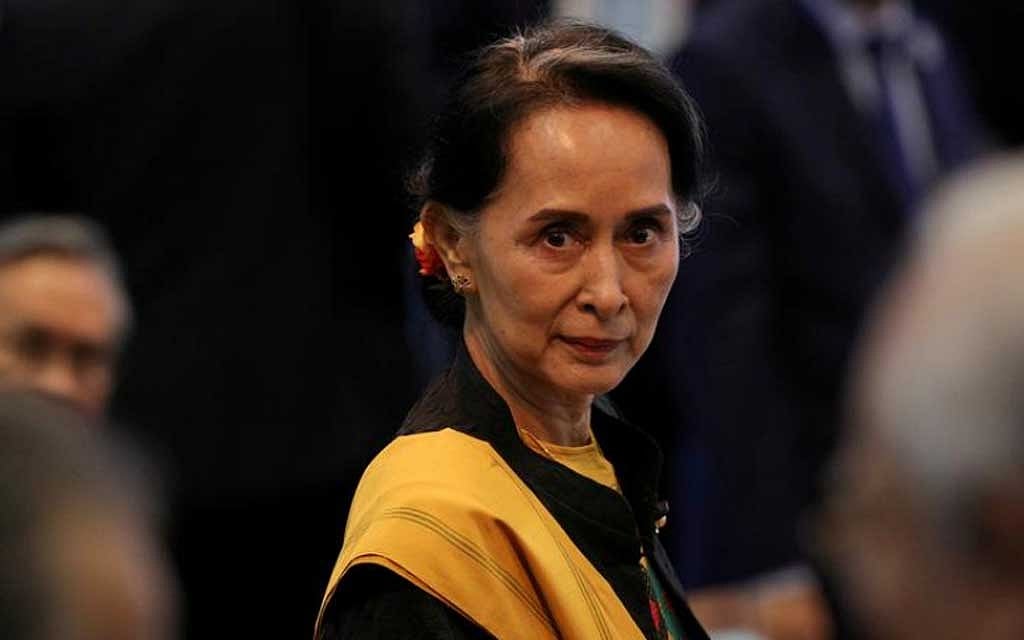
"Since the army has now come to the fore, I don't see any big changes in that regard. I don't think there is a possibility that something positive will happen.”
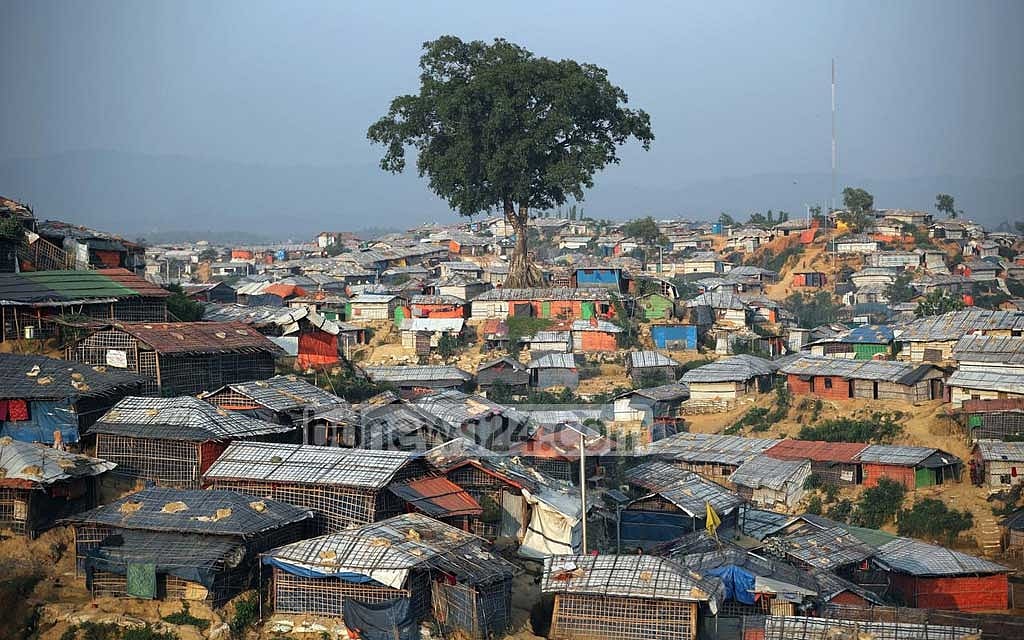
More than 700,000 Rohingya crossed the border into Bangladesh after a 2017 crackdown by the Myanmar military, taking the number of refugees in Bangladesh past 1 million.
Bangladesh later signed an agreement with Myanmar for the repatriation of its displaced nationals, but the process to send them back was halted twice as the Muslim refugees refused to return without citizenship rights in the Buddhist-majority country.
Later, Foreign Secretary Masum Bin Momen said he expected the repatriation process to begin in the second quarter of the year.
But, Touhid is sceptical about whether the changes of that happening now in light of the latest developments in Myanmar.
"They will try to delay the process and because of the situation, the meeting that was supposed to take place in February may not go ahead. It may be postponed but at the same time, it may also be held. Anything can happen.”
Touhid urged the government to continue the discussions to work out a roadmap for the repatriation of 850,000 Rohingya.
"If some of their (Rohingya) rights are not guaranteed, the basic human rights, they will not agree to return. Unless they agree, there is no point in sending two or four thousand or even 200,000 of them back."
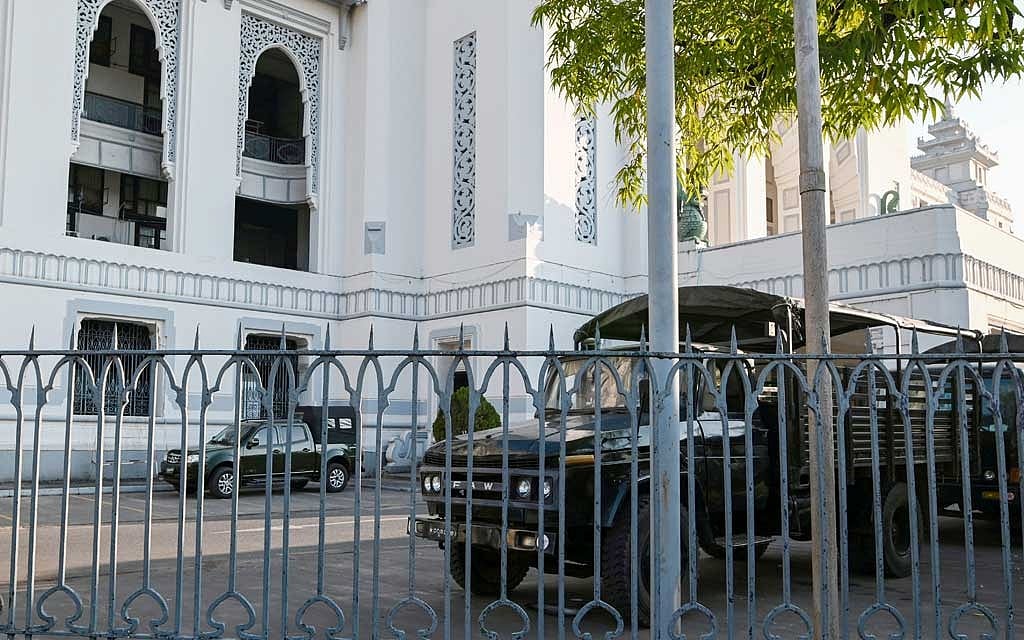
Myanmar military vehicles are seen inside City Hall in Yangon, Myanmar Feb 1, 2021. REUTERS
"And even while they had democracy in the last three years, it didn't bring any benefit and the repatriation process has also not started. We have no reason to worry about [who is in power].”
He is inclined to see what kind of pressure is exerted on Myanmar from the international community while observing the reaction inside the country.
Everything depends on the reaction of the international community, including the European Union, Japan, India, the United Kingdom and the United States, he said.
"It remains to be seen whether they will impose large-scale sanctions and pressure on Myanmar. But if they say they will wait a year and act the same way as before, then it is clear that the coup may have had some kind of support from them.”












