Published : 30 Mar 2022, 01:39 AM
Updated : 21 Oct 2022, 03:39 PM


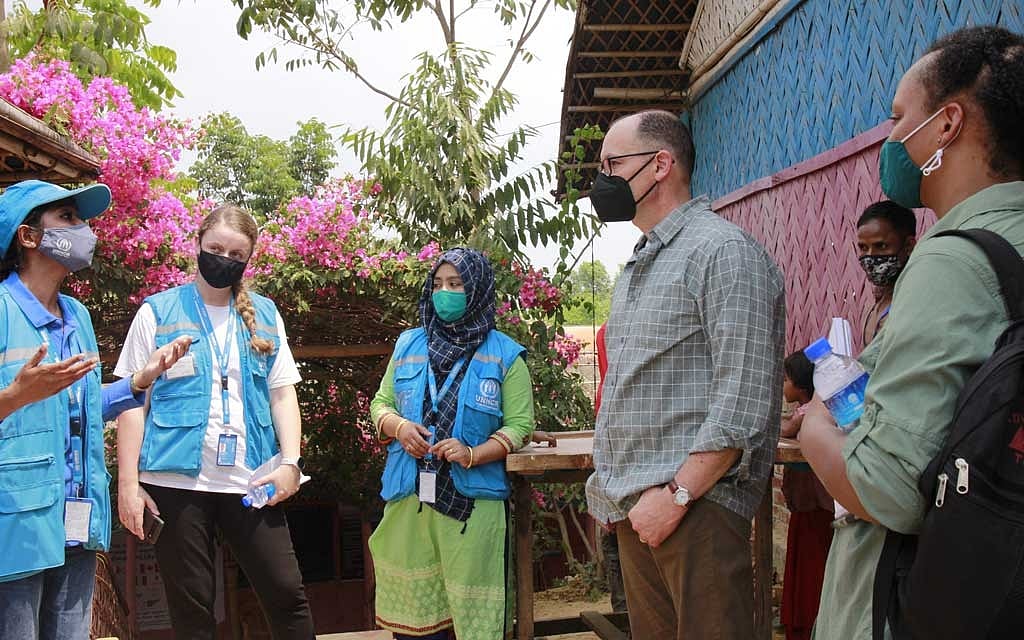
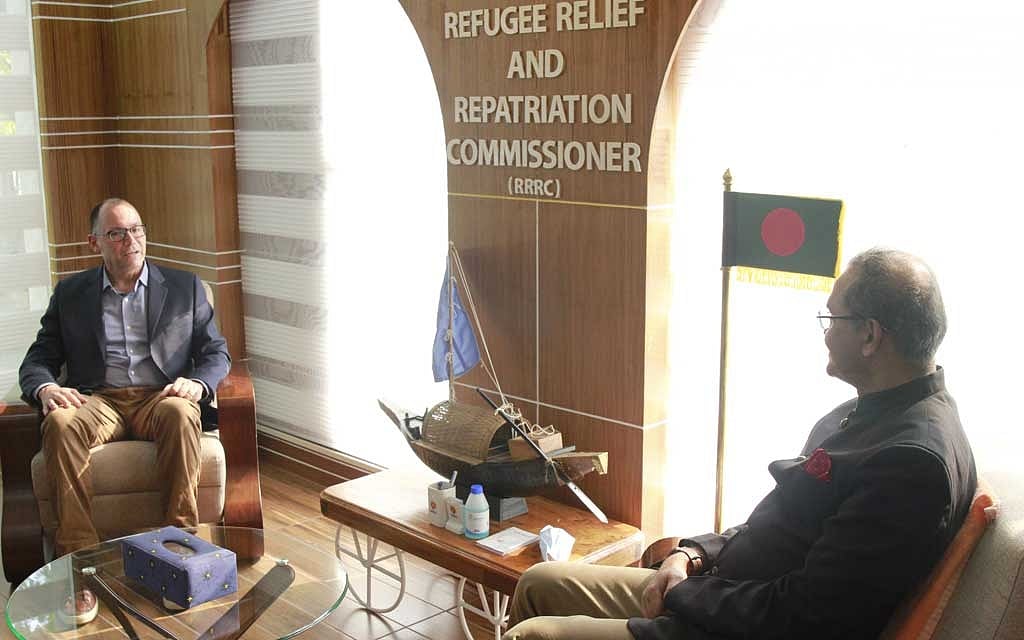
US Ambassador to Bangladesh Peter Haas made the announcement following his first visit to Cox’s Bazar, a media statement from the Embassy of the US in Dhaka read on Tuesday.
“This brings the total we’ve provided since August 2017 to $1.7 billion,” Ambassador Haas was quoted in the statement. “Of this new funding, $125 million is for programs inside Bangladesh - for Rohingya refugees and affected Bangladeshi communities.”
Ambassador Haas visited Cox’s Bazar from March 27-29 to meet with local government officials.
He observed how US programmes continue to assist Rohingya refugees and host communities by providing healthcare, training to fight fires in the camps, protecting the environment, strengthening climate disaster resilience, and providing secure food distribution.
“I am heartened by the strong collaborative relationship with humanitarian agencies working in the camps and host communities in Cox’s Bazar,” Ambassador Haas said.
Haas’ trip was the first since US Secretary of State Antony Blinken on March 21 announced the Burmese military’s assault against the Rohingya people as genocide and crimes against humanity.
The rest of the press release is as follows:
The ambassador expressed appreciation for the resumption of regular activities in the camps, particularly that learning centers were open again, providing education and ensuring that Rohingya do not lose a generation to learning.
Ambassador Haas also visited a UNHCR program that engages refugees and host communities to rehabilitate the environment, clean up and prevent pollution of waterways, increase resilience to climate change by reducing disaster risks from landslides, floods, and fires.
The programme emphasised nature-based solutions such as planting trees to stabilise hillsides, water quality management and establishing water reservoirs.
Ambassador Haas also saw volunteer fire fighters using newly developed US Agency for International Development or USAID mobile fire units equipped with backpacks with pumps and transport capacities during a fire-containment training demonstration.
The USAID project is producing and delivering 450 mobile fire units and 3,000 20-litre firefighting backpacks to the camps and will train 3,000 refugee volunteer firefighters to use and maintain the equipment, helping to prevent and respond to fires. This project will be expanded to all camps by 2023.
He also visited a field lab, a healthcare center accessible to members of the host community, and a liquified petroleum gas distribution center that reduces the need to collect for firewood for fuel, reduces pressure on local forests, and protects women and girls at risk of gender-based violence while collecting wood.
The ambassador’s delegation also saw how a program funded by USAID and the World Food Program provides emergency food assistance to Rohingya refugees with monthly e-vouchers used to purchase basic food commodities from 21 outlets owned by local host community vendors, including fresh eggs, vegetables, and fruit.
In fiscal year 2021 alone, the US government spent nearly $302 million for the Rohingya crisis humanitarian assistance programmes in Bangladesh.