


Published : 03 Oct 2017, 05:17 PM
Updated : 19 Oct 2022, 03:48 PM


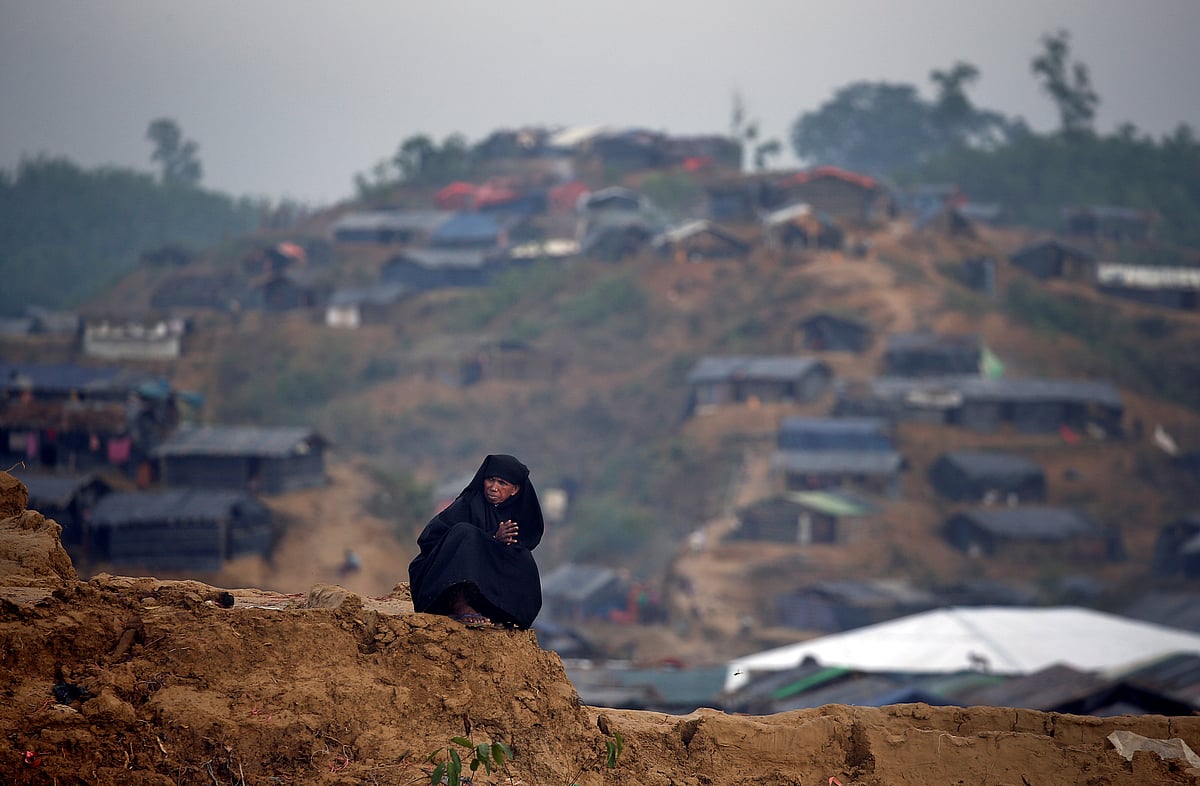
There are no firm statistics on acute watery diarrhoea among Rohingyas, UNHCR spokesperson Andrej Mahecic said at a press briefing in Geneva on Tuesday, adding they are taking action to prevent severe illness and deaths.
But the trend is increasing, Mahecic said, citing measures so far taken to prevent and treat the water-borne diseases.
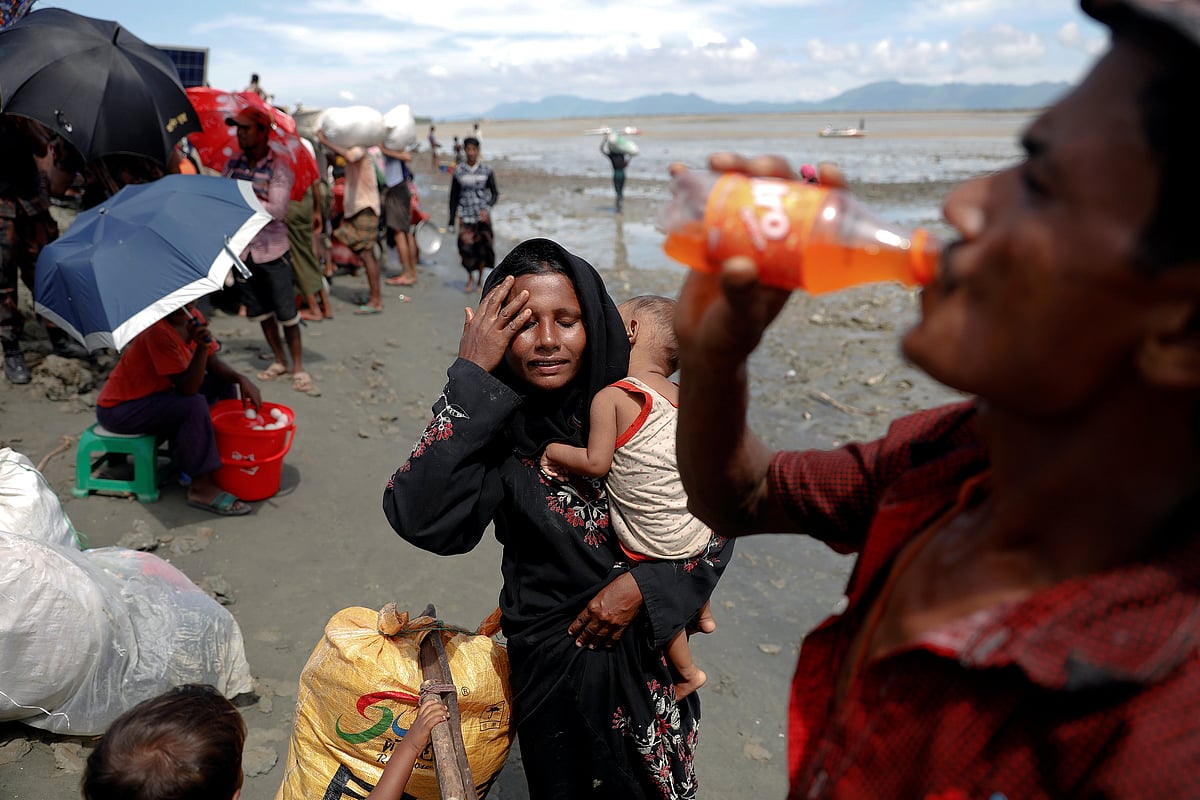
Rohingya refugees who just arrived from Myanmar make their way to a relief centre in Teknaf, near Cox's Bazar in Bangladesh, Oct 3, 2017. Reuters
Also read
Rohingyas doubt Myanmar promises on going home
Cholera is endemic in Bangladesh and can easily spread as hundreds of thousands of people live in close proximity without proper sanitation.
So far, Rohingyas with these conditions have been treated at clinics run by UNHCR and other agencies, and at local public health facilities.
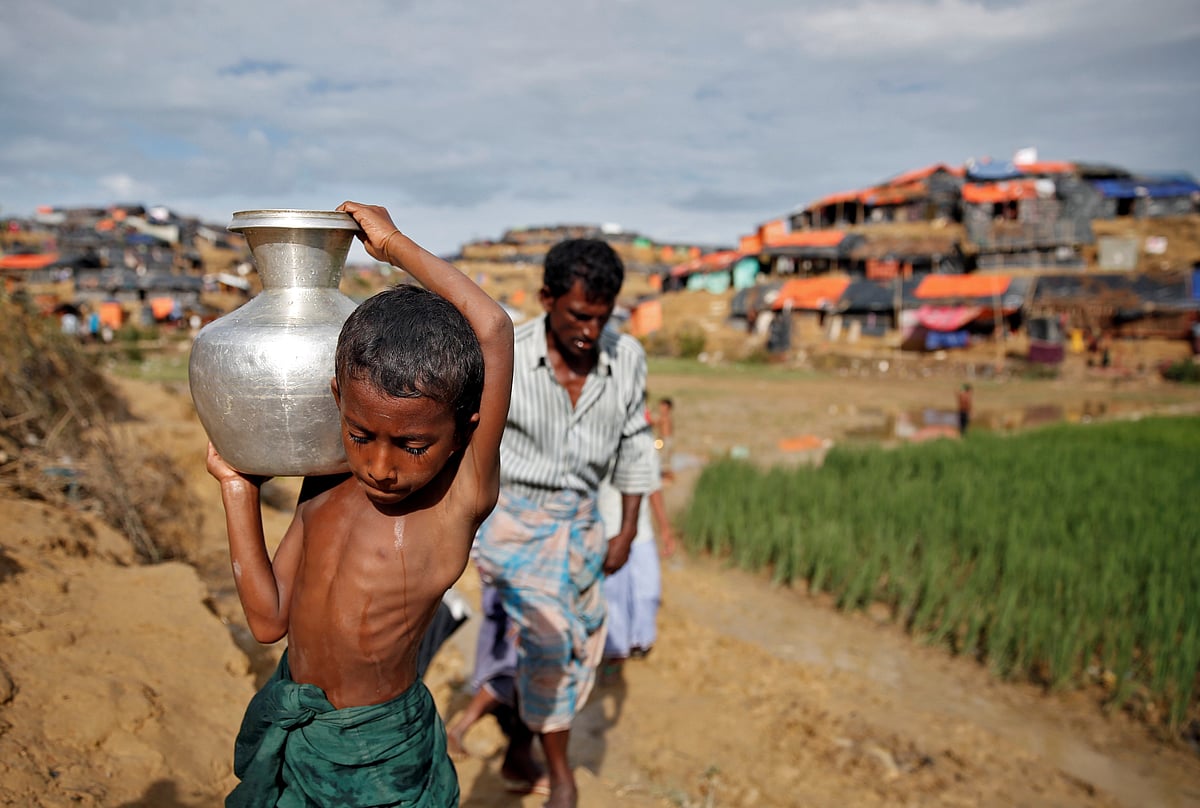
A Rohingya refugee boy carries water in Cox's Bazar, Bangladesh, Sept 27, 2017. Reuters
"It is vital to provide clean water so that people do not drink from or bathe in contaminated ponds and streams,” the spokesperson said.
UNHCR this week also plans to open medical consultation centres with attached oral rehydration “corners” throughout the huge 2,000-acre or 809-hectare Kutupalong Extension Site where many Rohingyas who have arrived since Aug 25 military crackdown are now congregating to receive assistance.













