


Published : 23 Jan 2018, 07:08 PM
Updated : 19 Oct 2022, 02:06 PM


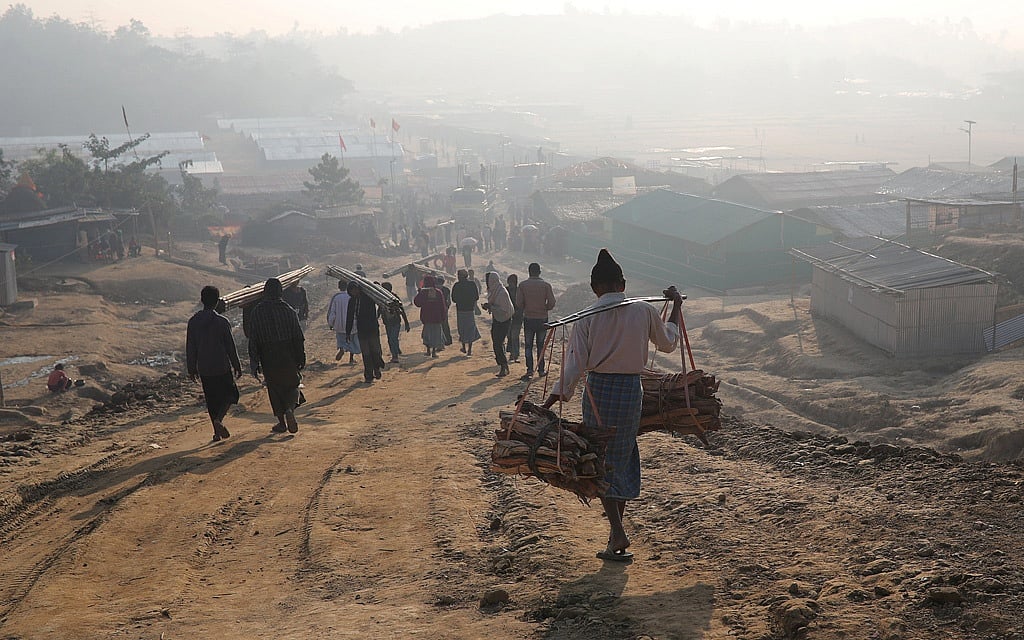
The calls come as Bangladesh delayed the repatriation of the largely stateless Rohingya to Myanmar as the process of compiling and verifying the list of people to be sent back was incomplete.
"In order for the repatriation to be (done) right, to be sustainable, actually viable ... you need to really address a number of issues that for the time being we have heard nothing about," UNHCR head Filippo Grandi said in Geneva, noting that issues like citizenship had not been addressed.
More than 688,000 Muslim Rohingya and a few hundred Hindu Rohingya have fled to Bangladesh since Aug. 25 last year after the Myanmar military cracked down in the northern part of Rakhine state, amid witness reports of killings, looting and rape, in response to militant attacks on security forces.
Many in Buddhist-majority Myanmar regard the largely Muslim Rohingya community as illegal immigrants from Bangladesh. The United Nations described Myanmar's crackdown as ethnic cleansing of the Rohingya, which Myanmar denies.
Grandi said it was important to set in place a monitoring mechanism in Rakhine for those returning and noted the UNHCR currently did not have the ability to move freely and perform this role there.
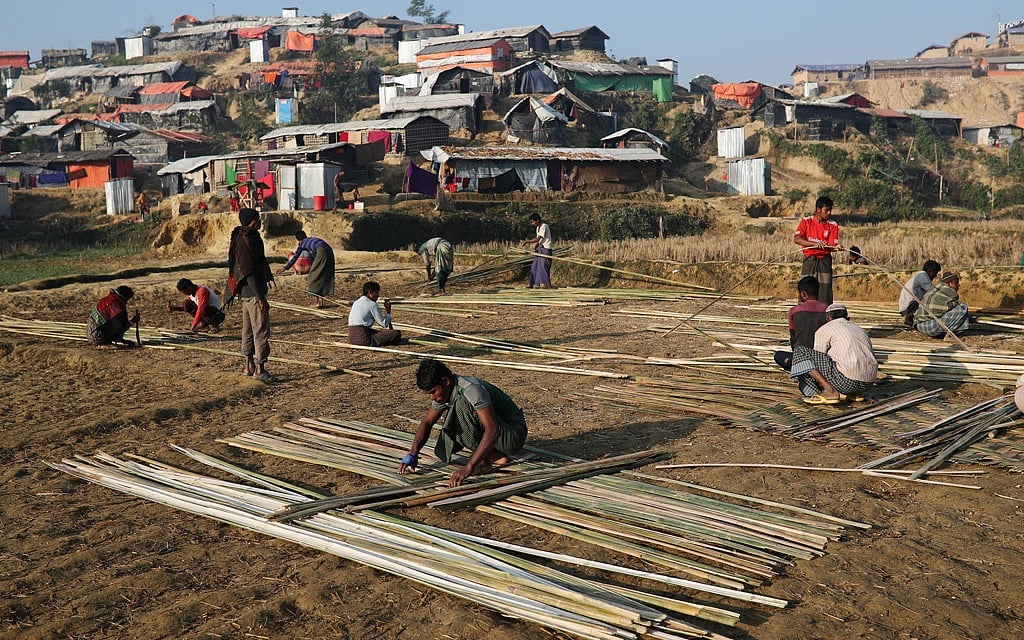
Rohingya refugees build shelter with bamboo at the Jamtoli camp in the morning in Cox's Bazar, Bangladesh, Jan 22, 2018. Reuters
Human Rights Watch, a non-government organization, said on Tuesday that Bangladesh should suspend the plan entirely as it "threatens the refugees' security and wellbeing".
The plan has sparked fears in refugee camps in Bangladesh that people may be forced to return despite a lack of guarantees around their security.
"We are not doing anything hurriedly. We are working hard to ensure their safe, dignified and sustainable return to their homeland. We'll not send anyone until a conducive environment is created for them," a Bangladeshi official, who participated in the repatriation talks with Myanmar, told Reuters on Tuesday.
He said that some 6,000 refugees, who are currently in no man's land between the two countries, were likely to be the first ones sent to the camps being set up in Myanmar.
Officials in Myanmar said they were ready to begin the repatriation process.
"We are right now at the border ready to receive, if the Bangladeshis bring them to our side," Kyaw Tin, Minister of International Cooperation, told reporters in Naypyidaw, Myanmar's capital.
He said Myanmar was "prepared to receive 300 people a day" to begin with. He said the repatriation would take place five days a week, and then be reviewed after three months to see if it can be accelerated.
Myanmar's Social Welfare, Relief and Resettlement Minister Win Myat Aye said the repatriation would take place over the next two years, "or maybe less".
"Whoever is eligible, we will accept," he said.













