


Published : 13 Jul 2017, 09:15 PM
Updated : 11 Apr 2022, 09:12 PM


The fund comes from UN’s Central Emergency Response Fund or CERF.
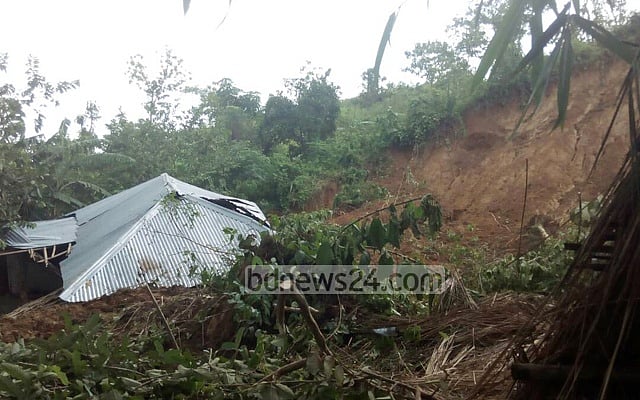
Heavy rains triggered deadly landslides and flooding in June that killed 166 people and injured many more in the Chittagong Hill Tracts.
The districts worst hit by the catastrophe are Rangamati, Chittagong and Bandarban.
CERF funding may cover parts of the needs and will be provided to three UN agencies – UNDP, UNFPA and UNICEF –to scale up their response in the most affected district, Rangamati, UN Information Centre in Dhaka has said in a statement.
The fund will be used to set up 1,500 emergency shelters and repair 1,500 households.
It will also help clean water sources, improve sanitation facilities, and distribution of hygiene kits.
Campaigns will be carried out to create awareness over shelter safety, prevention of sanitation and hygiene related problems and other fatal reproductive health situations.
“While this disaster was very localised, it has had very severe humanitarian impact. The CERF funding will help UN agencies working with affected communities to address immediate life-saving needs,” Robert Watkins, UN resident coordinator in Bangladesh, said in the statement.
The UN Humanitarian Coordination Task Team or HCTT, with the support of Bangladesh government, previsouly developed a Humanitarian Response Plan or HRP, which seeks $10 million to bring urgent assistance to 51,000 people.
START Network has also lent over $250,000 to Action Aid and World Vision Bangladesh, according to the statement.













