November 24, 2026

Terracotta replicas to teleport ancient Bengal culture to households

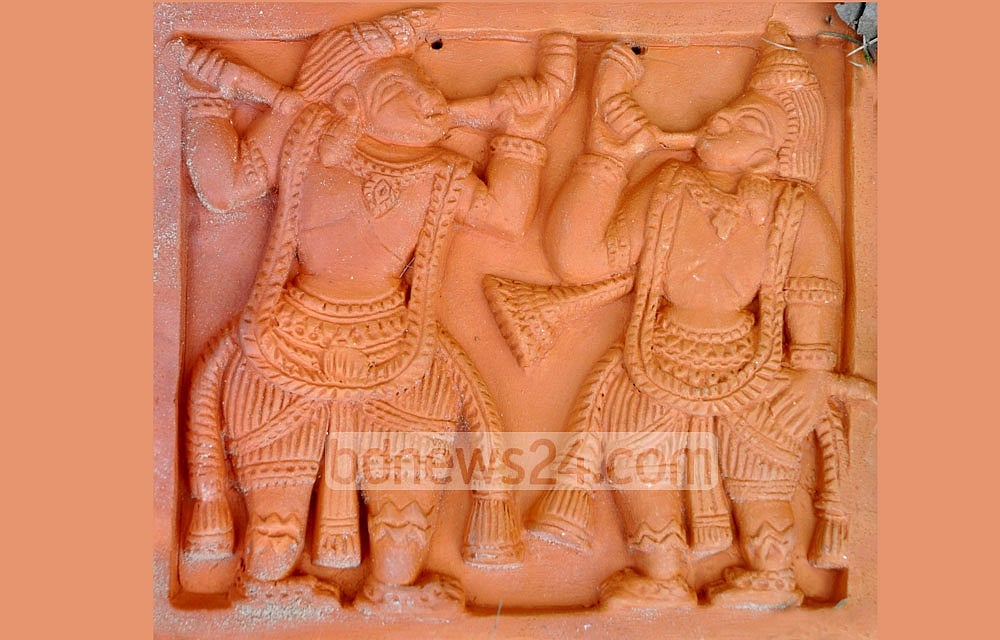
An initiative has been taken to make replicas of terracotta, a key element of ancient culture of Bengal, available across the country.

Bogra Correspondent

Zia Shaheen,

bdnews24.com

Published : 05 Dec 2014, 11:17 PM

Updated : 19 Oct 2022, 07:45 PM

Oitijhya Anweshan, a non-government organisation working on ancient history and culture, has taken the exceptional initiative in cooperation with Bangladesh Parjatan Corporation and Asian Development Bank.

The NGO’s Executive Director Sufi Mostafizur Rahman, who teaches archaeology at Jahangirnagar University, said they believed Bengal’s history and culture of around 2,500 years would reach every nook and cranny of the country through the efforts.

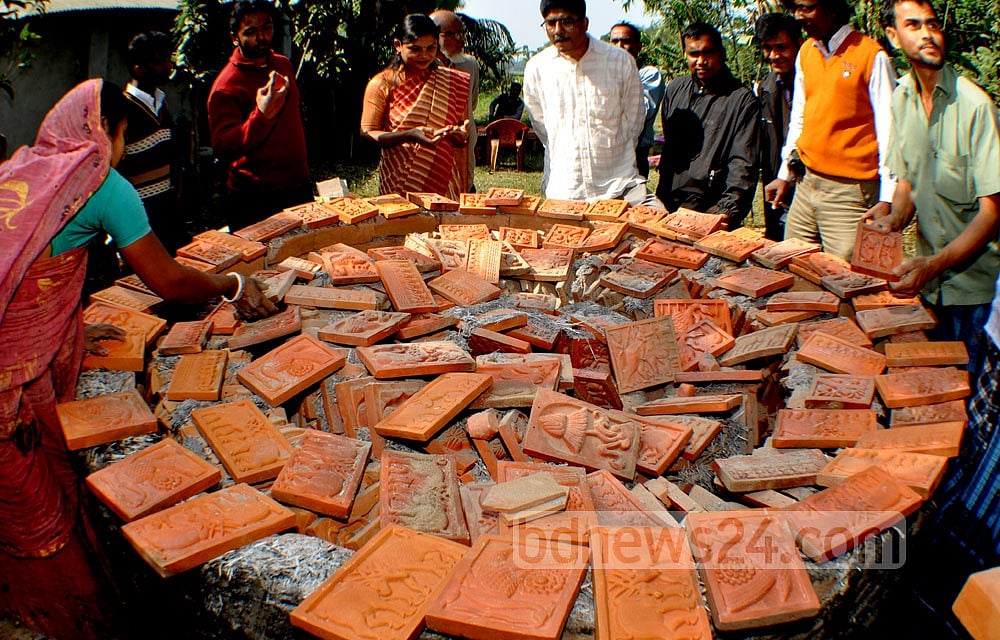
Under the initiative, making replicas of terracotta relics has begun at Shekherkola in Bogra, a home of terracotta art. They will be marketed across Bangladesh.

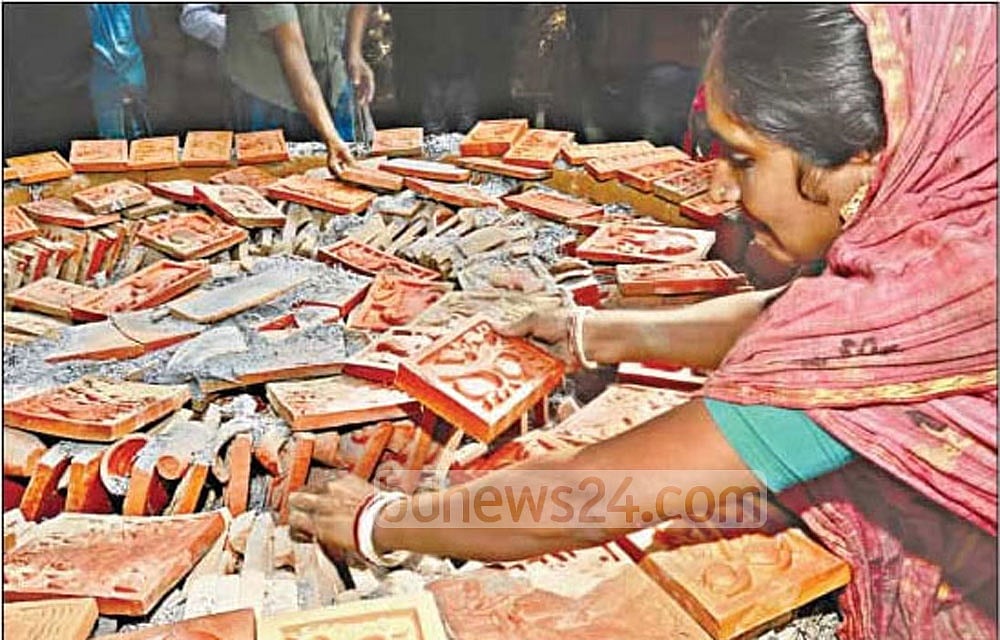
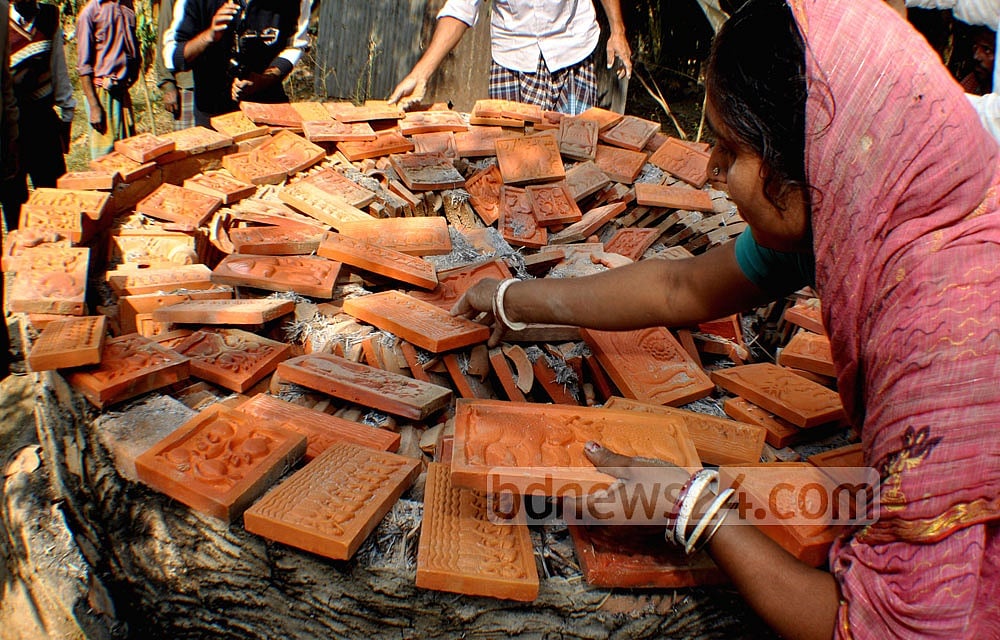
Oitijhya Anweshan has already trained eight pottery artists from different places of the country, where terracotta relics were found, on the ancient art.

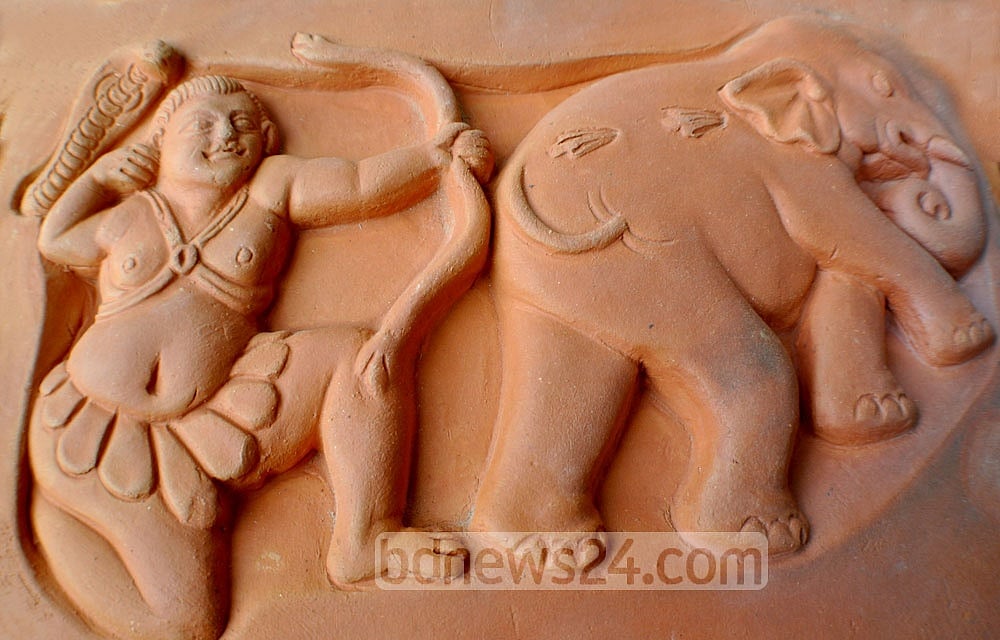
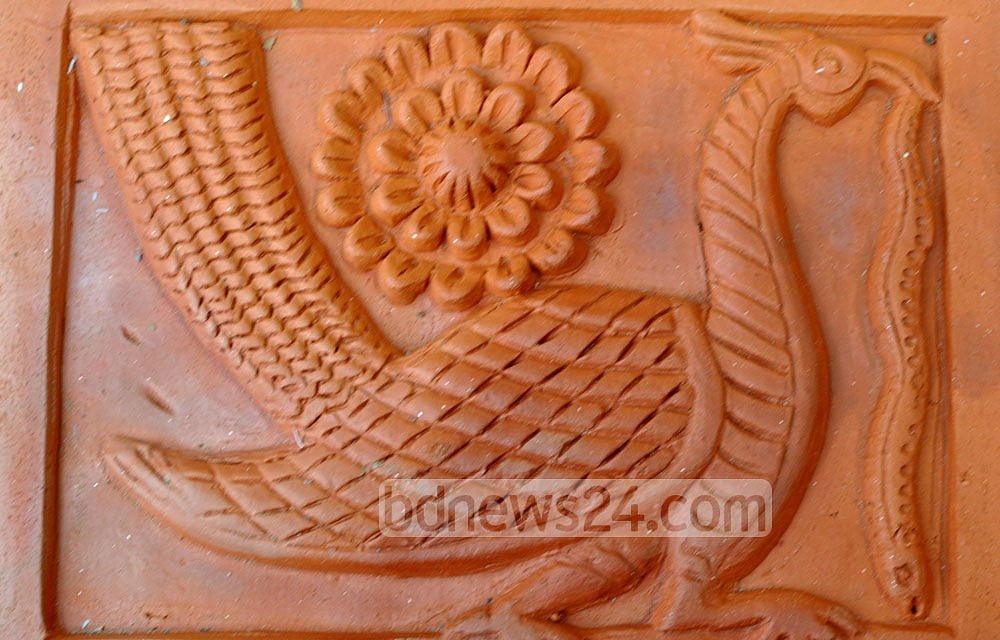
In the first batch, 650 replicas have been made by the artists and baked.

Terracotta was once a key means to beautify important establishments.

The artists of Bengal used these terracotta works for architectural purpose. Stones were not readily available in Bengal and so these artists challenged this limitation and turned the alluvial soil of the lower Bengal basin into an object of art for architectural decoration of the temples.


Terracotta relics of different sizes and shapes from ancient times have been found at archaeological sites such as Mahasthangarh in Bogra, Paharhpur and Sompur Buddhist Bihar in Naogaon, Kantaji Temple in Dinajpur, and Shat Gombuj Mosque in Bagerhat. The terracotta art represents the nature, culture and social aspects of the ancient period. Rahman told bdnews24.com: “The initiative will disseminate knowledge on history and culture among the people and give the dying pottery industry a boost on the one hand. “It will generate employment for the people of this region (northern part of Bangladesh) on the other.” He also spoke of the genesis of the initiative. “We found during excavations at different archaeological sites, including Wari-Bateshwar (in Narsinghdi), that workers engaged in the digging are not aware of the need to protect these heritages.” “Also, we saw tremendous interest (in the heritages) among the people after opening a museum in Wari-Bateshwar area,” he added. Rahman said tourists could not buy souvenirs at any archaeological sites in Bangladesh during visits. “We think tourists need to be informed of the 25,000-year history and culture of Bengal. We’ve taken the initiative based on this thinking,” he added. About marketing of the replicas, Prof Rahman said: “Those who have been trained will sell them. Oitijhya Anweshan will also help them to market them.” Rahman said awareness and support were needed to help the initiative to carry on and spoke of plans to arrange a ‘big exhibition’ of terracotta art in Dhaka.
Related Stories