Published : 31 Mar 2018, 12:28 AM
Updated : 19 Oct 2022, 02:09 PM


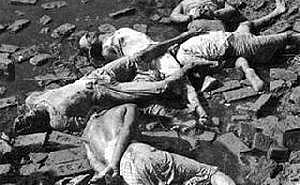
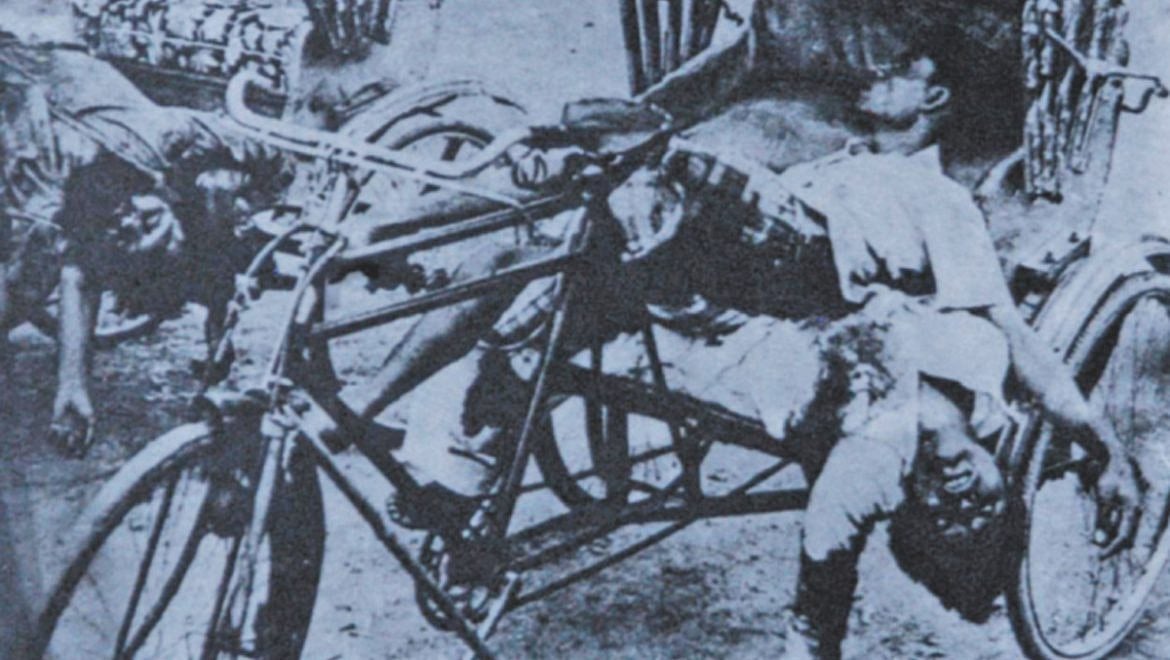
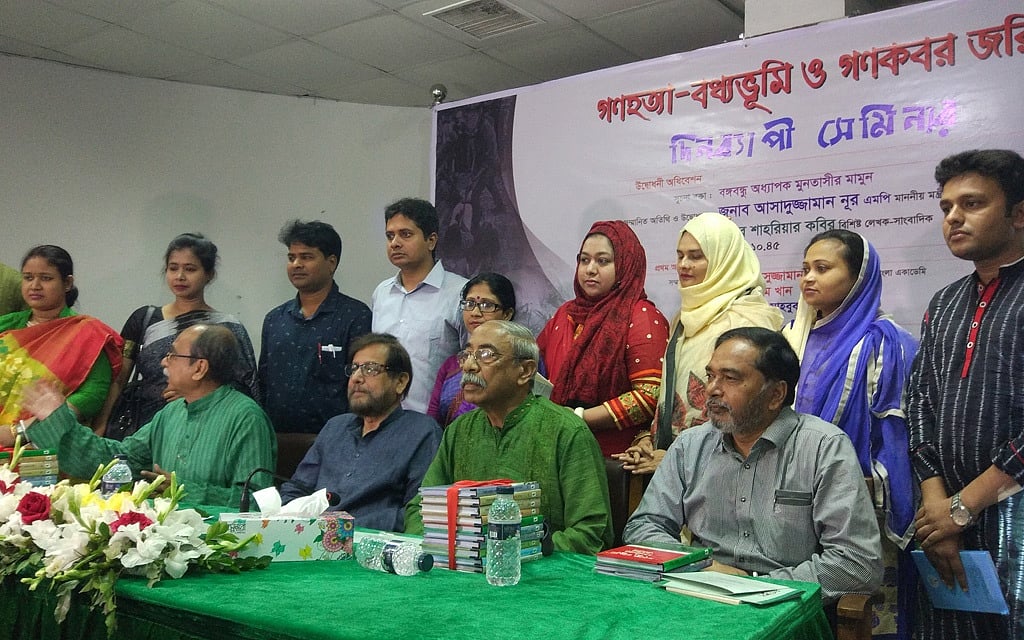
Prof Muntasir Mamun, Chairperson of the Genocide and Torture Archive and Museum Trust, disclosed the information at a seminar at the Bangla Academy on Friday.
He said existing literature had shown only 905 of such incidents throughout Bangladesh but the new survey showed the number is higher than the figure in 10 districts alone.
The committee compiled incidents of genocide, mass killings and mass grave that stood at 2,107 in 10 districts which included Nilphamari, Bogra, Natore, Kurigram, Pabna, Rajshahi, Satkhira, Narayanganj, Bhola and Khulna.
"If we see such a huge number of genocide incidents in 10 districts, then will the number of martyrs be limited to three million?" the researcher-historian questioned.
The Pakistan army stared wanton killing of unarmed Bengali-speaking people through the 'Operation Searchlight' crackdown in Dhaka on Mar 25, 1971.
On Mar 26, Bangabandhu Sheikh Mujibur Rahman was arrested by the Pakistani forces after the declaration of independence. Bangladesh came into being on Dec 16 after nine months of armed struggle at the cost of 3 million lives.
The committee found the highest number of sites of genocide and mass killing in Khulna with 1,155 genocide, 27 killing fields, seven mass graves and 32 torture centres.
Mamun said the Khulna mass killings were mentioned as Crescent Jute Mills killings in previously published books but “our question is the killings were not carried out in one day only".
According to the new survey, the district-wise genocide incidents in other districts are as follows:
Nilphamari- 85
Bogra- 139
Natore- 126
Kurhigram- 84
Pabna- 126
Rajshahi- 262
Satkhira- 41
Narayanganj- 288
Bhola- 74
The Centre for Genocide, Torture and Liberation War Studies will publish 10 books titled 'Genocide-Mass Killing and Mass Grave' based on the new survey in the 10 districts.
“Many countries and international organisations are recognising the genocide in Myanmar, but there is no recognition of the genocide in Bangladesh,” he said, referring to the recent crackdown on the Rohingya people in Myanmar.
“The genocide we suffered during the Liberation War was more horrific. I don’t know for what political reason this genocide is not being recognised,” he said.
The minister said anti-independence elements were still active in Bangladesh now.
“Can any political party continue activities in a country when it does not believe in the country’s independence? It doesn’t happen even in Pakistan whom we defeated and snatched independence from. Then why should we face such a strange situation?” he wondered.
Ekattorer Ghatak Dalal Mirmul Committee President Shahriar Kabir demanded making of a law modelled on the Holocaust denial law to prevent distortion of history.
He referred to the doubts of many people, including BNP Chairperson Khaleda Zia, about the number of martyrs in the war.
Three million people were killed, 200,000 women raped and almost 10 million forced to flee to India during the 1971 war, the International Crimes Tribunal said in the verdict sentencing Jamaat-e-Islami leader Delwar Hossain Sayedee to prison until death for war crimes.
“There is no law yet to stop distortion of history despite our long-time demand. The Law Commission made a draft a long time ago, but the government has not passed it,” Shahriar Kabir said at the seminar.
He also suggested making summaries of the survey and sending those to the educational institutions to let the students know about the genocide.
Dr Mahbubur Rahman chaired the opening session of the daylong seminar. Bangla Academy Director General Shamsuzzaman Khan and artist Hashem Khan also spoke at the seminar.
Later, Prof Mamun chaired another session where retired Lt Col Quazi Sajjad Ali Zahir Bir Protik, among others, spoke.