Published : 25 Sep 2019, 03:01 PM
Updated : 17 Oct 2022, 11:46 AM


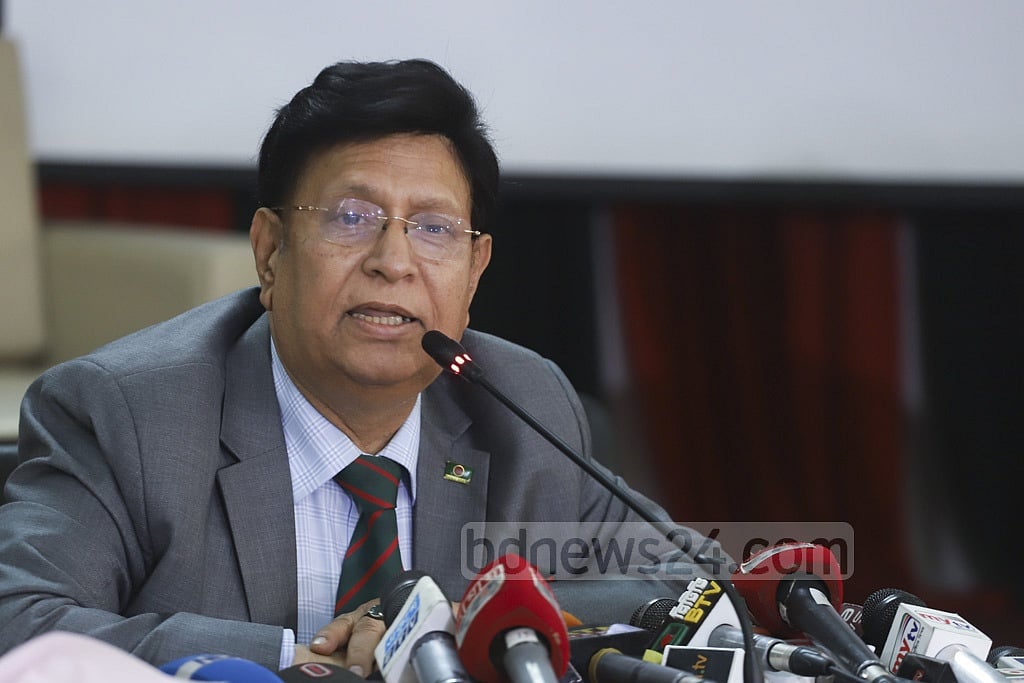
Foreign Minister AK Abdul Momen announced the development on Tuesday at the end of the discussion between the neighbouring countries on the issue mediated by China in New York.
On the 'tripartite joint working mechanism', the foreign minister said, “China proposed this at the meeting. Myanmar initially showed reservations but they ultimately agreed.” The countries will work closely to evaluate the progress of the initiative on the ground, he added.
Dhaka University's Professor of International Relation Dr Imtiaz Ahmed sees this as a "positive" development and a “qualitative” turn towards the resolution of the crisis that has emerged over the last two years.
“It’s positive in the sense that we are internationalising the issue,” he told bdnews24.com, adding, the move “will put extra pressure on Myanmar.”
“China as a permanent member of the UN Security Council is a powerful country. China's involvement with the mechanism now means that they too will have to account for the process of repatriation and delays to the international community. So far Bangladesh was the only country to be asked those questions,” he said.
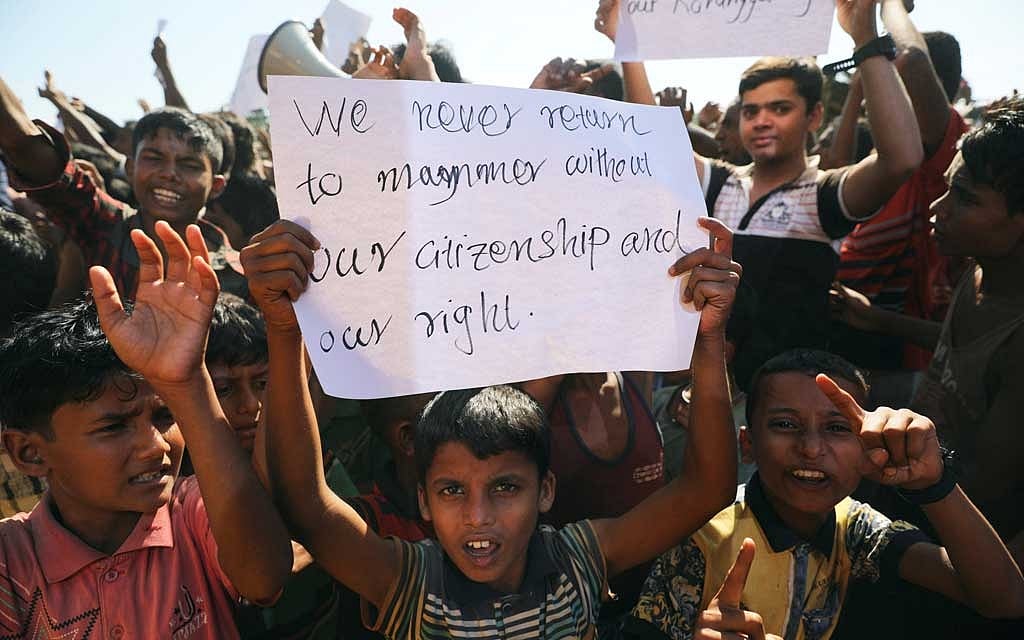
Bangladesh is currently hosting more than 1.1 million Rohingyas. As many as 750,000 members of the Muslim minority group in Myanmar's Rakhine state fled ‘ethnic cleansing’ in their homeland in August 2017.
Despite attempts to repatriate the refugees, no-one returned to their homeland citing Myanmar's failure to create conditions conducive to their “voluntary, safe and dignified” return.
China, which used its veto power in the UN Security Council to prevent any actions against Myanmar, has been trying to broker a resolution to the issue between Myanmar and Bangladesh.
The Chinese embassy representative was seen in the latest botched attempt at repatriation on Aug 22.
Last year in July, they organised a meeting between the foreign ministers of Bangladesh and Myanmar. The then foreign minister AH Mahmood Ali also sat with Myanmar officials in the presence of his Chinese counterpart in New York.
China earlier gave three proposals to solve the crisis – cessation of violence in the Rakhine state, repatriation and go to the root cause of the problem. Prime Minister Sheikh Hasina also made five proposals in the UN in 2017 soon after the crisis.
All those proposals have similarities with the Kofi Annan commissions’ report that suggested giving Rohingyas citizenship and address the root cause of the problems.
Prof Imtiaz also does not see anything to be worried with the active involvement of China.
“China’s involvement is already being appreciated by the international community. The UK has welcomed this openly,” he said, referring to the British High Commissioner in Dhaka Robert Dickson's recent comment that it has a “great deal of potential” to help end the crisis.
“So we don’t have any problem. Rather it’ll be helpful,” Prof Ahmed said, adding that China is eager to solve the problem to carry forward its Belt and Road Initiative, which involves the entire region, including Bangladesh and Myanmar.
Leaving a serious issue like the Rohingya crisis unresolved will not serve the interests of China, according to Prof Imtiaz.