


Published : 07 Mar 2018, 08:59 AM
Updated : 19 Oct 2022, 02:08 PM


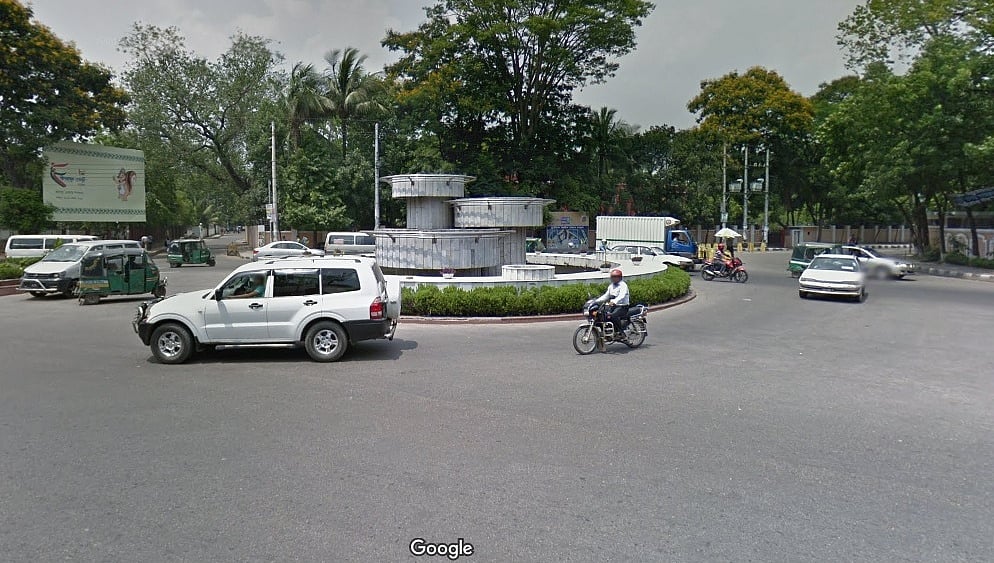
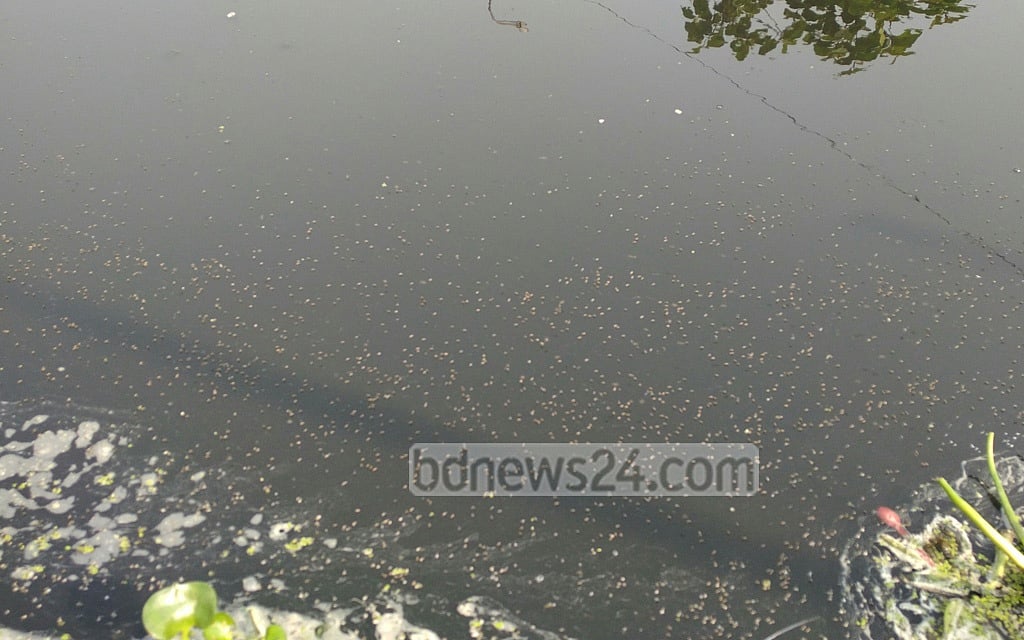
More trees in the area may spawn more larvae although it is cleaner than other zones, said Prof Saniya Tahmina, director of the Disease Control Department in DGHS.
“The area including Ramna Park houses a large number of trees which may breed more mosquitoes. It was the same during our last survey,” she said.
The department conducted a survey in 100 areas of 93 wards belonging to both city corporations in last January. Nineteen areas were identified as vulnerable to the chikungunya or dengue outbreak. The survey showed the highest existence of Aedes larvae on Minto Road and Baily Road.
The survey found larvae in at least 40 percent of breeding sources in the area, while 40 percent of households were infested with Aedes mosquitoes.
The survey included water tank, plastic drum, pail, damp floor, discarded tyre, earthen or cement pot and any place with stagnant water as breeding grounds.
Apart from Minto Road and Baily Road, larvae were prevalent in Shantinagar, Dhanmondi-1, Elephant Road, Gulbagh, Kolabagan and Meradia under Dhaka South City Corporation.
On the other hand, Banani, Basundhara residential area, Gabtoli, Mogbazar, parts of Malibag, Mirpur-1, Mohakhali DOHS, Nakhalpara, East Shewrapara, Tolarbag and Uttara Sector 9 have been identified as the risk zone under the North City Corporation.
The prevalence of mosquitoes at present is abnormal, although it is less than in June-July, according to authorities.
“Aedes mosquito does not spread during dry season; we fear it can increase further in the coming days,” said Prof Tahmina.
She mentioned the less possibility of chikungunya outbreak this year although dengue risks run deep.
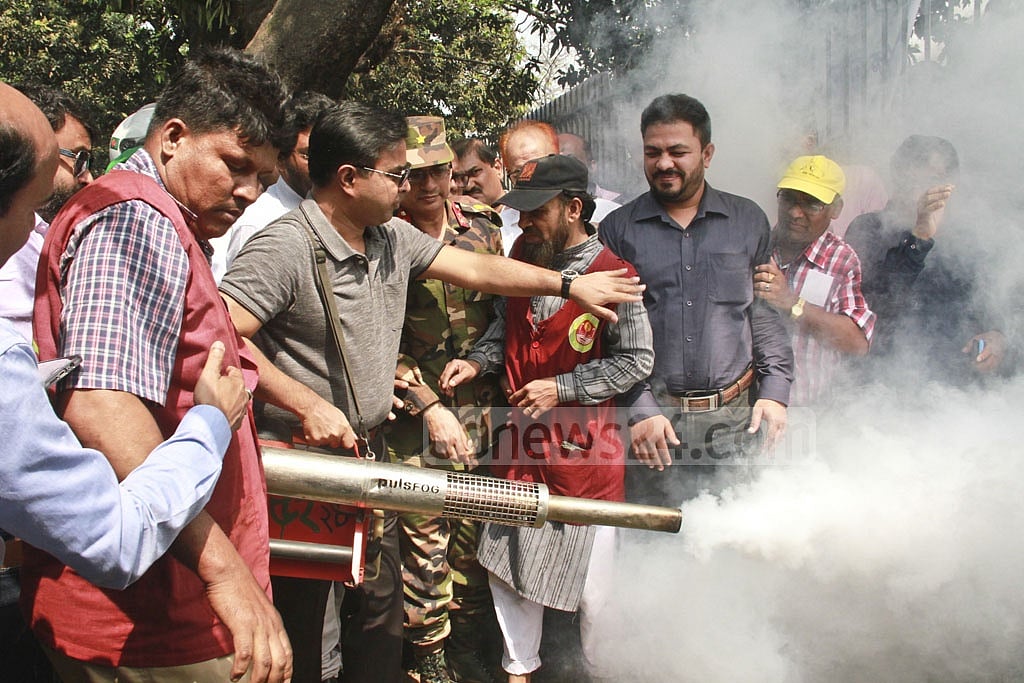
MM Akhtaruzzaman, deputy programme manager of Epidemic Disease Control Department, suggested city corporations speed up mosquito eradication efforts in those 19 areas identified as risk zones.













