


Published : 23 Mar 2019, 12:44 AM
Updated : 17 Oct 2022, 11:37 AM


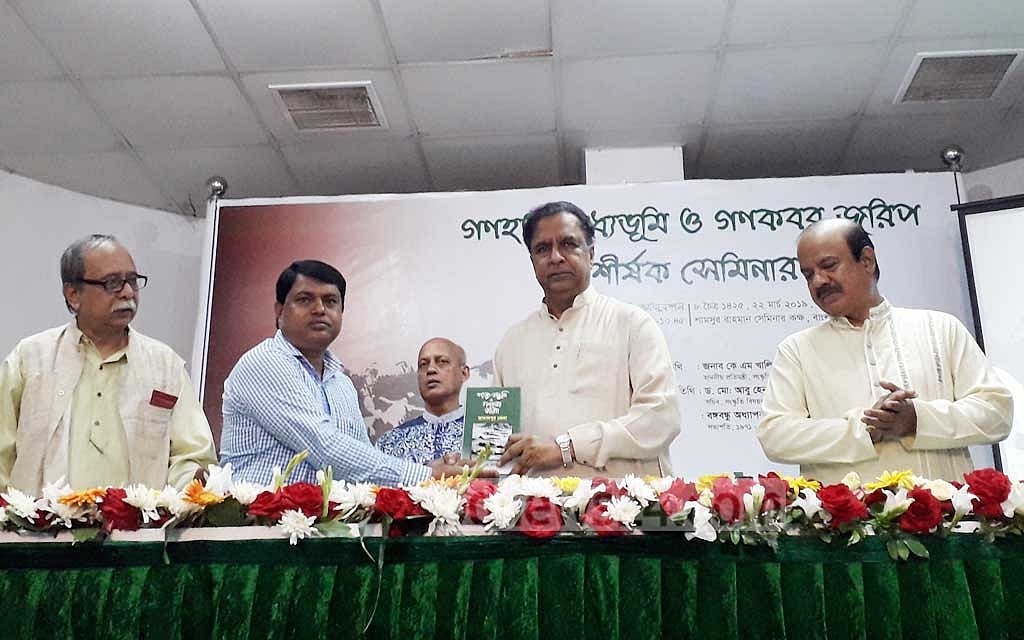
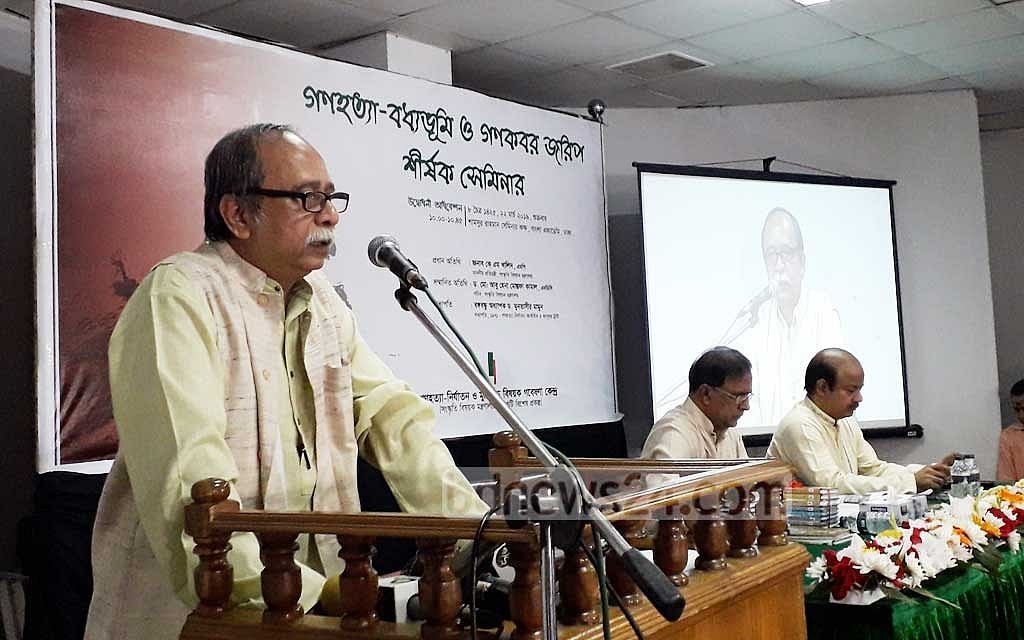
Prof Muntasir Mamun, Chairperson of the Genocide and Torture Archive and Museum Trust, disclosed the information at a seminar at the Bangla Academy in Dhaka on Friday.
The research group compiled the incidents of genocide, mass killings, and mass grave in Gaibandha, Jamalpur, Narail, Lalmonirhat, Panchagarh, Brahmanbaria, Jashore, Moulvibazar, Cox's Bazar, and Barishal districts.
"While conducting the survey in 10 districts, we found that we knew very little about the liberation war. If we only see the victory, we will not feel the plight of the liberation war," Prof Mamun told the seminar.
The total number of mass killing incidents stood at 5,932 in 20 districts.
In March last year, a similar report was made public after surveying 10 districts.
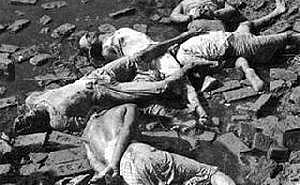
At that time, Prof Mamun had said existing literature had records of only 905 of such incidents throughout Bangladesh but the new survey showed the number is higher than the figure in the 10 districts alone.
“The figure is likely to exceed 3 million if our ongoing nationwide study is completed using the global positioning system.”
The Pakistan army stared wanton killing of unarmed Bengali-speaking people through the 'Operation Searchlight' crackdown in Dhaka on Mar 25, 1971.
On Mar 26, Bangabandhu Sheikh Mujibur Rahman was arrested by the Pakistani forces after the declaration of independence.
Bangladesh came into being on Dec 16 after nine months of armed struggle at the cost of 3 million lives.













