Published : 10 Aug 2019, 03:15 AM
Updated : 08 Apr 2022, 02:19 PM


The disease control section at the Directorate General of Health Services conducted the survey under a scheme to eradicate malaria and Aedes mosquito-borne diseases from July 17 to 27, when the outbreak started peaking.
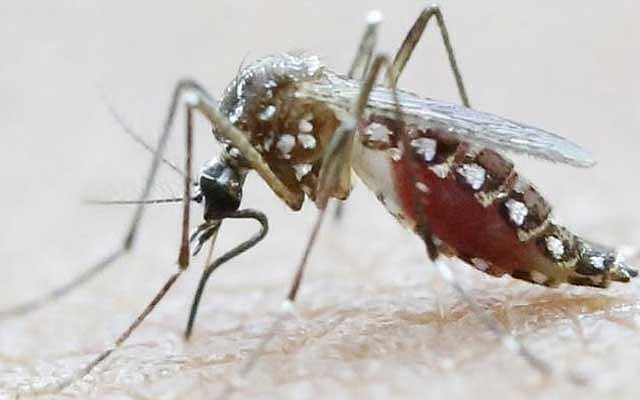
The latest research found the number of adult Aedes mosquito, the carrier of dengue virus, trapped in 141 BG-Sentinel Trap-2, has increased by 13.52 folds to 487. The previous study conducted between Mar 3 and 12 found 36 Aedes mosquitos in these traps.
The presence of Aedes larvae has also increased in this period by 12.5 folds.
The researchers took into account Breteau Index or BI, which counts number of positive containers per 100 houses inspected.
BI level more than 20 means the presence of mosquito larvae is risky for the inhabitants.
The survey found Aedes larvae more than the expected BI level at 38 of 58 wards under Dhaka South City Corporation and 24 of 40 under Dhaka North.
The number of wards marked vulnerable in the previous study was 15 in Dhaka South and seven in North.
In terms of House Index or percentage of houses infested with larvae and/or pupae, 75 percent houses surveyed in Dhaka North were found to be vulnerable while the percentage is 83 in Dhaka South.
There is no alternative to destroying the breeding grounds of Aedes aegypti to control the dengue outbreak, DGHS Deputy Programme Manager for Malaria and Aedes Transmitted Diseases MM Aktaruzzaman said.
Dengue first struck Bangladesh in 2000, killing 93 people. Since 2003, the death rate has gradually declined with zero fatalities in some years.
But last year it took a devastating turn with over 10,000 infections and 26 deaths, according to the government statistics.
This year, according to the government control room, the number of people hospitalised with dengue so far has crossed 36,500.
The government has confirmed 29 deaths from dengue, but a bdnews24.com count based on accounts of doctors at different hospitals has put the death toll over 100.
According to the WHO, the global incidence of dengue has grown dramatically in recent decades. About half of the world's population is now at risk.
There is no specific treatment for dengue or severe dengue, but early detection and access to proper medical care lowers fatality rates below 1 percent. Dengue prevention and control depends on effective vector control measures.
Dengue mosquito, Aedes aegypti, breeds in clean water mostly in and around the houses. Household flower vase, buckets, tyre, and tubes where water remains stored are perfect places for the dengue mosquito to breed.