


Published : 06 Nov 2021, 11:06 PM
Updated : 14 Oct 2022, 07:01 PM


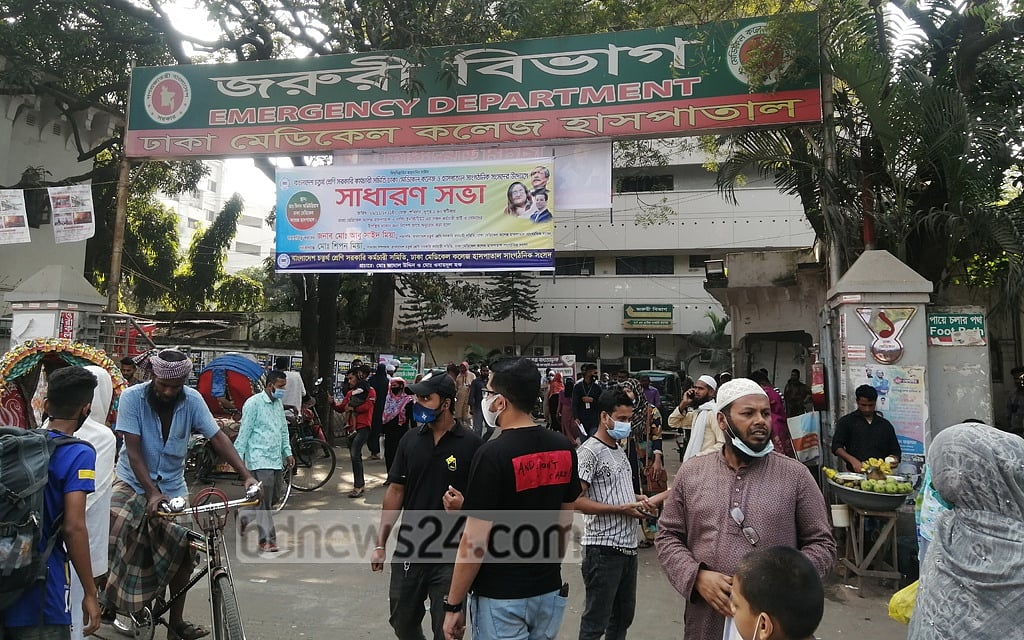
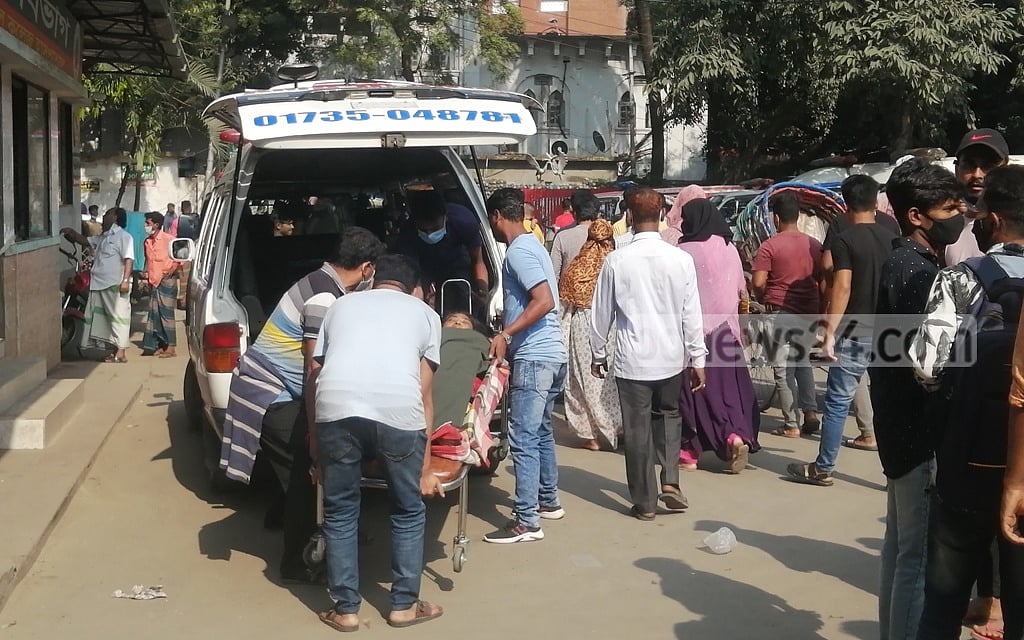
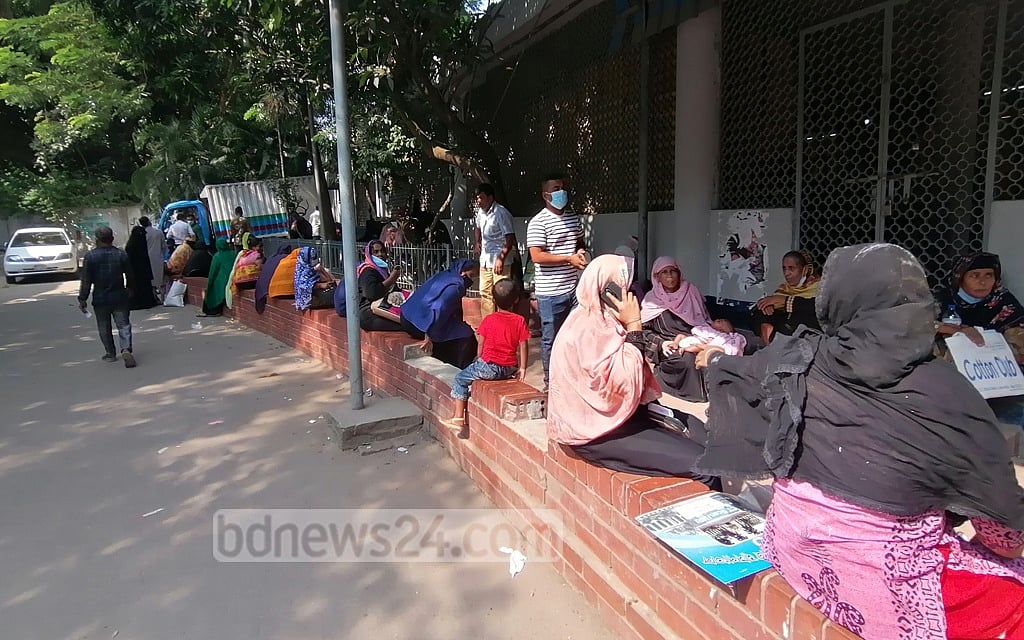
While returning home, the autorickshaw drivers outside the hospital first asked for Tk 450 for the same distance. Taleb continued bargaining and finally, a driver agreed for Tk 350.
A bus journey would cost far less, but owners and workers halted public transport services on Friday, calling an indefinite strike over a fuel price hike. They demand readjustment of the fares in line with the new fuel prices.
The strike put travellers in Dhaka and elsewhere in a tight spot – either pay extra for a rickshaw, autorickshaw and app-based services, or scrap the travel as autorickshaw drivers and rickshaw-pullers are taking advantage of the situation.
Staying at home is not an option for many commuters, who have to travel to work.
Patients and their carers also struggled to find vehicles as the roads were devoid of buses on the second day of the strike. Many of them choose Friday and Saturday due to less traffic on the weekend.
“Usually the autorickshaw fare is Tk 150 to Tk 200. Now they are charging Tk 350. Why will the poor be in trouble for the strike?” said Taleb.
Tuhin Islam brought his father from Signboard for an eye check-up. “The autorickshaw driver charged extra. Bus fare will also increase because of the fuel price hike. It will cause trouble only to ordinary people like us.”
Many patients and their relatives come to Shahbagh by bus for treatment at BIRDEM or BSMMU hospitals, but they had to take car, autorickshaw and motorcycle rides during the strike.
Jasmine Setu took a Pathao ride on Saturday to bring home-cooked food for her grandmother, who has been at BIRDEM hospital for a week with kidney problems. Jasmine’s mother is also staying at the hospital to take care of the patient.
On Friday, Setu took an Uber ride. “We paid much higher than the usual bus fare of Tk 20-30 from Mirpur.”













