


Published : 15 Feb 2022, 11:07 PM
Updated : 21 Oct 2022, 03:36 PM




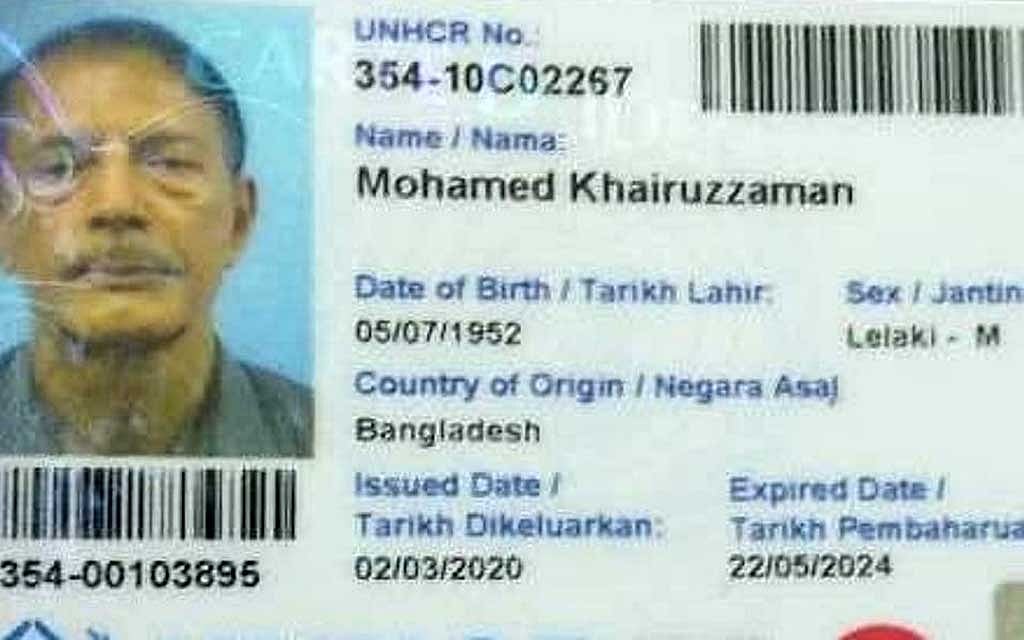
The state minister for foreign affairs spoke to reporters on Tuesday after the High Court of Kuala Lumpur ordered a halt on the deportation of Khairuzzaman, who had been accused in a case over the killing of four national leaders.
“All governments respect the courts of their countries and so do we. In this case, the Malaysian government will do the fighting. Bangladesh will surely help if the Malaysian government needs any assistance for a win,” he said.
On Nov 3, 1975, four of Bangabandhu Sheikh Mujibur Rahman’s closest associates, known as the four national leaders, were killed at Dhaka Central Jail. They were Syed Nazrul Islam, Tajuddin Ahmad, M Mansur Ali and AHM Quamruzzaman.
Khairuzzaman was named as a suspect in the Jail Killing case but was later dropped from it.
In 1975, after Bangabandhu’s assassination, Khairuzzaman joined the Ministry of Foreign Affairs.
When the Awami League came to power in 1996, Khairuzzaman was serving as acting ambassador to the Philippines but was soon recalled. On Sept 24 of that year, he was arrested and sent into compulsory retirement.
But after the BNP-Jamaat alliance formed government in 2001, Khairuzzaman was freed on bail. On May 4, 2003, he was appointed as director-general to the Ministry of Foreign Affairs. He also served as an ambassador from 2001-2006 under the BNP government.
A court dropped him and four others from the Jail Killing case in 2004. It sentenced three people to death and 12 got life terms. In 2008, the High Court acquitted two of those who got the death penalty, but the Appellate Division of the Supreme Court restored their capital punishment in 2013. All convicts are fugitives.
Meanwhile, Khairuzzaman was made a high commissioner in 2007, under the caretaker government, and sent to Malaysia.
In 2009, when the Awami League came to power, they recalled him to Bangladesh to stand trial. But Khairuzzaman secured a UN refugee card and remained in Kuala Lumpur. Malaysian authorities arrested him on Feb 10 this year.
The 65-year-old is now wanted in Bangladesh for undisclosed reasons, but his wife, Rieta Rahman, had contended that his arrest was politically motivated by the Bangladesh government, according to the Malaysian media.
The former diplomat’s legal team contends that he was a political asylum seeker with a UNHCR card and had not committed any immigration violations, and hence his detention was unlawful.
Shahriar had earlier hinted at reviving the Jail Killing case. The home and law ministries would decide on the fate of the case, he had said.
On Tuesday, he said Khairuzzaman’s family might have succeeded in funding the legal battle to stop his deportation, but the Malaysian government would defend its decision.
“It’s a different matter if we make a request or lobby [for Khairuzzaman’s deportation],” he said.













