Published :
01 Jun 2014, 08:18 PM
Updated :
08 Aug 2022, 06:49 PM

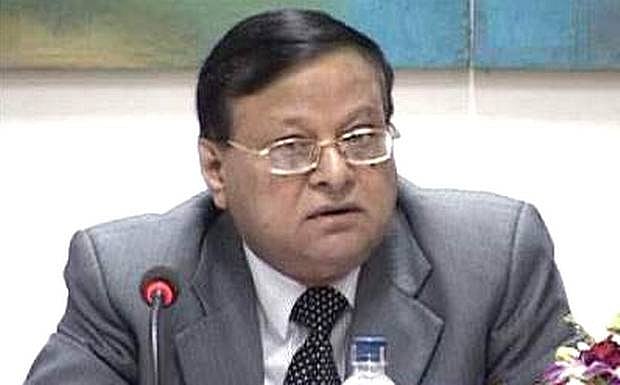
File Photo
His comment comes amid the furore that followed a comment by Law Minister Anisul Haque who claimed the party cannot be tried under the current laws.
“Only the International Crimes Tribunal has the jurisdiction to decide on this matter, this I will say as a lawyer,” said Ahmed, who was in office when the first tribunal was formed in 2010.
“The matter will come to the tribunal, and that will be the right time for a decision.”
Haque’s comment, for some, has shed doubt on the zeal to try Jamaat for its role during the Liberation War, even after the investigators slapped seven charges of war crimes against the party in their report submitted in March.
The minister, however, did say that the law will be reformed to make way for the trial.
“The legal method is to investigate the person or group in question before filing cases with any court or tribunal.
“If the probe finds evidence and witnesses, the ICT’s prosecution team will discuss it with them. The matter will go before the tribunal if both (investigators and prosecution) decide to file a case.”
“The prosecution’s role here is to see if a case can stand… and under which laws it should be filed … or if the tribunal has a jurisdiction on the matter and also to present the arguments in court. Defence counsels will argue their points,” he said.
There shouldn’t be a debate on trying Jamaat now that the tribunal has the investigation report, he added.
“I believe the law should be allowed to go in its own pace and the courts and tribunals should be allowed to work freely.”
“I also feel it is not right for me to speak more on the matter. I will say this much, the matter is now under the tribunal’s consideration.
“If the case comes before the tribunal, I believe it will take measures after examining all sides.”