File Photo
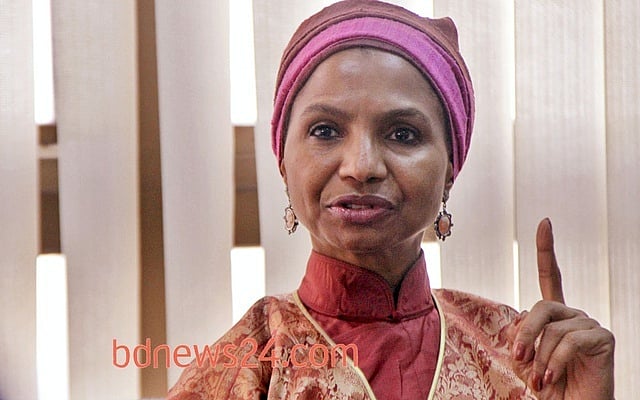
Population is an issue currently dealt with by the health ministry in Bangladesh, but UNFPA Country Representative Argentina Matavel Piccin says it should be “owned and led by the planning ministry”.
“The health ministry is good as long as the lowering fertility is concerned. Right now you are almost attaining the fertility level,” she told bdnews24.com, ahead of World Population Day on Monday.
This year, the day is themed on investing in teenage girls for a just, stable and peaceful world.
UNFPA Executive Director Babatunde Osotimehin in a message has said investments are needed “to protect their health, including their sexual and reproductive health, to enable them to receive a quality education and to expand economic opportunities, including those for decent work”.
A special time for Bangladesh
The UNFPA Bangladesh mission chief said right now Bangladesh was in a ‘special time’ in which the country has a majority of people in the working age.
“This window of opportunity needs to be maximised by investing in their education and health so that people can be more productive by having their brains more developed, having their physical and mental health taken care of. Then you have higher productivity.”
“Not yet,” Piccin said, when asked whether Bangladesh has been able to make the most of the advantage it has with population.
“Bangladesh is still not maximising the population that it has. Because you still have many people dropping out of school at the level of secondary school, primary school, and they are not all absorbed into the technical or vocational training schools.
“So you end up having people who don’t’ have enough skills, enough education to be able to produce more for the country than they could produce.
“If you have even one more year of school, it is proven that you can produce more. Girls with one more year of education, you see the change happened in her family later. One more year of education for a teenage girl makes a lot of difference,” she said.
Planning ministry’s role
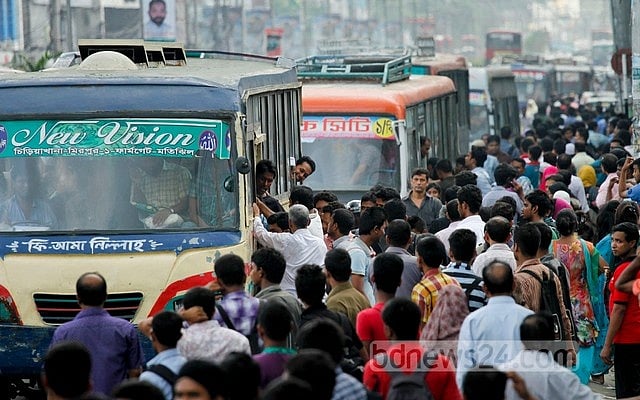
Bangladesh, though small in size, is one of the largest countries in the world in terms of population.
The government has focused on reducing the growth over the years and been somewhat successful. The total fertility rate has declined to 2.3 children per woman.
But, Piccin said the discussion on population “should not be through the lens of reduction only, it should be through the lens of maximising the human capital.”
“So we think population agenda needs to be owned and led by the planning ministry because that is the entity that leads the country in the planning of all development. They interact with finance ministry and can guide the line (health) ministry on how the population debate needs to be.”
Invest in quality education
She also stressed on funding more on education, particularly on quality education as she spoke about a whole range of population issues.
“You have a very high level of unemployment. A big majority of them are underemployed that means they are not employed full time or is not employed in a job that could utilise all their capacity.”
“You have many migrants. Imagine if you migrant were more educated, how much more (money) they could send home?”
She said it is not the responsibility of the government to give jobs to everybody, “the government’s job was to make sure that everybody is educated.”
“Then people create jobs themselves. They become entrepreneurs. That’s why we talk of human capital.”
Piccin said this year’s population day theme is to tell the world that in the new development goals, SDGs era, “unless we invest equally in teenage girls, we may not get what we want to get”.
“Teenage girls are particularly important because usually they are the forgotten part of the population. They go through puberty the same way the boys go through puberty.
“The difference is that the girls, if they are not informed, if they make a bad decision or someone makes a bad decision for them, they end up being pregnant while they are still teenage.”
“They (teenage girls) need to be in schools, need to be given the opportunity, be educated, including to be educated in their sexuality in their reproductive role,” she said.