


Published : 11 Dec 2015, 09:04 PM
Updated : 23 Apr 2022, 01:21 PM


She says she found that single women and mothers are being stigmatised here, and that persons with disability, who make up 10 percent of the total population, “don’t seem to exist”.
“I think this is very wrong,” Baroness Verma said in an interview with bdnews24.com before leaving Dhaka on Friday, ending a three-day visit.
She saw first-hand “how the UK’s support is making a difference to the lives of many people across Bangladesh” and wished for a “stronger Bangladesh” that can lead its own development.
The minister told bdnews24.com that the “inclusion of everyone is important because unless that happens, Bangladesh can’t make its way to become a developed country”.
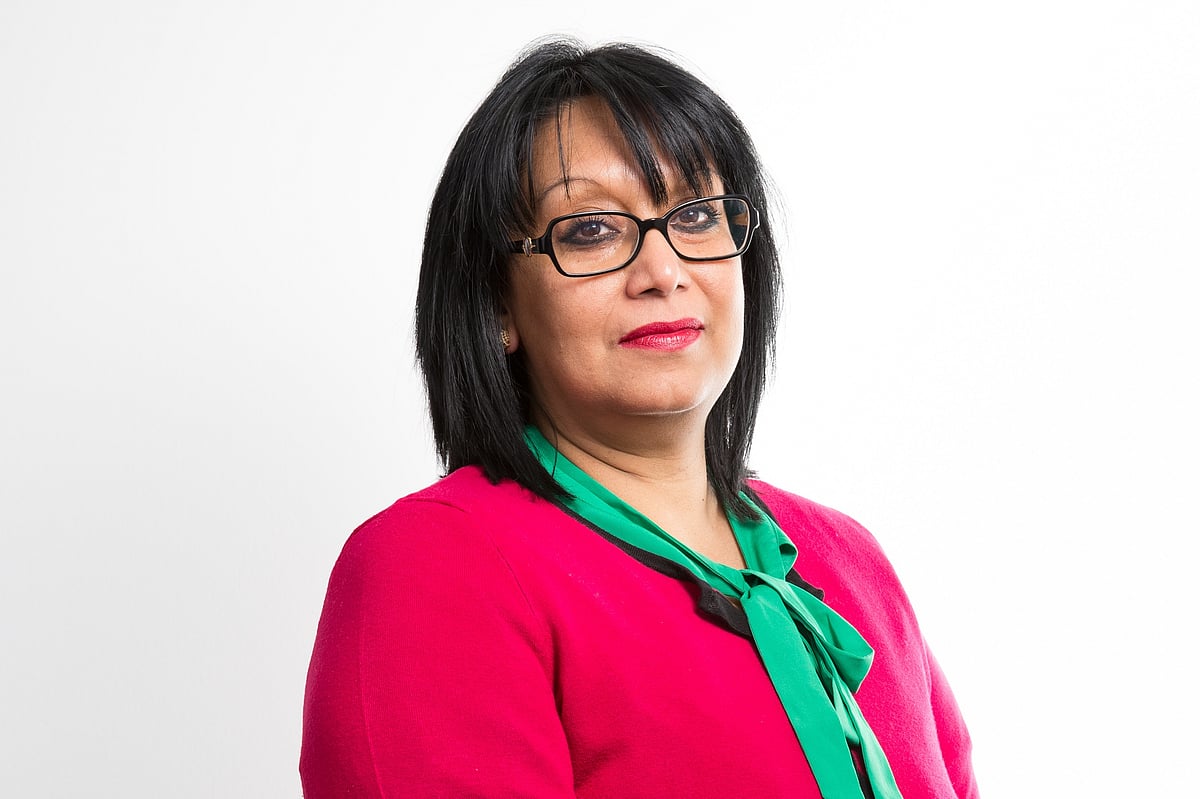
Sandip Verma, of Indian origin, is a Conservative member of the House of Lords and took charge of the Department of International Development in May this year.
Her previous visit to Bangladesh was in 2008, but this time she was surprised to learn more about how the UK-aided projects had been utilised for making “positive interventions”.
“I have come to Bangladesh to celebrate the big victories achieved with small interventions,” Baroness Verma said.
The British international development minister saw the resilience of the people and how many people led lives with “great difficulties but they have battled and struggled and are now firmly independent”.
“What makes it so worthy for us is that we can see firsthand how well aid money has been spent in such cases.”
Britain is Bangladesh’s largest bilateral donor of grants. Its aid goes to the poor and vulnerable people who either live with disabilities or acid burns or are facing the climate onslaught. But the aim is to eliminate poverty.
“What is very important is that they are not big-scale projects but more down-to-earth ones, more dealing with problems the most vulnerable of society experience,” she said, reflecting on her visits to those projects.
Her visit has preceded the implementation of the new sustainable development goals (SDGs) which begins in January.
“The SDG slogan of let no one be left behind is very significant, not just for Bangladesh but the entire world,” she said.
Baroness Verma stressed that stigmatising single women and mothers, whether widows or abandoned by their husbands “must be eliminated”.
She observed that disability was “an issue which is ignored or denied in Bangladesh”.
“Unless the disabled are both visible and participating in social development, Bangladesh will miss out on reaching prosperity for all,” she said, pointing to the fact that people with disability are not seen in public places in Bangladesh.
Activist and the daughter of Prime Minister Sheikh Hasina, Saima Wazed Hossain, who spearheads disability campaign in Bangladesh, also often points to this hard fact.
The British minister believes it is also an issue of human values. Including the disabled in society is a sign of cultural strength as well”.
She, however, was impressed by young people who are making it through by learning new skills and entering the job market.
“I met women who were considered destitute by society as they had either been widowed or abandoned. But they have made a marvellous comeback with income-generating activities and social empowerment,” she said.













