


Published : 10 Apr 2018, 10:16 PM
Updated : 05 Aug 2022, 06:38 PM


The draft law was placed in parliament on Monday, and was sent to the parliamentary standing committee on telecom and IT ministry for vetting.
"What happened yesterday (Monday) is that the Bill was tabled in the House. It will now go to the standing committee," Huq told journalists after inaugurating the training programme for the judicial officers at the Judicial Administration Training Institute in the capital on Tuesday.
"There is plenty of time to discuss it in the standing committee. A decision will be made after detailed discussions," he added.
Article 32 of the proposed law stipulates that entering a government, semi-government or autonomous establishments and secretly collecting information using electronic devices will be treated as 'spying'. The offender will face up to 14 years' jail term and a fine of maximum Tk 2 million.
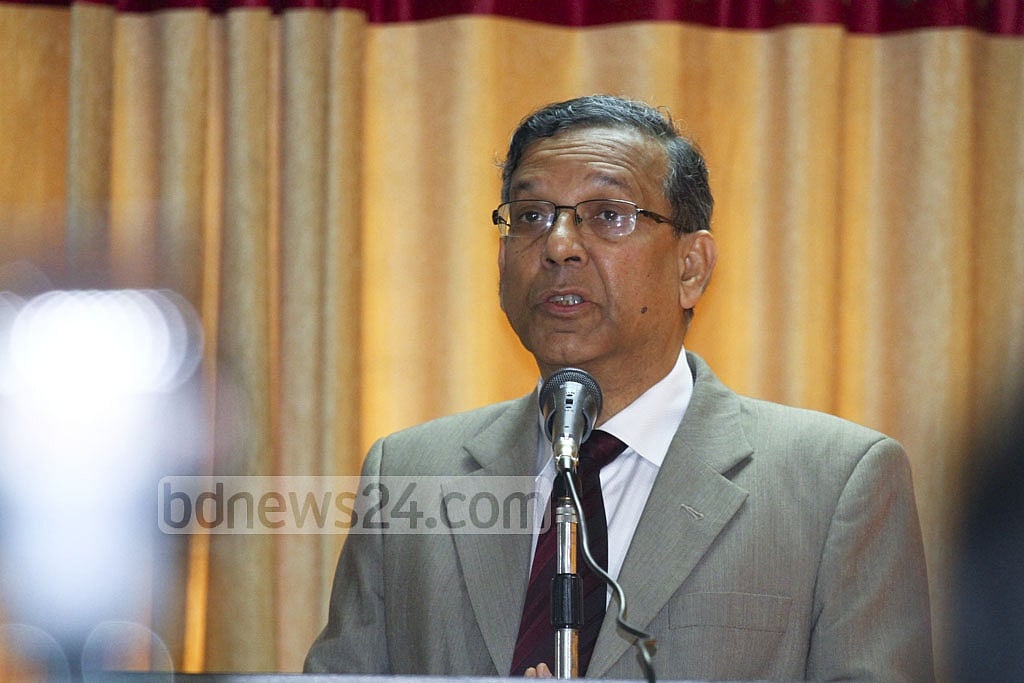
Law Minister Anisul Huq
Article 57 of the ICT Act had similar provisions which the media professionals criticised as an obstacle to freedom of expression.
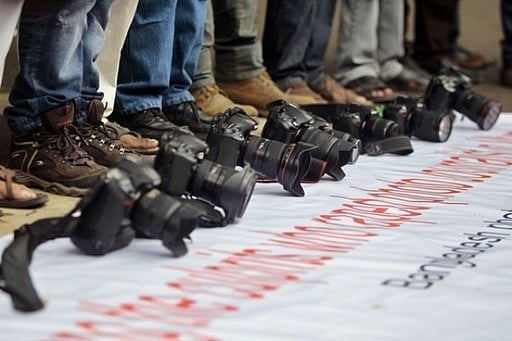
The journalists' leaders allege that Article 57 has been replaced by Article 32 in the new law and it would serve the same purpose. The objective of the law is to stop reporting on corruption by the government and semi-government officials, they say.
Alongside media workers, the rights organisations, both local and international, have also registered their protest against the proposed law.
Earlier in January, the law minister said if necessary, there would be a by-law or supplementary clause in the law to facilitate investigative journalism.
An opposition MP, Fakhrul Imam, raised the issue in parliament on Monday, the law minister noted and added, “The standing committee is the right place to discuss all those issues.”
He reiterated, "I told you not to worry. I will tell you in details later why you should not worry,"













