Published : 21 Aug 2014, 12:19 PM
Updated : 19 Oct 2022, 07:36 PM


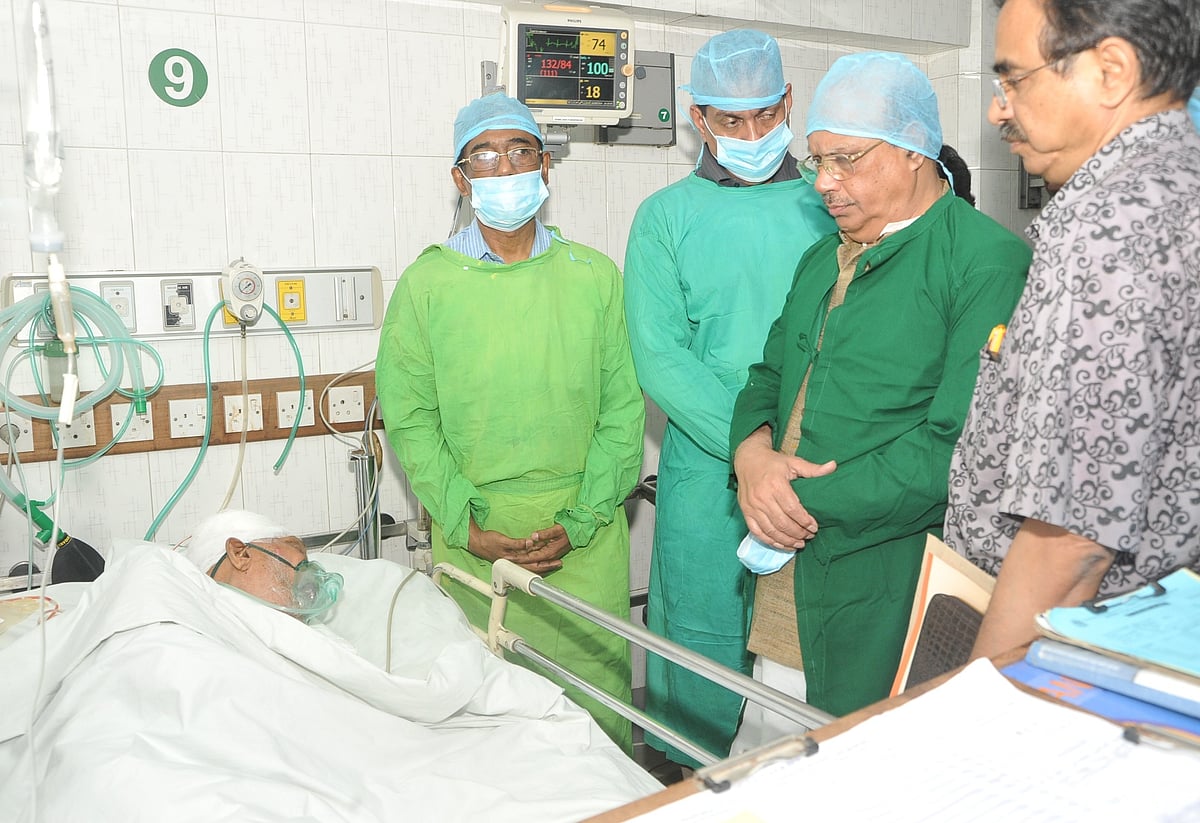
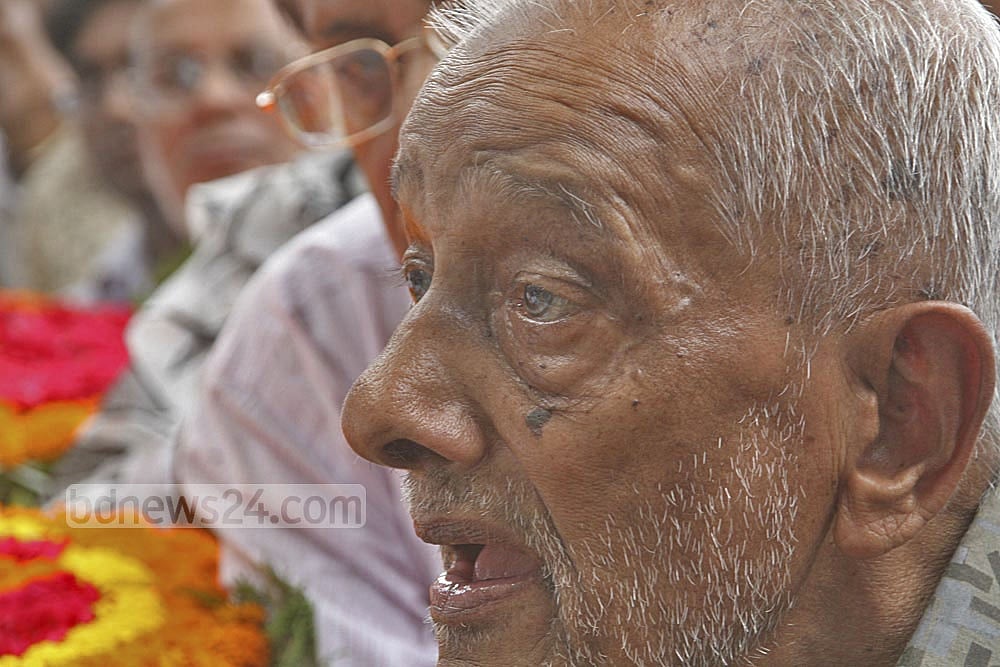
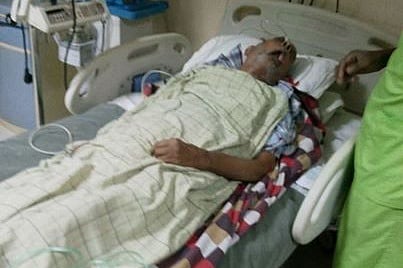
The surgery, on Wednesday afternoon at the Bangabandhu Sheikh Mujib Medical University (BSMMU), was to remove a blood clot in his brain.
"He is still unconscious. The right portion of his body is not functioning," his brother-in-law Tipu Biswas told bdnews24.com on Thursday.
Matin was admitted to Dhaka's City Hospital on Monday in critical condition.
Doctors identified the blood clot and he was transferred to BSMMU on Tuesday.
On Wednesday, he underwent a surgery by neurologist Afzal Hossain, which was described as 'a primary success'.
BSMMU Vice Chancellor Prof Pran Gopal Datta said the hospital was bearing the expenses of Matin's treatment.
Matin, a leader of the Workers' Party of Bangladesh, was born on Dec 3, 1926 at Dhublia village under Sirajganj’s Chouhali Upazila.
He joined the Dhaka University in 1945.
He is known as ‘Bhasha Matin’ (language warrior Matin) for his role as the convenor of all-party state language movement committee in 1952.
The veteran played an active role in forming the Chhatra Union after the Language Movement and became its president later.
He then got involved in communist movement.
Matin was appointed the secretary of the Communist Party’s Pabna district unit in 1954, but joined Maulana Bhasani’s NAP three years later.
He formed the ‘East Pakistan Communist Party’ a year later.
In 1992, he played a major role in forming the Workers Party of Bangladesh and resigned in 2006.
He joined the Workers' Party again three years later, when it was reformed under Haider Akbar Khan Rono. Matin remained with it, although Rono later moved to the Communist Party of Bangladesh.
The veteran has authored several books on the Language Movement.
Of them, ‘Bangali Jatir Utsya Sandhan and Bhasha Andolan’ (In search of the Bengali’s roots and the Language Movement), ‘Bhasha Andolan Ki Ebong Keno’ (why the Language Movement and how it took place), and ‘Bhasha Andolaner Itihash’ (the history of Language Movement) are well known.