


Published : 14 Apr 2016, 12:54 PM
Updated : 19 Oct 2022, 05:13 PM



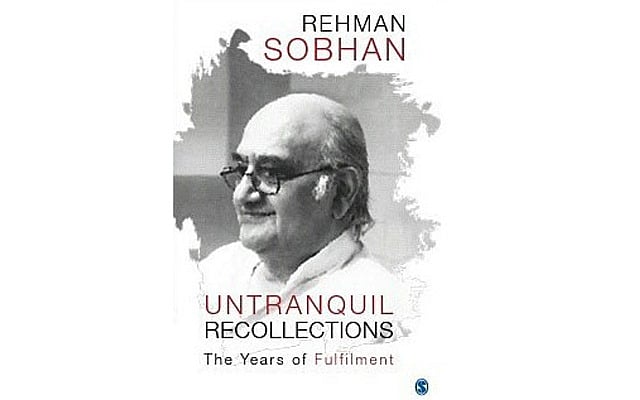
In his recent memoirs ‘Untranquil Recollections: The Years of Fulfilment’ published by Sage in India, Sobhan lashes out at the Jamaat-e-Islami for the murder of the scores of Bengali intellectuals at the behest of the Pakistan army in the last days of the Liberation War.
"This final act of collaboration by the Jamaat, manifested in their murder of intellectuals in the last days of the war, came as less of a surprise as the Jamaat has been quite conspicuous in their open links with the Pakistan army," writes Sobhan in his memoirs.
"The Pakistan army had militarily trained and equipped Jamaat cadres to serve as killer squads who were assigned historically inspired designations such as al Badr and al Shams. These squads had already been active as auxiliaries of the Pakistan army."
"It was reported that as Bangladesh's liberation became imminent, a Pakistani general, who had prepared a list of key Bengali intellectuals to be eliminated as part of a parting legacy for the independent state of Bangladesh, sent out these killer squads to do their dirty work."
He, however, does not name the Pakistani general.
Sobhan goes on to argue that the present war crime trials enjoy huge public support as Bengalis largely feel this was long overdue.
"The murder of the intellectuals reinforced the almost universal belief among Bengalis that these Bengali assassins should be tried and punished not just for their collaborationist role but for being agents of genocide," writes Sobhan.
He provides many unknown or not so-well known details like how the Chinese had clearly sent signals to the Bangladesh government-in-exile.
"They had informed the Mujibnagar government through some Bengali diplomats in Pakistan's Beijing embassy secretly that China will not militarily intervene to stop creation of Bangladesh, though it may continue its military supplies to Pakistan. That message was sent to some other channels as well," says Sobhan.
He wonders whether that influenced 'many subsequent events in South Asia' — perhaps hinting at India's decision to militarily intervene because the Mujibnagar government would have surely passed on this information to the Indian government.
Indian army chief General Sam Manekshaw told many friends and journalists after the War that his decision to launch the offensive into East Pakistan in the winter was motivated by the 'inability of the Chinese army to intervene effectively' because the Himalayan passes are closed by snow after early November.
That may have been one of the reasons for the lack of Chinese enthusiasm to militarily intervene by launching an attack on India's Northeast, but many recent books have testified to the fact that Beijing was by the middle of the war convinced that Bangladesh was soon going to be a reality.
"Beijing tried to convince Pakistan to go for a political settlement with the Bengali leadership. That did not work," says Sobhan.













