November 23, 2026

Government planning better management of Ratargul swamp forest

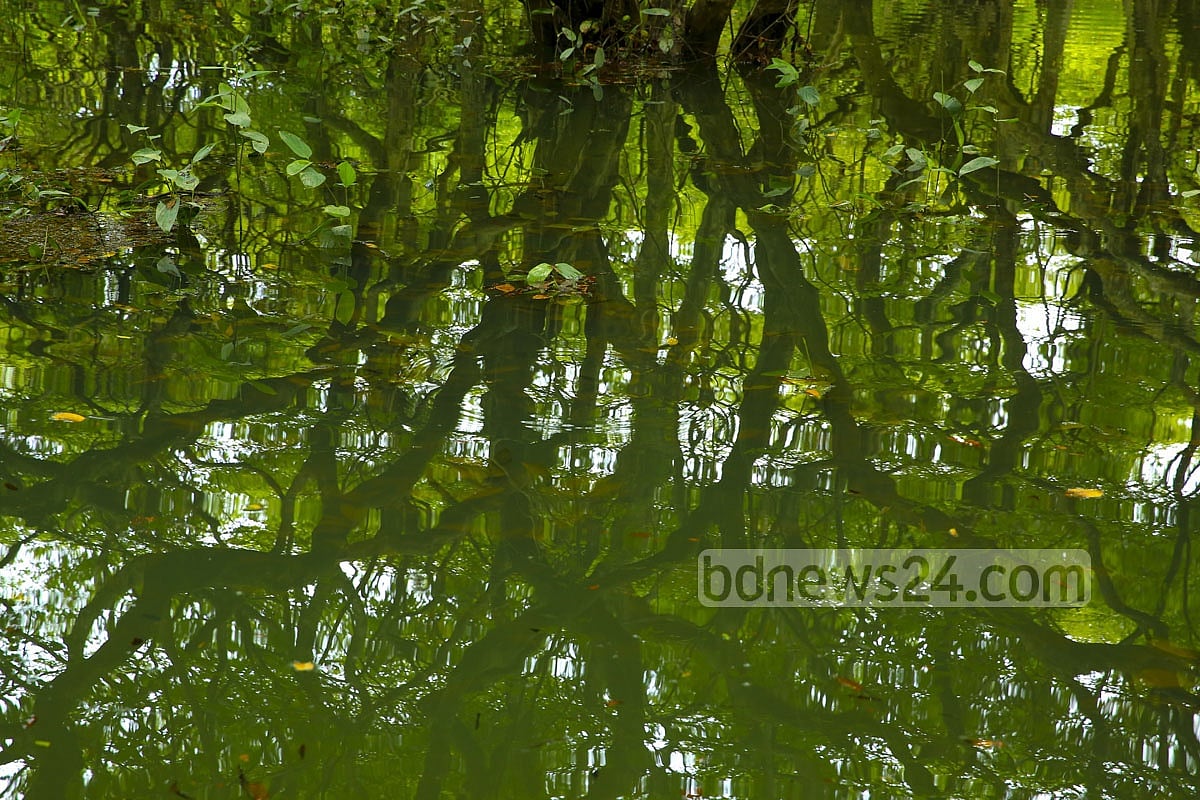
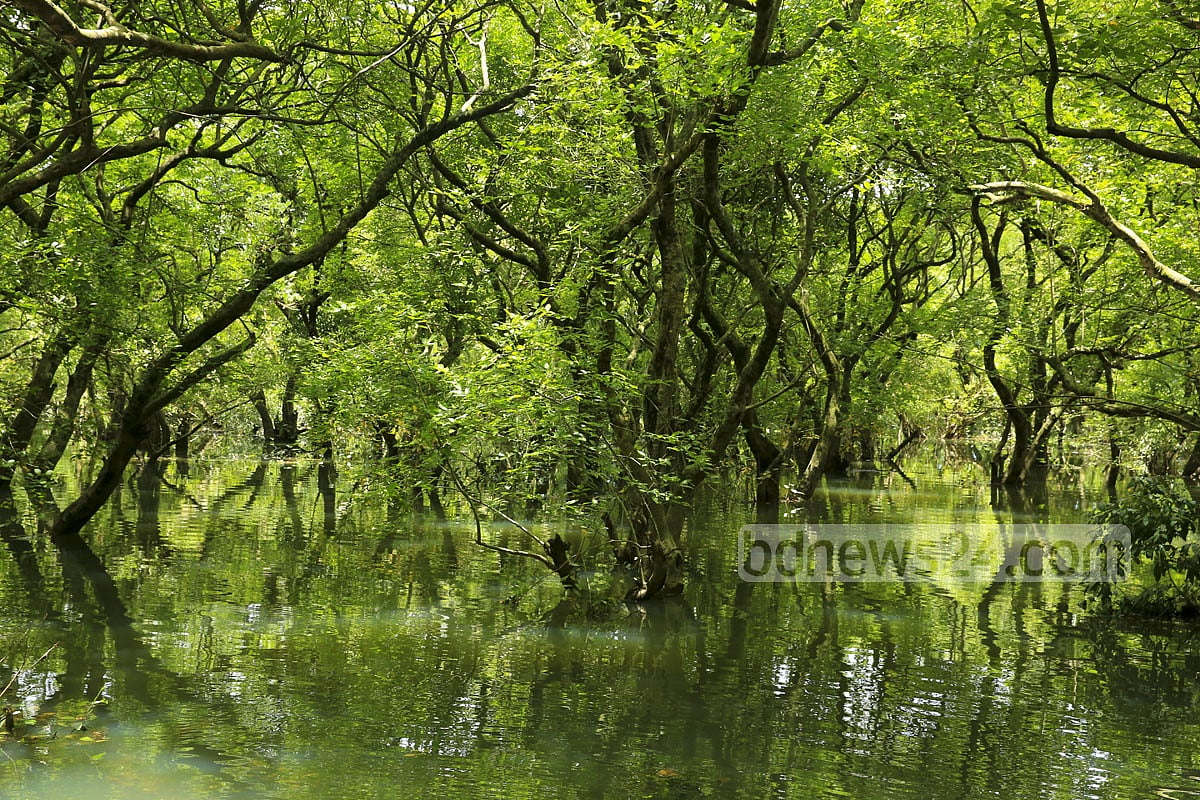
It was a little known place a few years ago, but the Ratargul swamp forest is now an attractive tourist destination.

Reazul Bashar

bdnews24.com

Published : 25 Sep 2015, 11:09 AM

Updated : 19 Oct 2022, 06:58 PM

Image
Photo: mustafiz mamun/ bdnews24.com

Image
Photo: mustafiz mamun/ bdnews24.com
Image
Photo: mustafiz mamun/ bdnews24.com

The government is currently working on a plan to draw more tourists to the place while keeping its forest and biodiversity intact.   
 
Ratargul is just about 16 km away from the Sylhet City, spread over 504 acres in the Goainghat Upazila. This swamp had always been there but has gained publicity as an enchanting tourist retreat over the past five years or so, thanks to the media.
 
“The tourist flow to the place has increased considerably because of the attention it has got in the media and social networks,” Rajesh Chakma, Assistant Conservator of Forest, Sylhet forest division, told bdnews24.com.  
 
“This is the biggest water body in the country; that’s its main attraction.”
 

Image
Photo: mustafiz mamun/ bdnews24.com

Photo: mustafiz mamun/ bdnews24.com

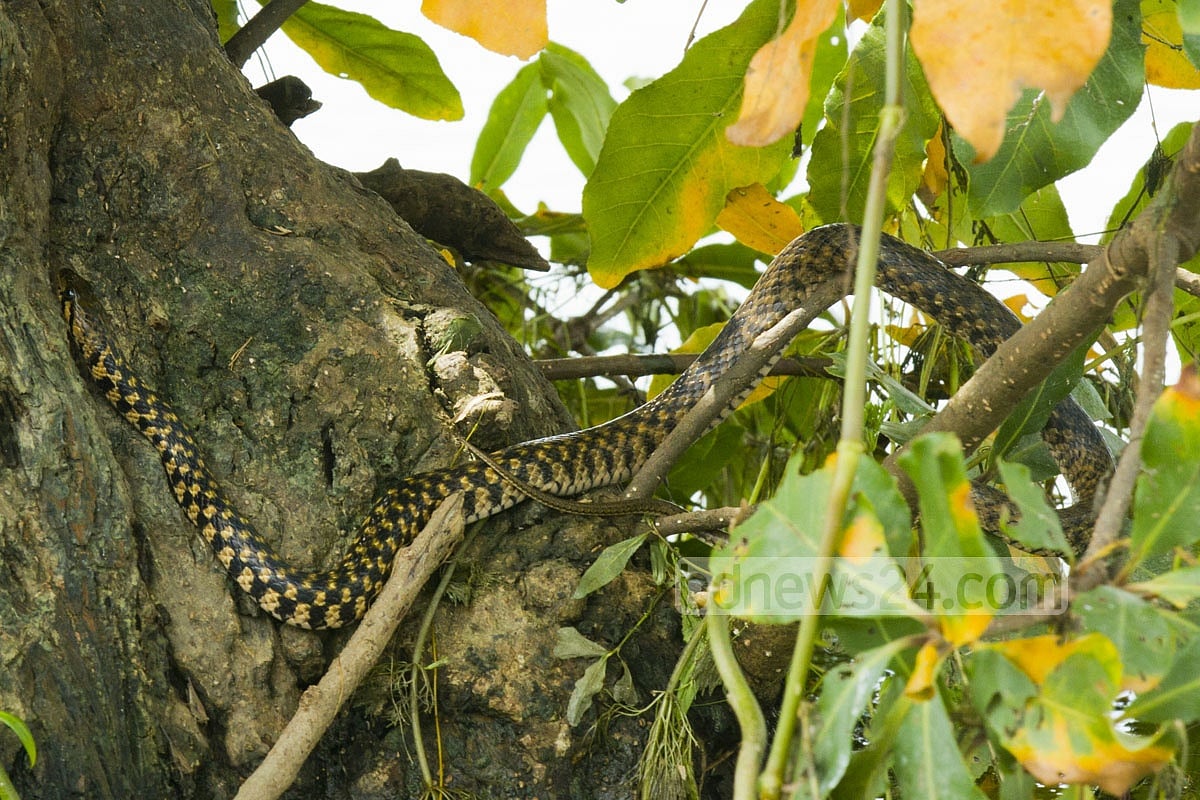
Thousands flock to the place daily to see a forest partly submerged for nearly six months a year. But local people say the mounting tourist pressure is telling on the place’s biodiversity. Boatman Sona Mia does not approve of the trend. “Tourists are all over. How will wild creatures move freely?” he asks. According to the forest department, Ratargul hosts 73 species of plants, 26 species of mammals, nine types of amphibians, and 195 species of birds. One can spot monkeys, venomous and non-venomous snakes, fishing cats, civets and mongoose in the forest tapestry. Among its winged inhabitants are Saras, Dupis, Cormorants, Dahuks, Egrets, Shalik, Oyikka, Crows, Cuckoos, Parrots, Mynahs, Owls, and Eagles.     The government declared Ratargul a Special Biosphere Reserve to protect the forest’s environment and ecosystem.

“Our main aim now is to establish control over this wilderness. At the same time, we cannot prevent people from savouring the beauty of nature. But we must ensure that the forest’s environment and ecosystem are not harmed,” said Chakma.
 
“We are planning to draw up a route map for tourists, beyond which they will not be allowed to venture.”
 
Lately, a watch tower has been built for their benefit.

Image
Photo: mustafiz mamun/ bdnews24.com

Photo: mustafiz mamun/ bdnews24.com

Besides, the local people’s dependence of forest products also appears to pose a threat. So, the government is trying to work out ways to wean them away from the jungle by providing alternative means of livelihood.     “Joint management committees of people and the government don’t’ exist here. We will now form them.” Commercial resources like cane and other products have already been brought under the joint management system. The revenue earned is being divided among the people (45 percent) and the government (45 percent), while the remaining 10 percent is spent on forest regeneration.    The main trees of Ratargul are Hijalkarach, Banyan, wild Jaam, Latim, and a variety of creepers. Chakma said the government planned to plant more trees, filling up the spots where the cover has thinned, thus enlarging the food basket of wild creatures. Ratargul had been acquired by the government as a parcel of forest land by invoking a 1950 land acquisition law. It was declared a notified forest in phases in 1951, 1966, and 1967.  Much of it was later turned into a reserved forest in 1985. 
Related Stories