Published : 01 Oct 2013, 08:19 PM
Updated : 09 Aug 2022, 11:09 AM


The BNP leader, who has been an influential figure in national politics despite his baggage of war crimes, reminds Raozan inhabitants of a dreaded criminal whose name give people a cold sweat.
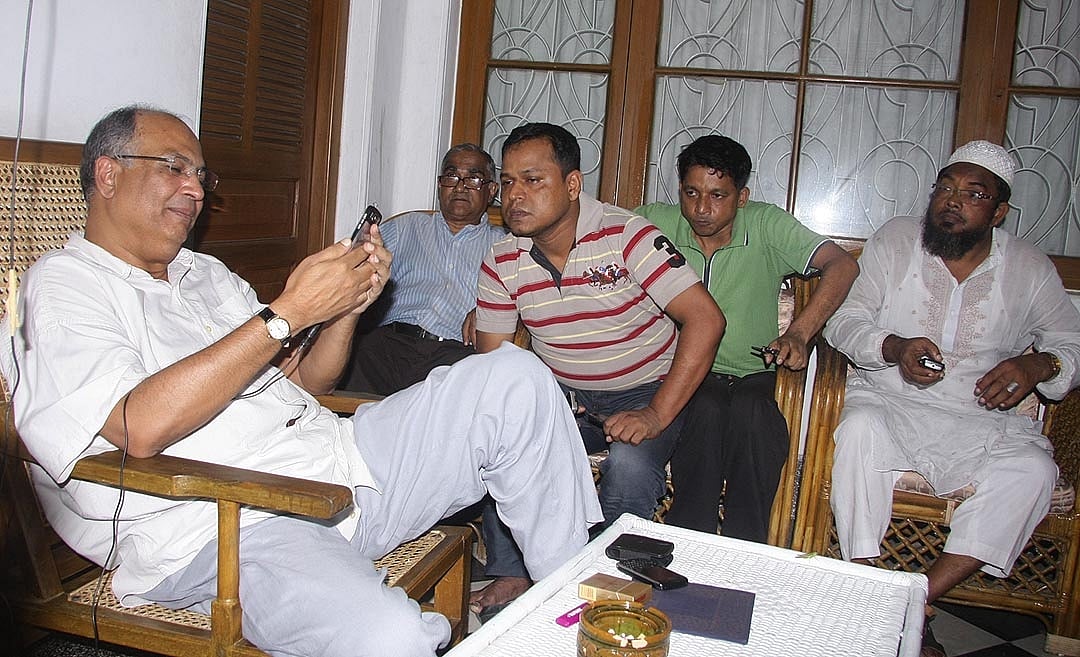
Many people living here especially minority Hindus refused to comment on Salauddin’s death sentence when approached by journalists.
The few who picked up the courage to speak chose to remain anonymous.
Raozan is one Chittagong neighbourhood that had suffered Salauddin’s gruesome brutality, sponsored by the Pakistani army, in 1971.
Salauddin Quader comes from a family infamous for its abuse of power and ill treatment of ordinary people.
His father, AKM Fazlul Quader Chowdhury, was an elected MP from the area when Pakistan ruled this part of the world. A Muslim League leader, an Acting President and Parliament Speaker of Pakistan, Fazlul was defeated in the national election of 1970, just a year before the Liberation War against Pakistan began.
Several members of this dreaded family became MPs from this area in elections after Bangladesh became independent. It is alleged that Hindu voters were forced to stay away from the polls that Salauddin Quader and his relatives had repeatedly won.
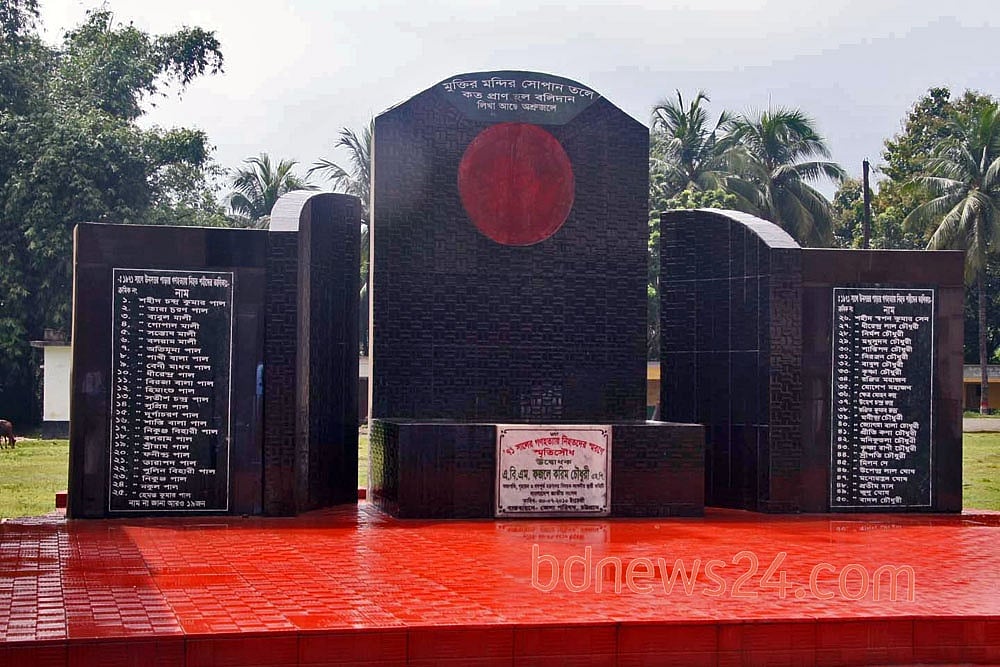
The Unosottor Parha still bears the scars of war-time brutalities. In one macabre incident, over a hundred Hindus were slaughtered in a day.
The International Crimes Tribunal found Salauddin Quader guilty of this 1971 genocide and ordered that he be hanged until death.
He has also been sentenced to 20 years’ imprisonment on another proven charge that had accused him of herding 32 Hindus in the courtyard of a house at Jogot Mollo Parha and killing them.
The members of those traumatised martyrs’ families kept indoors on Tuesday when journalists tried to get their reactions to Salauddin Quader’s death sentence.
The most prominent of his many victims was Nutan Chandra Singha, the owner of a drugstore, Kundeswari Oushadhalay. The shop was closed on Tuesday.
The pharmacy is a part of Nutan’s residence. When journalists tried to get in touch with people in the house, security guards blandly said no one was in.
In 1971, Salauddin had dragged Nutan from a temple within his house and shot him dead. Salauddin got death for this murder, too.
The Jogot Mollo Parha looked deserted, with most men having left the area. Journalists found only a few elderly residents staying back in the village. And all attempts by the media to make them recount the atrocities of 1971 met with stoic silence.
With fear writ large on their faces, the residents shut the door on the reporters, clearly apprehensive of another wave of torture by Salauddin’s family in the wake of the verdict.
A few people who spoke on the condition of anonymity said the area’s inhabitants suffered threats and torture by Salauddin Quader not only during the Liberation War but even long after freedom was won.
“Their past has forced them to keep their mouth shut.”