


Published : 31 Jul 2017, 09:14 PM
Updated : 11 Apr 2022, 09:14 PM


The suggestion came amid Dhaka South City Mayor Sayeed Khokon’s announcement that they are ready to provide physiotherapy services to the patients at home as the mosquito-borne viral disease has created a panic among the city dwellers.
The government has been accused of downplaying the situation.
The IEDCR in a statement on Monday said their national committee headed by the director general for health services has found that the incidence of the disease is declining, but advised caution.
The caution against physiotherapy came from another expert committee meeting with the doctors of different disciplines and physiotherapists.
They observed that physiotherapy can cause even harm to the chikungunya patients if not given at the right time.
They agreed that physiotherapy cannot be administered until fever subsides, and advised the patients to take paracaetamols only and apply ice or any other cold therapy to the joints to ease pain.
Three months following the chikungunya, patients are recommended to take light exercise at home. If pains still persist, they are advised to see specialist doctors.
Both dengue and chikungunya show some common symptoms such as fever and pain. But in chikungunya, the pain is so severe that people cannot move. It involves all the joints.
Treatment is mainly focused on relieving the symptoms.
The name Chikungunya came from the word ‘Makonde’ meaning bending up, referring to the posture developed as a result of the arthritic symptoms of the disease. It was first identified in 1953 in Tanzania. India reported an epidemic in 1964.
Bangladesh found the first case in 2008 in northern Rajshahi and Chapainawabganj districts. The IEDCR noticed the presence of the disease in the outskirts of Dhaka later in 2011.
This year, it became a household name in Dhaka with some survey pointing that one in 11 people suffered from chikungunya.
The government’s IEDCR denied those reports, but could not explain widespread fever in the capital.
It has established a hotline, 16263, for the public.
The national committee also observed that dengue is still prevailing.
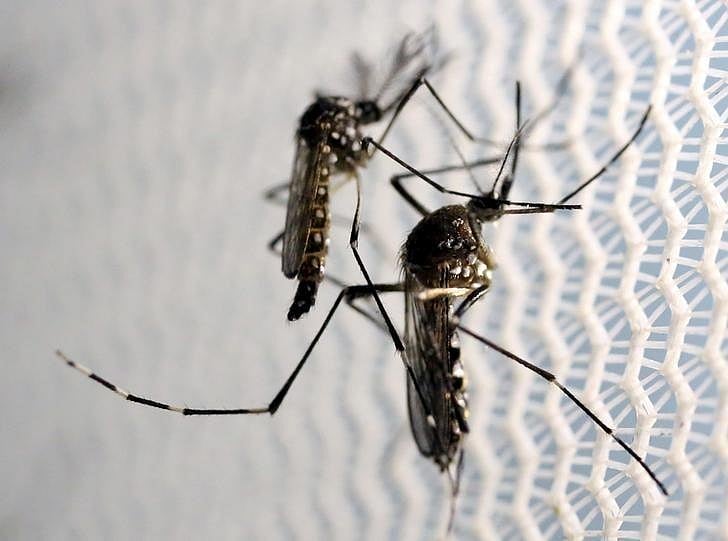
Citing an entomological survey, it said that Aedes mosquito is still breeding higher than the usual level and urged the city corporations to continue their mosquito control programmes.
Private hospitals have been asked to report their chikungunya patients to the government centre.
Removal of all open containers with stagnant water in and around the houses on a regular basis – flower plates and pots, used tyres, tree holes and rock pools – have been advised as the Aedes mosquito usually breeds in a small collection of clean water.













