Published : 14 Oct 2026, 05:28 PM
Updated : 14 Oct 2026, 05:28 PM


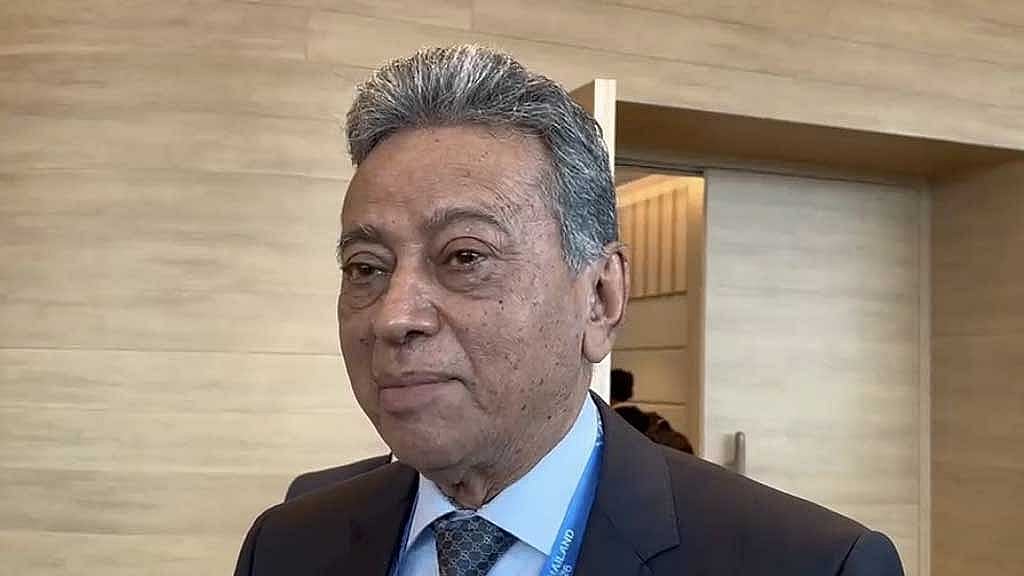
Bangladesh now expects “support”, including grants, from the United States after agreeing to buy 25 aircraft from US manufacturer Boeing and increasing imports of oil, wheat and essential commodities from the country, Finance Minister Amir Khosru Mahmud Chowdhury says.
“We have strongly made the point [in talks with the US Treasury] that if the support does not come now, then when will it?” he said.
“This is a relationship in which Bangladesh imports so much. We are reducing the balance-of-payments gap, as they have asked us to do. In that context, this support should come. They have agreed with us. Let’s see what happens.”
Khosru made the remarks on Wednesday while briefing journalists about discussions with the US Treasury Department on the sidelines of the ongoing annual meetings of the IMF and World Bank Group in Bangkok, Thailand.
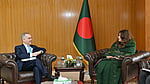
“We had a meeting here with the US Treasury. We discussed US assistance on debt management as well as the overall US-Bangladesh relationship,” he said.
“We also discussed with the Treasury the US body that provides grants. In the past, we did not really receive anything from them. We told them that currently, where Bangladesh-US relations now stand, with Bangladesh buying a large number of aircraft, oil, soybeans and other commodities, the time has come for this kind of US support to be extended to Bangladesh.”
The trade war launched by US President Donald Trump last year had repercussions for Bangladesh.
Faced with pressure from Trump’s 35 percent tariff, the interim government announced in July 2025 a decision to buy 25 aircraft from Boeing.
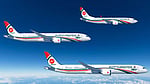
After the BNP returned to power in February following 19 years out of office, the government initially signed a deal in April to buy 14 Boeing aircraft. Five months later, it announced an agreement to purchase another 11, taking the total number of Boeing aircraft Bangladesh plans to buy to 25.
Days before the interim government’s tenure ended, Dhaka and Washington also signed the “Agreement on Reciprocal Trade”, or ART, on Feb 9.
Discussion of the deal remained largely out of the spotlight amid the election frenzy.
But as businesspeople and analysts began scrutinising its provisions, they described it as a “tough” deal for Bangladesh. Some also said it contained more “political elements” than trade considerations.
After taking office, the BNP government showed its determination to move ahead with the agreement and later struck the Boeing deals. It is now citing these developments in its efforts to secure US grants or other financial assistance.
However, given the stage Bangladesh’s economy has reached, opportunities for such assistance are limited.
With its graduation from least developed country status approaching, Bangladesh is moving into an environment where borrowing will come at higher interest rates.
Grants are generally available to countries facing war or severe economic distress. Bangladesh has moved considerably away from such circumstances over the past few decades.
The finance minister also stressed the need for an investment-driven economy, pointing in particular to efforts to attract Chinese investment.
“We had extensive discussions with the Export-Import Bank of China. We talked about how Chinese cooperation can play a positive role in investment in Bangladesh,” Khosru said.
“Through the support we are seeking, we have talked about changing the financial architecture. For example, rather than relying solely on sovereign loans and ODI loans, we want to move towards some equity investment.
“In other words, we are gradually moving away from debt and towards investment. We are moving towards partnerships. So, in the coming days, we want Chinese financing to gradually shift from loans towards investment. We discussed this, and we expect to see a change in this regard.”
He said the talks also covered both joint ventures and standalone investments.