November 23, 2026

Doctors told to get ready for possible MERS onslaught after Hajj

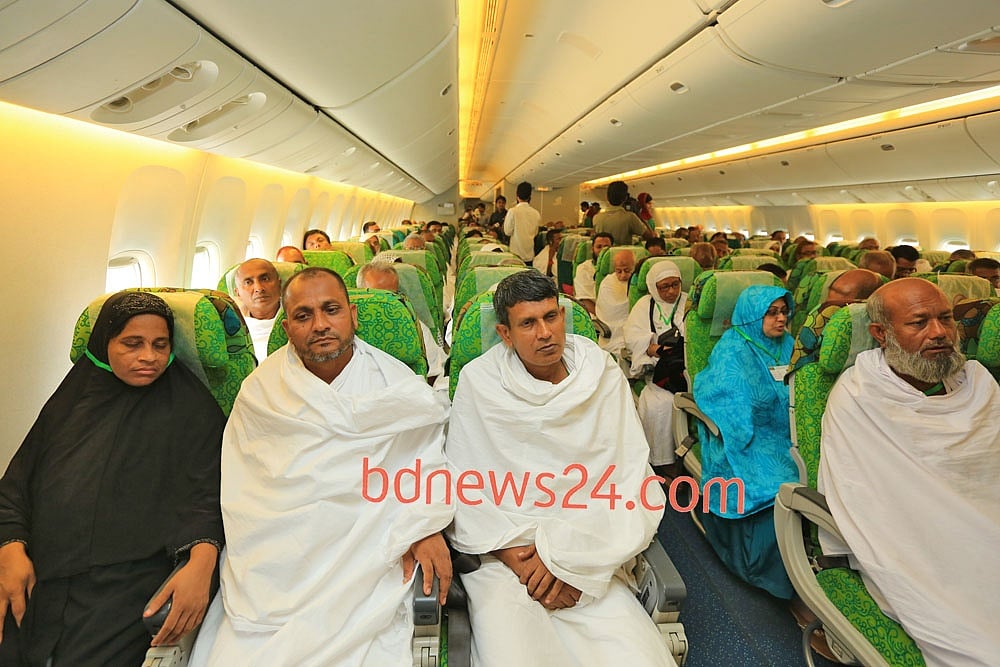
The Bangladesh Society of Medicine has urged doctors to be prepared to face any possible onslaught of Middle East Respiratory Syndrome (MERS) after the return of Hajj pilgrims.

Senior Correspondent

bdnews24.com

Published : 12 Aug 2014, 11:33 PM

Updated : 19 Oct 2022, 07:36 PM

Image
File Photo
Image
File Photo
Image
File Photo

Also Read:

‘Send Hajj pilgrims only if capable of resisting MERS’

Also Read:

CORRECTED-Mask must for hajj pilgrims

Also Read:

First case of MERS in Bangladesh

Also Read:

Bangladesh’s Hajj preparedness focuses on MERS

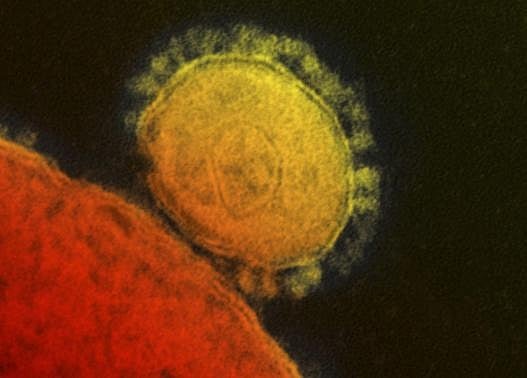
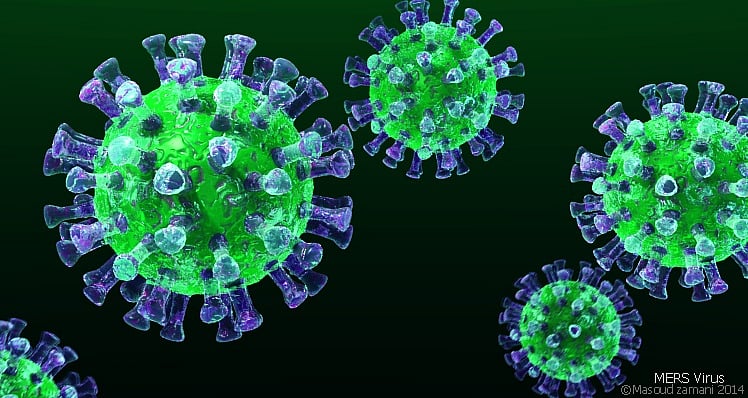
Bangladesh’s Hajj preparations have focused on the deadly coronavirus prevention.

The national disease monitoring agency, IEDCR, recorded the first case of the virus in June.

But it ruled out any national threat after tracing all the contacts of the person who carried the virus presumably from a Dubai stoppage on his way back to Dhaka from US.

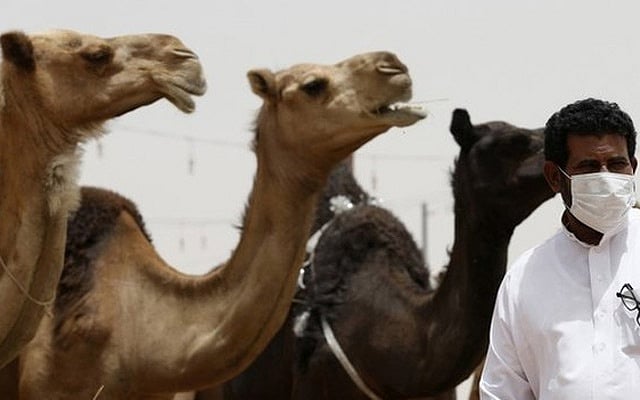
But the Saudi Arabian authorities who were grappling with the virus that emerged in 2012 in the kingdom, wrote to Bangladesh, as it did to many other countries, to take extra preparations this time before sending Hajj pilgrims.

They advised the authorities not to send those aged 60 years and more and children, who are less immune to fight an infection.

The medicine specialists’ organisation, Bangladesh Society of Medicine (BSM), with Dhaka Medical College medicine department and teachers’ association on Tuesday organised a seminar to update doctors and medical students on the virus.

Image
File Photo

File Photo

“We have to be vigilant,” said Prof Khan Abul Kalam Azad, a vice-president of the Society of Medicine. “We should keep ourselves ready to fight off any surge”. DMCH authorities including college principal Prof Md Ismail Khan, hospital Director Brig Gen Mustafizur Rahman and head of the medicine department Prof HAM Nazmul Ahasan spoke the seminar. It was moderated by associate professor and scientific secretary of the Society of Medicine Dr Md Titu Miah. President of the Society of Medicine Prof Quazi Tarikul Islam chaired the seminar held at Dhaka Medical College. The virus has so far spread to 22 countries including Bangladesh and killed more than 30 percent of infected people. The Bangladeshi victim, however, has recuperated. Last year, the government had to take preparations for MERS prevention before Hajj, but there had been no cases among the pilgrims in Makkah where millions enter every year in Hajj season. But the World Health Organisation has not ruled out the threat this year, though the virus finally showed signs of abating after April. “We are not sure what will happen. So we have to be prepared,” Prof Azad said asking the doctors to take “courage” for their treatment. Healthcare workers have been found infected with the virus that passes from person-to-person after initial transmission from camels. The DMCH director has urged all to follow guidelines properly. “Sometimes we (doctors, nurses) do not take protective measures necessary to attend to any specific patients. It’s a dangerous practice. We must follow the rules,” the director said. The Society of Medicine has formulated guidelines for the physicians on practice in managing MERS, though there is no specific cure for this virus. The treatment focuses on symptomatic management of fever, pneumonia and breathlessness. The medicine specialists’ body has also printed a booklet containing messages on health issues including MERS both in Bangla and English for the pilgrims who will travel to the holy city. Authorities say nearly 100,000 people will go for Hajj this year and they will be provided with masks by the health administrators of the districts.
Image
File Photo

File Photo

The IEDCR earlier said people with diabetes, cancer, and uncontrolled hypertension would be discouraged from performing Hajj. The national agency also suggests covering mouth and nose when coughing or sneezing, washing hands, and keeping a distance of one metre with other persons who have fever and breathing distress. It has also urged all to avoid any camel products and crowds other than mandatory gatherings for Hajj rituals.
Related Stories