


Published : 23 Jun 2014, 11:17 PM
Updated : 08 Aug 2022, 06:54 PM


An inter-ministerial meeting on Monday also decided to make it mandatory for pilgrims to take vaccines for the preventable diseases.
MERS appears as a public health concern in Saudi Arabia where millions of people will convene during the hajj.
The Saudi authorities had earlier written to Bangladesh requesting preventive measures for its pilgrims.
Religious Affairs Secretary Md Babul Hasan told reporters that masks would be sent to the pilgrims through district health administrators.
He said all the pilgrims would be vaccinated against preventable diseases this year.
He said they would be taught how to sneeze and cough to prevent spread of diseases.
Hasan said many pilgrims go to Saudi Arabia every year without taking necessary precautions.
But this year they would take extra care.
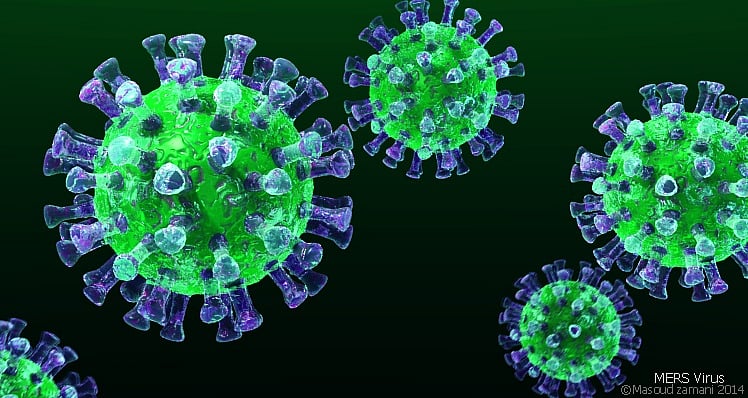
The strain of coronavirus that causes MERS was first identified in 2012 in Saudi Arabia.
But this year it rang the alarm bell ominously due to its unabated spread.
So far it spread 22 countries including Bangladesh and killed more than 30 percent of infected people. But the Bangladeshi victim has recuperated.
The WHO says Saudi Arabia has made “significant efforts” to strengthen infection prevention and control measures, but the situation continued to be “of concern” especially given an anticipated increase in travel for Umrah, Ramadan and the hajj.
Bangladesh government’s disease monitoring arm, IEDCR, earlier suggested covering mouth and nose when coughing or sneezing, washing hands, and keeping a distance of one metre with other persons who have fever and breathing distress.
Its director Prof Mahmudur Rahman said special instructions would be given not to drink camel milk or any camel products.
Prof Rahman, who is also a WHO expert on MERS, said Saudi Arabia might not slaughter camel this year.
He also urged all to avoid crowds during hajj time other than mandatory gatherings for hajj rituals and report to the hospitals if any of them fell sick within 14 days of returning home.
(This story was corrected at 1:09am on June 24)
Also Read:
First case of MERS in BangladeshAlso Read:
One Bangladeshi dies of MERS






