


Published : 07 Aug 2019, 04:44 PM
Updated : 17 Oct 2022, 11:43 AM


“If there is no issue of compensation or insurance involved, then there is no need for a death review committee,” Prof Dr Mahmudur Rahman, a former director of the government’s disease monitoring arm, IEDCR, told bdnews24.com.
“When hospitals diagnose patients of dengue or when doctors say a patient has died from dengue, you have to accept that. This information is enough. Now you are creating a smokescreen. Everyone can see people that are dying from dengue but you are saying its not dengue. This can only create confusion,” he said.
He also said that the outbreak of disease has reached "epidemic proportions".
“But it's upto the government to decide whether to declare it an epidemic or not”.
Prof Rahman was the only Bangladeshi to sit in several experts’ committees of the World Health Organisation to review global outbreaks.
“No country is doing this review. A death review committee is needed when you compensate people.”
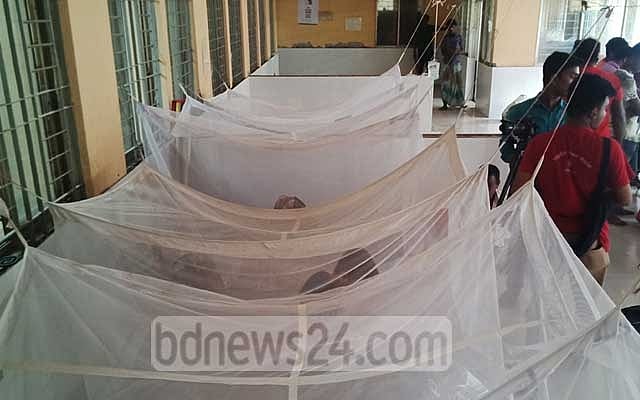
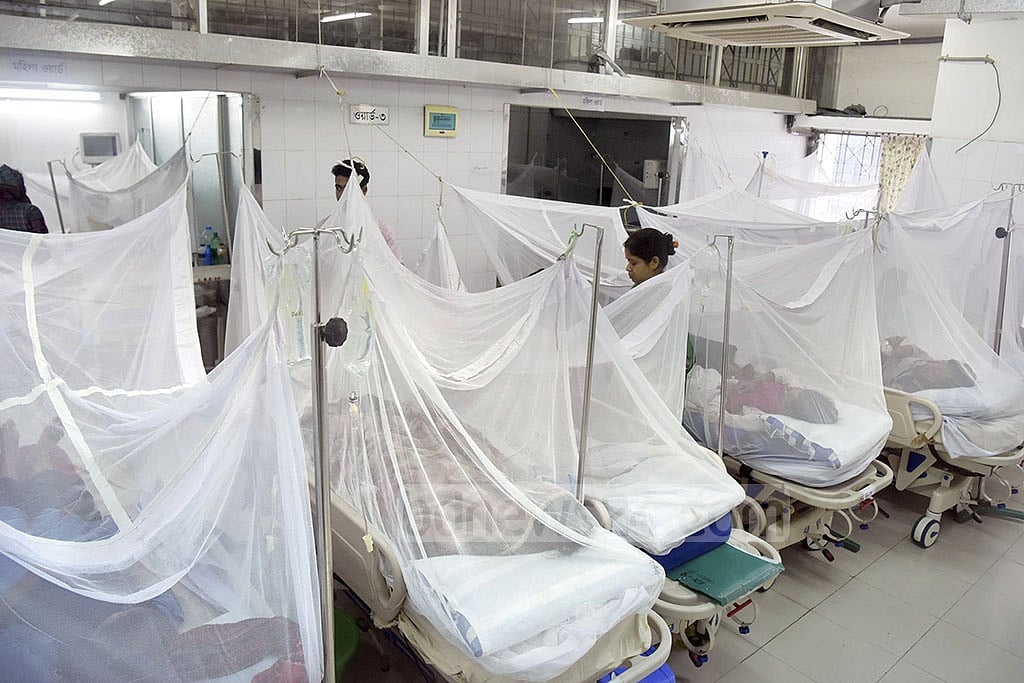
The ongoing bout of the viral disease has affected a record number of people across Bangladesh this year, according to several reports.
Based on the data collected from different hospitals, media reports indicate that the death toll has crossed 100. But a government review found only 23 fatal cases as of Tuesday.
The Dhaka Medical College Hospital, which is the top state-run hospital in Bangladesh, said at least 17 people died from dengue in their hospital alone. But those figures are not reflected in the government’s central list.
The government's eight-strong review panel is led by the director of the IEDRC.
bdnews24.com earlier questioned the veracity of the review, to which, IEDCR Director Meerjady Sabrina Flora said, “We cannot say anything unless confirmed by a responsible institution.”
She said a review committee of experts headed by her, confirms a death by following three-pronged approach.
"First we assess all the clinical documentations and treatment and hospital records before conducting a verbal autopsy and collecting samples for PCR (a test to detect the genetic characteristics of the dengue virus in the blood) in the lab."
Asked why there had not been any confusion over the number of deaths in years past, she said, “Last year we also followed the same process and I had faced similar questions. But last year, the outbreak was not as big as it is now. That’s why there was no hue and cry."
“We started this death review system in 2017 during the chikungunya outbreak. In many countries, they have such mechanism to confirm deaths due to disease outbreak. We are following that.”
Prof Rahman said there is no need for a review under any circumstance if hospitals attribute a death to dengue.
“If a patient who suffered a stroke dies of dengue, we have to says that he died of dengue. This is the rule. Yes, he or she might have co-morbid condition that influenced the outcome. But having an infectious disease means he/she died of that."
There is no way to deny that, he said. "That’s why WHO says patients with co-morbid conditions (with other diseases) are at more risk than a healthy person. Pregnant women and children are also vulnerable when it comes to treatment outcome.”
Asked about the prevailing dengue crisis, he said the latest outbreak by definition amounts to an epidemic.
Asked about the possible changes in the management of the crisis that such a declaration can bring, he said, “All agencies, all government bodies will be activated and there will be additional power to apply for purchasing things or taking extra manpower to handle the situation.”
He, however, suggested people to be aware of the disease and asked the government to start “micro-planning” to disseminate the information from door to door.
“It’s a moment of crisis. We have to understand that,” he said, as the disease spreads beyond Dhaka to outside Dhaka at a time when millions of people are set to travel home to celebrate Eid.
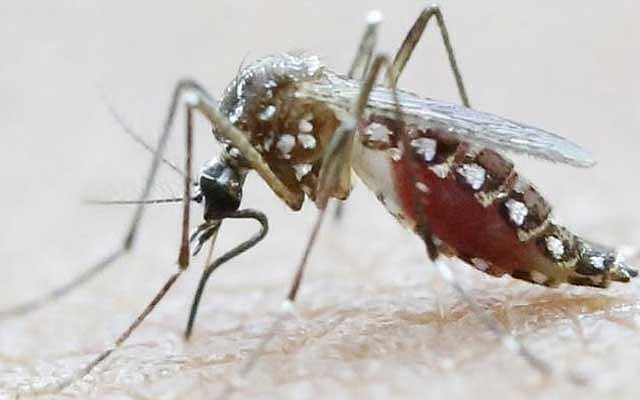
The aedes egypti mosquito that carries the dengue virus stays mostly in homes, but does not rest on walls. It rests under tables, beds, sofas, curtains, hanging clothes and dark places.
This mosquito can breed even in 2ml stagnant water.
WHO suggests “source detection” to control mosquito.
Senior Entomologist of WHO SEARO B N Nagpal urged people to clean their houses once a week for one hour as a preventive measure.













