


Published : 05 Apr 2022, 10:32 PM
Updated : 21 Oct 2022, 03:40 PM


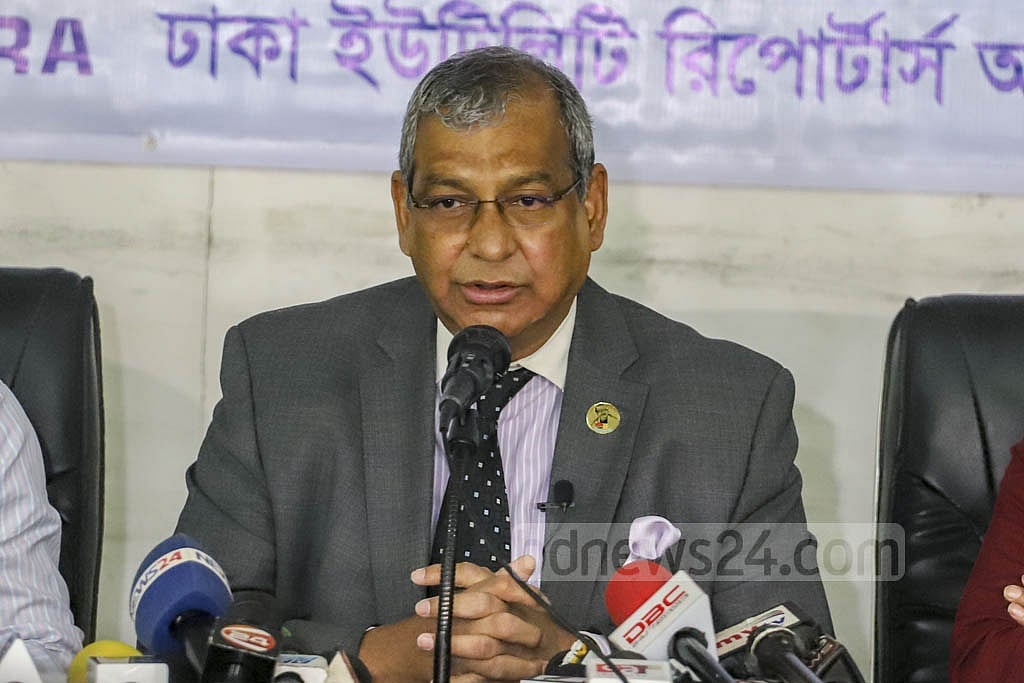
Taqsem A Khan also said the water even at his home has bad odour.
After a 2019 study found about 91 percent of households in Dhaka burn Tk 3.32 billion of gas annually to boil water before drinking, Taqsem had said Dhaka WASA’s water was “100 percent drinkable pursuant to the World Health Organization standards”.
As his comments drew huge criticism, protesters brought water supplied by WASA and demanded that Taqsem drink it. The WASA MD, however, refused to oblige and blame unclean water tanks for the filth.
A month later, he signed a report that said the Dhaka Water Supply and Sewerage Authority or WASA supplies dirty water to 59 areas in the capital.
Speaking at a discussion on WASA’s capability on Tuesday, he said, “In 5 to 10 percent of places, our pipes get cracked occasionally. Whenever we receive a complaint, we immediately fix it. Still, the problem remains in some places. The water in my own house in Naya Paltan smells bad.”
Asked whether WASA was responsible for the recent diarrhoea outbreak in the capital, Taqsem said the International Centre for Diarrhoeal Disease Research, Bangladesh, or icddr,b, has given WASA a list of nine places where diarrhoea is more prevalent.
Lab tests found no bacteria in the water supplied by WASA to these areas, he said. “However, as a precaution, we've increased chlorine [one of the chemicals used to purify water] in those places.”
The total demand for water in Dhaka ranges from 2.10 billion litres to 2.50 billion litres daily while WASA has a production capacity of 2.70 billion litres, according to him. “So there will be no water crisis during Ramadan.”
Promising safe water for all, Taqsem said, "Sustainable development is not possible by denying anyone access to safe drinking water. So we've ensured water for all slum dwellers."
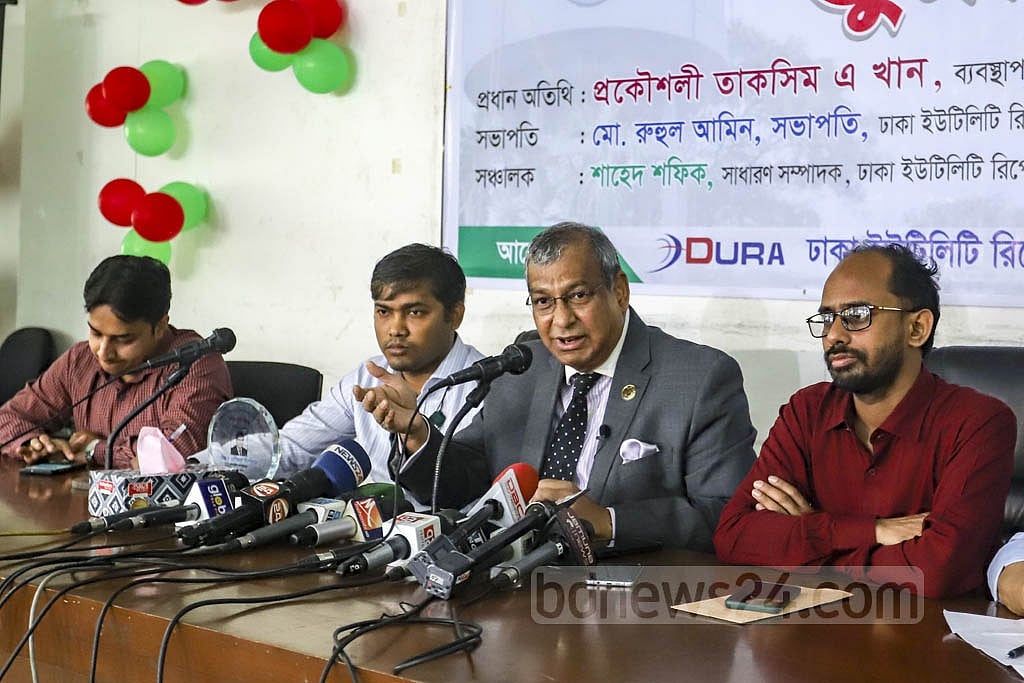
Dhaka Utility Reporters' Association organised the discussion at the National Press Club.













