


Published : 06 Nov 2021, 01:54 PM
Updated : 14 Oct 2022, 07:01 PM


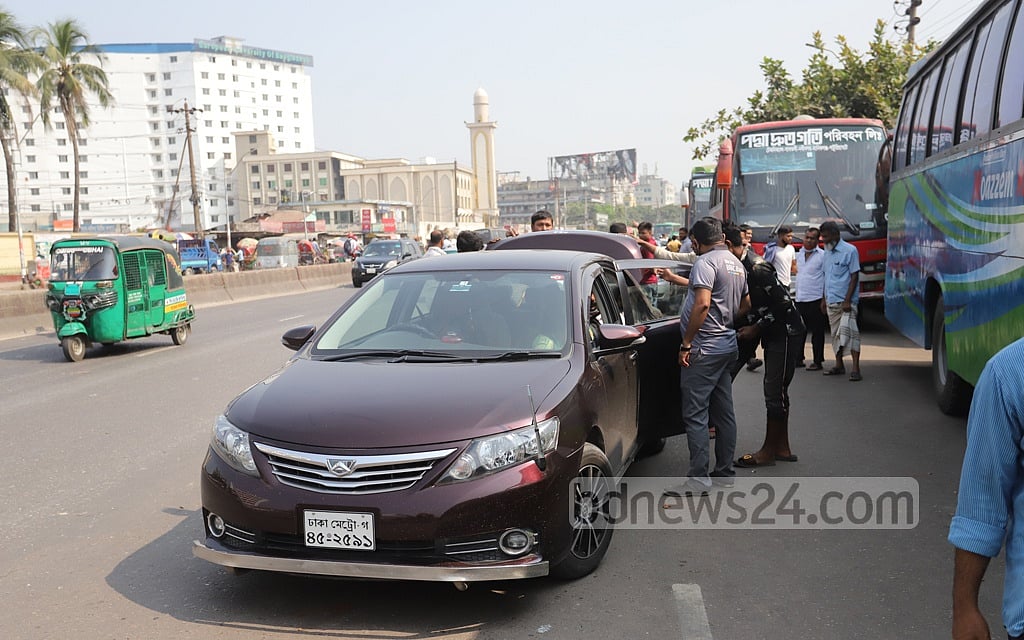
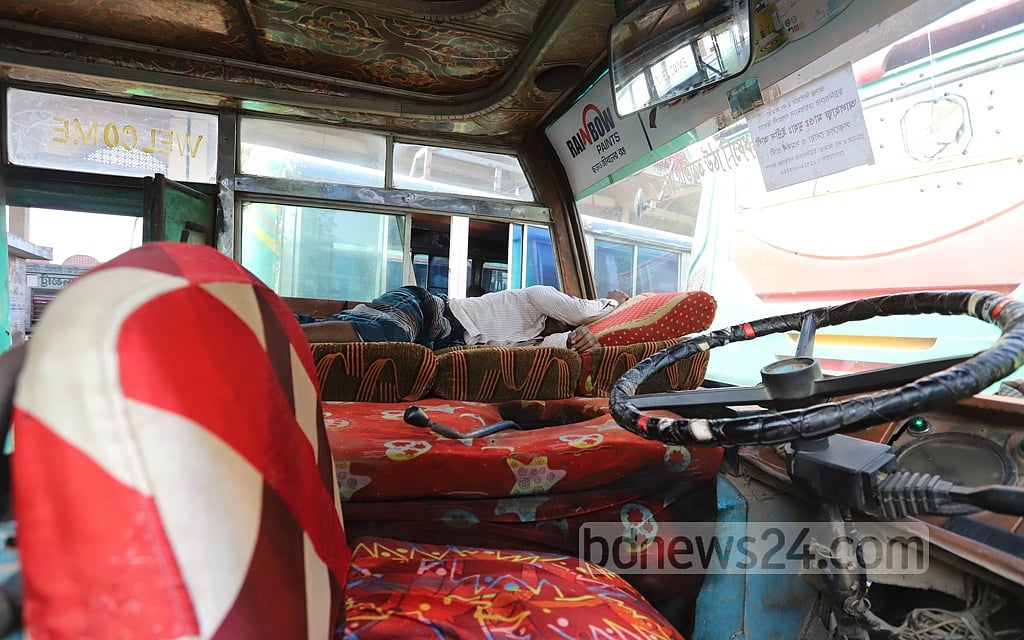
Many have been left wondering why CNG-powered buses are not operating during a strike over the rise in the price of diesel as they dig deep into their pockets to make their way around the city.
Though government offices are closed on Saturday, many people employed in the private sector still have work. Many of them were compelled to walk long distances or pay extra for motorcycles, autorickshaws and rickshaws to get them to their destinations.
The transport strike is also taking a heavy toll on students sitting for exams. Those taking the admission tests to the science units of Dhaka University’s seven affiliate colleges had to rush to their examination centre by 10 am, despite the strike, to further their education.
Tajul Islam has brought his daughter from Mohammadpur to Government Titumir College for the admission exam. Even on a government holiday, the two left home at 7:30 am to make sure they made it on time.
“We left very early so we could find proper transport,” he said. “But the autorickshaws were charging Tk 350. And many of the drivers didn’t want to go. When people suffer these autorickshaw drivers just sit around and make fun of them. We couldn’t hire a motorcycle either.”
Abdur Rahman, who works at a private company in Mohakhali, tried to take an autorickshaw or motorcycle from Mohammadpur’s Shia Mosque area to his office at 8:30 am, but was forced to walk due to the high fares.
“Alif Paribahan buses run from here,” he said. “I take them every day. Even though it’s a CNG bus, it isn’t running. Why are they doing this? The price of gas has not increased. They’re just holding us hostage with a strike. The government isn’t taking any action."
"There are few motorcycles on the road. I’m not finding anyone on the app. Those who agree to go are charging exorbitant fares. Will the government pay for this extra expense? Will the office?”
The government increased the prices of diesel and kerosene by Tk 15 to Tk 80 per litre on Wednesday, citing a volatile global oil market. Transport owners and workers called the indefinite nationwide strike in response, demanding either a rise in fares or a reversal of the 23 percent hike.
Many, including workers and exam candidates, faced similar travel difficulties on Friday due to the strike.
The Bangladesh Road Transport Authority or BRTA said it will hold a meeting on Sunday to make a decision on the issue.
The government-run BRTC was still operating a few buses on Saturday. Each of them was absolutely packed, with people fighting to get on board.
A woman waiting at the Gulistan intersection told her husband on the phone that she had to pay extra to take an autorickshaw and that she would return to Narayanganj if she got a BRTC bus. But she was afraid that she wouldn’t be able to get aboard because of the huge crowds.
Mahmudur Rahman, who was waiting in front of the Japan-Bangladesh Garden City near the Shia Mosque in Mohammadpur, said he usually takes an Alif Paribahan bus.
“I take the bus to Gulshan-1 every day. With rickshaw fare, my commute costs about Tk 50 – 60 a day. But there are no buses today and the autorickshaws are demanding Tk 400. The motorcycles don’t want to take a trip for under Tk 250. I got a rider on the app, but when they got here, they said I had to pay more than the app charge," he said.
"Eventually I was forced to call an Uber. But even they want Tk 350. But what choice do I have? If I’m late to the office, they’ll cut my salary. No one thinks about these things. They hike the price of fuel out of nowhere and decide to suspend gas-fuelled transport as well. Why? There’s no answer. What have we done to deserve these upcharges for our commute?”
In Mohammadpur, Elephant Road, Paltan, Gulistan and several other areas, BRTA buses were the only mass transport on the road. There were more rickshaws, autorickshaws and cars on the street as well.
‘Antor’ came from Narayanganj to sit for the seven affiliate college entrance exams. He was assigned to the examination centre at Eden Mohila College.
“My train arrived at Kamalapur this morning. There was no trouble. Now I’m heading back home. But I don’t know if it’ll be as easy to get back. Who knows how much I’ll have to pay?"
TRAIN SERVICES UNDER STRAIN
The strike also put train services under the pump, prompting the railway authorities to attach 22 additional coaches to accommodate scores of embattled travellers at Kamalapur Railway Station.
However, most of the citizens looking to make long-distance trips on trains failed to get a hold of tickets on Saturday as they were sold in advance. This, combined with the ban on selling tickets to standing passengers due to the pandemic, compounded the woes of passengers.
On Saturday, 12 workers from the Maowa docks arrived at the station at 8 am seeking a trip back to their hometown of Kurigram. But they failed to collect tickets even after trying for four hours.
“We worked at the Maowa docks for the last 22 days. The strike has suspended the work. We now want to go home but couldn’t manage any tickets since the morning. How are we supposed to go home?,” Md Asadul, one of the workers, said.
Fellow dock worker Monjur Mia said, “We have no work now. Are we going to sit here all day on empty stomachs?”
Saiful Islam, a carpenter from Mirpur, was also trying to get a ticket back to his hometown in Jamalpur since 7 am.
“They keep telling us there are no tickets. I’ll try to catch the local train in the afternoon. I’ll sit here for as long as I need. I must go home.”
Toy trader Sirajul Islam got stranded in Dhaka after arriving on Thursday to grab products for his store in Naogaon.
“I’m not going to make any money sitting in Dhaka. Forget about making profit, I won’t even be able to cover the losses with the products I bought if I stay here for two more days. So I am looking for a train ride back home but there are no tickets. I’m waiting to find a way.”
Kamalapur Railway Station Manager Masud Sarwar said, “It is only natural that the strike will cause pressure to mount on trains. The number of passengers doubled. But we are not allowing anyone on without tickets.”
On whether tickets for standing passengers are being considered to reduce the pressure, he said, “We are letting passengers board in full compliance with the health rules. We’ve received no instruction to sell tickets for standing passengers.”
“We’ve added 22 coaches in different trains, and will attach more if needed.”













