


Published : 22 Jun 2020, 06:17 PM
Updated : 17 Oct 2022, 11:09 AM


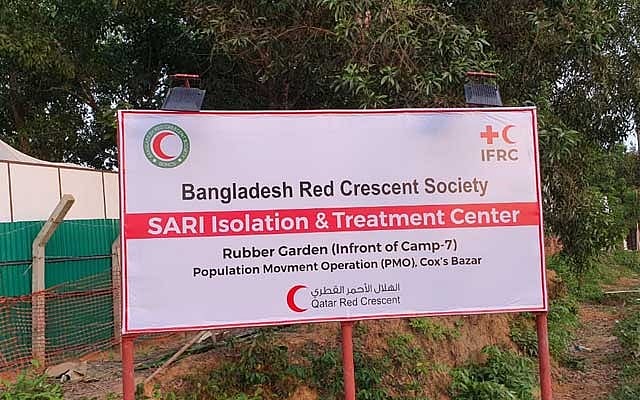
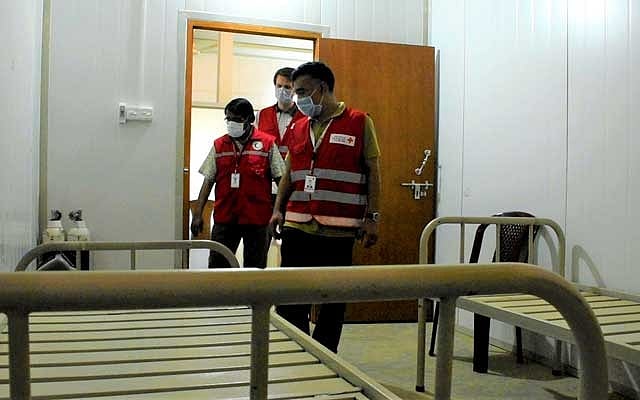
The isolation and treatment centres will help address a growing gap in critical medical care needed to prevent the spread of COVID-19 and mass deaths in the world’s biggest camps for the displaced Rohingya people from Myanmar's Rakhine state, IFRC said in a statement.
More than 1,500 cases of COVID-19 were reported in the Cox’s Bazar region, including 37 confirmed cases and three deaths in the crowded refugee camps.
The situation is putting immense pressure on existing government hospitals and health facilities established by international relief agencies, the IFRC noted.
The true extent of the outbreak may not be fully apparent yet due to limited testing and health facilities available in the camps, said Syed Ali Nasim Khaliluzzaman, head of Bangladesh Red Crescent Society's population movement operation in Cox’s Bazar.
“Extremely overcrowded living conditions, the existence of chronic diseases, lack of basic sanitation and hygiene facilities and limited access to healthcare make the displaced communities in Cox’s Bazar extremely vulnerable to the virus,” he said.
There are an estimated 1.24 million people in the Cox’s Bazar area, including more than 900,000 people living in the camps, stretching the existing healthcare system to the limit even before the COVID-19 outbreak.
As part of a coordinated humanitarian effort, Red Cross Red Crescent has already established 12 healthcare facilities in the camp and meeting the health needs remains a huge challenge for all aid organisations in Cox’s Bazar.
“The two new field hospitals are a step to closing the gap in crucial medical care, but it is important to remember that COVID-19 is not the only health emergency for the people living in these camps,” said Sanjeev Kumar Kafley, Head of IFRC’s sub-office in Cox’s Bazar.
“Whilst the virus is emerging as a massive threat to people living in the camps, there remain high levels of deadly diarrhoea, acute respiratory infections and clusters of measles, all placing ongoing demands on the healthcare system in and around the camps."
He called for a unified effort between national agencies, humanitarian organisations and the international community to alleviate their plight.













