


Published : 02 Feb 2020, 06:30 AM
Updated : 17 Oct 2022, 11:01 AM


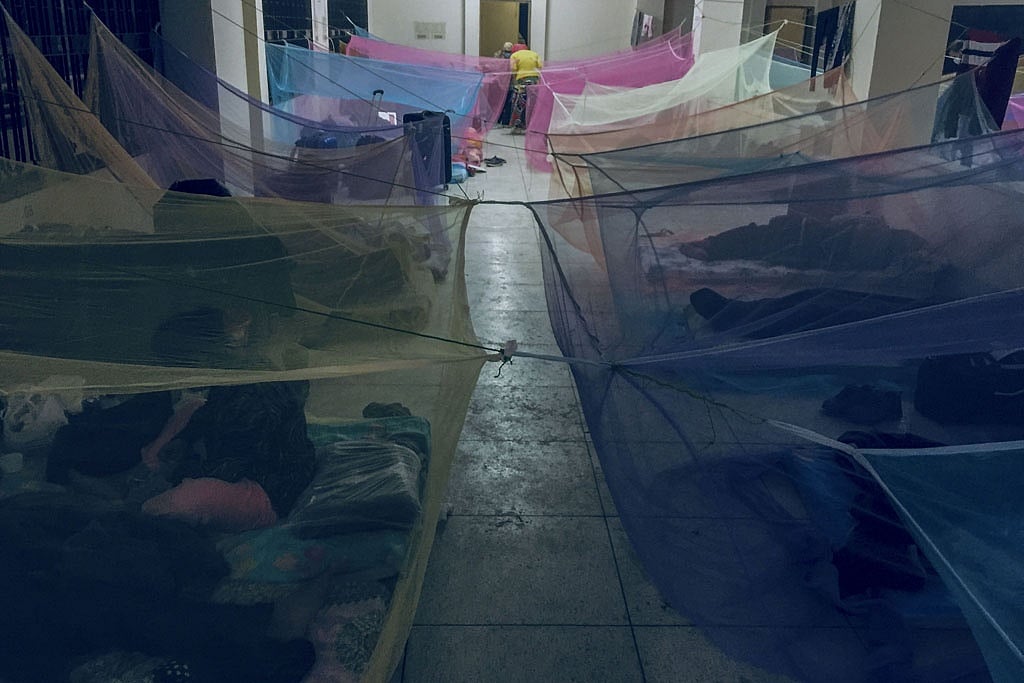
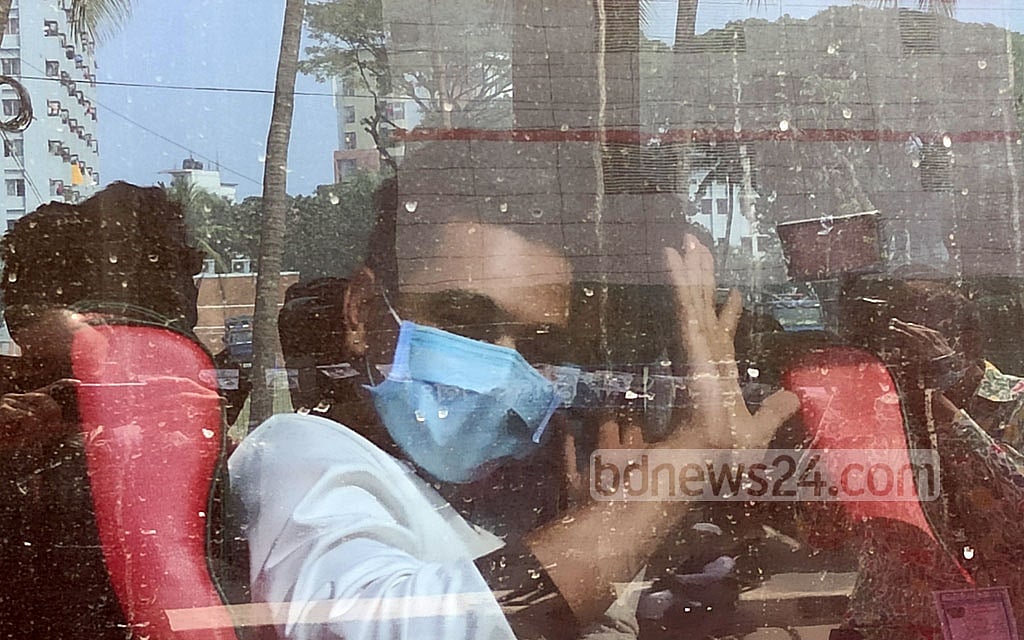
They are spending the nights on mattresses on the floors of the Ashkona Hajj Camp - a facility used to keep pilgrims before departure but now to quarantine the returnees from Wuhan – near Shahjalal International Airport amid cold.
Eight of the 312 returnees were sent to hospitals as they had flu symptoms similar to those of coronavirus, and the rest now fear that, with limited washroom facilities at the camp, anyone carrying the new virus in an incubated state can spread it.
“Many of us are using only one toilet. It has only one bucket. But it is necessary to keep clean to prevent the disease,” one of the evacuees, Reza Sultanuzzaman, told bdnews24.com via a mobile phone app.
Reza, an assistant professor at Nanchang University, said the Bangladeshi authorities were not even following rules of quarantine, which he said means “total isolation”.
The mosquito menace has made the situation worse, adding fears of dengue fever, he said.
“It seems we are facing more danger here than we we did there. They [authorities] said the condition will improve gradually. But it’s not something to improve day by day. They should have arranged everything before we arrived,” he said.
A researcher of another university at Wuhan, requesting anonymity, said they were feeling helpless after being put in the camp.
“No one has provided us with a mask. Men, women, children, all have been kept at the same place. Everyone had been advised to drink at least two litre s of water a day, but we got only two half-litre bottles per head. There’s no provision for hot water either,” the researcher said.
He also said no one conducted any medical test on them at the camp until 7pm though they had been told that they would frequently undergo the tests.
“A doctor now tells me they won’t conduct medical check-up unless someone shows the symptoms. They should not keep us here if they don‘t conduct the tests,” he added.
“He has been kept along with seven others in a room. My son will get infected if someone else carries the virus. I am worried,” he said.
Sharifuzzaman, the father of another returnee, Sadman Sharif, is happy that his son has returned.
“The condition at his university there was not bad. But it can’t be said how the situation would develop. So I had asked him to come. Now I have no worries,” he said.
Mushtuq Husain, who has recently retired as the chief scientific officer at the Institute of Epidemiology, Disease Control and Research, said generally not so many people are kept together in quarantine.
“But we had to do it because we don’t have any structured quarantine facility,” said Mushtuq, whom the government’s diseases arm IEDCR is consulting to deal with the evacuation and isolation of the Bangladeshis.
“There will be no problem because anyone else cannot get in from outside. And if someone shows the symptoms, he or she will be in total isolation,” he added.
Abul Kalam Azad, the director general of health services, said they had tried their best to make it a “true quarantine”.
A joint medical team of the directorate and the Combined Military Hospital had been assigned to work at Ashkona round the clock, he said.
He also said not all the evacuees would have to remain at the camp for 14 days – the incubation period of the new virus.
“We will assess them. If we see there’s no cause for concern, they will be released earlier than schedule,” he said.













